
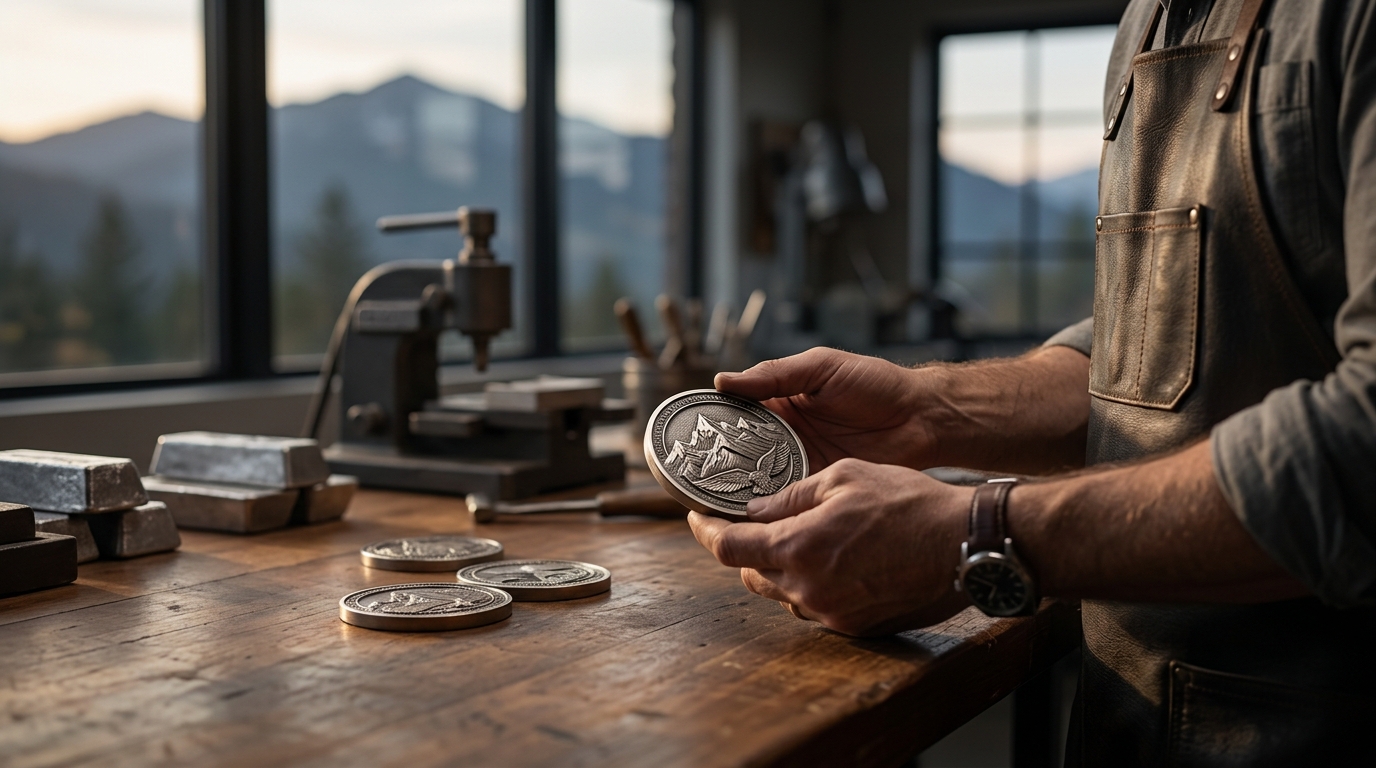
Custom medallions serve as powerful symbols of achievement, commemoration, and brand identity. According to industry data on the precision casting market, the demand for high-fidelity metal replicas has grown significantly, with the global metal casting industry valued at over $100 billion in recent years. This growth underscores the importance of selecting a manufacturer that prioritizes precision and durability. Finding the right partner ensures your design translates accurately from concept to physical object. This guide explores the manufacturing landscape, material options, and the specific advantages of working with established American foundries.
Understanding Medallion Manufacturing
Custom medallion production relies heavily on precision casting techniques. Lost-wax casting is the industry standard for creating intricate metal designs. This process involves creating a wax model of your design, encasing it in a ceramic shell, and melting the wax away to create a mold. Molten metal is then poured into the cavity to form the final piece.
This method allows for exceptional detail retention, capturing fine lines and textures that other methods might miss. The result is a durable, high-quality metal object that maintains its integrity over time. Manufacturers like Mountain Medallion specialize in this exact process, ensuring that every coin, buckle, or lapel pin meets strict quality standards.
The manufacturing journey begins with a digital or physical prototype. This initial stage is critical for verifying proportions and design clarity. Once the prototype is approved, the foundry creates the ceramic molds. The number of molds required depends on the production volume. Small batches may use fewer molds, while large-scale orders require a more robust mold matrix to ensure consistency across all units.
Material Selection Guide
Choosing the right metal is fundamental to the medallion's aesthetic and functional properties. The material affects weight, color, durability, and cost. Below is a comparison of common metals used in custom casting.
| Material | Characteristics | Best Use Case | Cost Tier |
|---|---|---|---|
| Bronze | Classic look, durable, develops patina | Commemorative coins, outdoor awards | Low to Medium |
| Brass | Gold-like appearance, corrosion resistant | Lapel pins, fashion buckles | Medium |
| Nickel Silver | Silver appearance, hard, durable | High-wear items, military awards | Medium |
| Zinc Alloy | Easy to cast, lower cost | Large volume promotional items | Low |
Each material offers distinct advantages. Bronze is often preferred for its historical association with medals and awards. It provides a rich, warm tone that ages gracefully. Brass offers a bright, gold-like finish that is cost-effective for large orders. Nickel silver, despite its name, contains no actual silver but provides a durable, silver-colored alternative. Understanding these differences helps you align your material choice with your budget and aesthetic goals.
The Design Process
Translating a concept into a castable design requires specialized expertise. Relief design is the technique used to create depth and dimension in medallions. The design must account for the flow of metal during casting to avoid defects. Deep recesses may require additional engineering to ensure they fill completely.
Working with a professional design team is crucial. They can advise on font legibility, line thickness, and overall composition. For example, design services provided by experienced foundries often include 3D modeling to visualize the final product before production begins. This step reduces the risk of costly errors and ensures the final piece matches your vision.
The design phase also involves selecting the appropriate finish. Options include polished, antiqued, or enamel-filled surfaces. Each finish requires specific post-casting treatments. Polished finishes highlight the metal's natural luster. Antiqued finishes add depth by darkening the recessed areas. Enamel fills provide vibrant color and protection for the underlying metal.
Why American-Made Matters
Choosing a domestic manufacturer offers significant advantages in quality control and communication. American foundries often adhere to stricter environmental and labor standards. This commitment to ethical manufacturing ensures that your product is produced responsibly. Additionally, domestic production reduces lead times associated with international shipping and customs delays.
Companies like Mountain Medallion have been producing custom American-made castings since 1999. This longevity demonstrates a sustained commitment to craftsmanship and customer satisfaction. Working with a domestic partner allows for direct communication with the production team. You can address questions or modifications quickly, ensuring the project stays on track.
Furthermore, American manufacturing supports local economies and skilled trades. The precision casting industry requires highly trained technicians who understand the nuances of metal behavior. By choosing a domestic foundry, you support a network of experts dedicated to maintaining high standards of excellence. This support helps preserve the knowledge and skills necessary for producing high-quality custom metalwork.

Comparing Manufacturing Options
When searching for a manufacturer, you will encounter various options, from online print-on-demand services to specialized foundries. It is essential to distinguish between mass-produced items and true custom casting.
Mass-produced medallions often use stamping or die-struck methods. These techniques are cost-effective for very large volumes but lack the depth and detail of casting. Stamped items have uniform thickness and limited design complexity. In contrast, cast medallions offer superior detail and a more substantial feel. They are ideal for high-value awards and commemorative pieces.
Specialized foundries offer a higher degree of customization. They can accommodate unique shapes, intricate details, and specific material requirements. This flexibility comes at a higher initial cost but provides a superior final product. For businesses and organizations seeking to make a lasting impression, the investment in custom casting is justified by the quality and durability of the result.
Key Takeaways
- Precision Casting: Lost-wax casting is the preferred method for high-detail custom medallions.
- Material Choice: Bronze, brass, and nickel silver offer distinct aesthetic and functional benefits.
- Design Expertise: Professional design services ensure castability and visual impact.
- Domestic Production: American-made castings offer better quality control and faster turnaround.
- Longevity: Established foundries like Mountain Medallion have decades of experience since 1999.
- Customization: True custom casting allows for unique shapes and intricate details.
- Communication: Direct access to production teams facilitates smoother project management.
Frequently Asked Questions
What is the minimum order quantity for custom medallions?
Minimum order quantities vary by manufacturer. Some foundries accommodate small batches for prototypes or special awards, while others require larger volumes to justify setup costs. It is best to inquire directly with the foundry about their specific requirements.
How long does the custom medallion production process take?
Production time depends on the complexity of the design and the order volume. Typically, the process from design approval to delivery can take several weeks. Domestic manufacturers often offer faster turnaround times compared to international options.
Can I get a sample before placing a large order?
Yes, many manufacturers offer prototype samples. This allows you to verify the design, material, and finish before committing to a full production run. Prototypes may incur additional costs but are invaluable for ensuring satisfaction.
What files are needed to start the design process?
Manufacturers typically accept vector files, high-resolution images, or physical sketches. If you have a rough concept, the design team can often help refine it into a castable format. Providing detailed specifications helps streamline the process.
How do I care for custom metal medallions?
Care depends on the material. Bronze may develop a patina over time, which some find desirable. Brass and nickel silver can be polished to maintain their shine. Avoid harsh chemicals and store medallions in a dry environment to prevent corrosion.
Are custom medallions durable for everyday wear?
Yes, metal medallions are highly durable. Materials like nickel silver and brass are resistant to wear and tear. However, excessive impact or abrasion can cause damage. Proper handling and storage will extend the life of your medallion.
What is the difference between a medallion and a coin?
While both are round metal objects, medallions are typically thicker and feature more intricate designs. Coins are often standardized in size and weight for currency purposes. Medallions are produced for commemorative or decorative purposes, allowing for greater creative freedom.
Start Your Project
Creating a custom medallion is a rewarding process that results in a lasting tribute to your achievement or brand. By understanding the manufacturing process, material options, and the value of working with experienced domestic foundries, you can ensure a successful outcome. If you are ready to bring your design to life, contact a specialized manufacturer today. Visit Mountain Medallion to get a quote on your next custom project and experience the difference of quality American-made craftsmanship.