
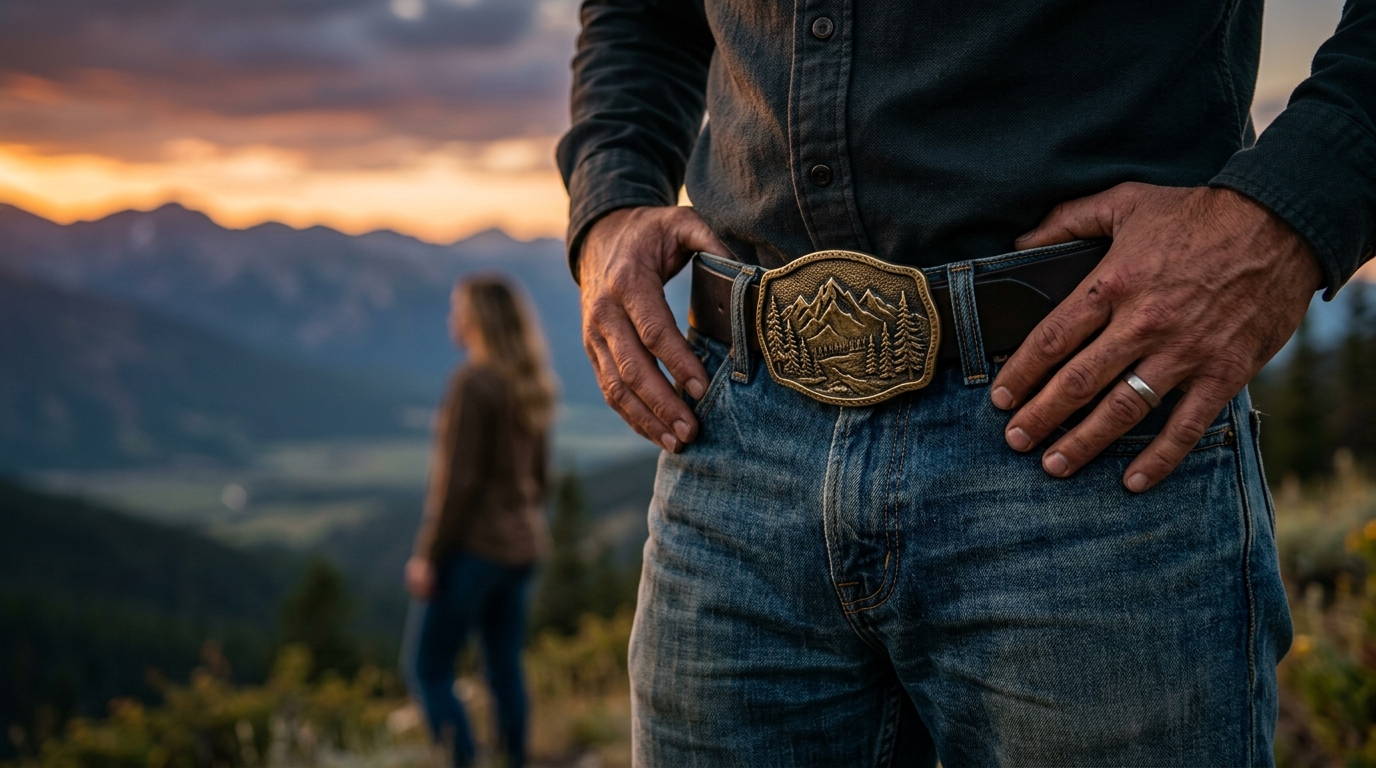
Custom metalwork has evolved from a niche craft into a multi-billion dollar industry segment. According to recent manufacturing data, the demand for personalized metal goods has grown by over 15% annually since 2020. This surge reflects a broader consumer shift toward unique, branded merchandise and high-quality accessories. Businesses and individuals alike are seeking reliable partners who can translate complex designs into durable physical products. Understanding the landscape of custom casting is essential for securing quality results.
Understanding Custom Metal Casting
Custom belt buckles are rarely mass-produced using standard stamping methods. Instead, they utilize precision casting techniques to achieve intricate details. Die casting is a manufacturing process where molten metal is forced under high pressure into a mold cavity. This method allows for consistent replication of complex designs across large production runs. It is particularly effective for materials like zinc and brass, which offer excellent fluidity when molten.
Another common method is sand casting, which is often used for larger, heavier buckles or smaller batch runs. This process involves creating a mold from compacted sand. While it may not offer the same surface finish as die casting, it provides flexibility for unique shapes. The choice between these methods depends heavily on your volume requirements and design complexity.
For those seeking the highest level of detail, investment casting, also known as lost-wax casting, is the gold standard. Investment casting is a process that uses a wax pattern to create a ceramic shell mold for precise metal replication. This technique captures every minute detail of the original design, making it ideal for artistic or highly branded buckles. However, it is generally more expensive and time-consuming than die casting.
Choosing the Right Metal
The material you choose dictates the weight, durability, and aesthetic of your final product. Each metal offers distinct advantages for belt buckle manufacturing.
Zinc Alloy
Zinc alloy is the most popular choice for custom belt buckles. It is affordable, durable, and easy to cast. Zinc buckles are heavy and substantial, providing a premium feel. They also take plating exceptionally well, allowing for gold, silver, or antique finishes. This makes them a versatile option for corporate gifts and promotional items.
Brass
Brass offers a classic, golden appearance that is highly resistant to corrosion. It is heavier than zinc and provides a distinct acoustic "clink" when struck. Brass buckles are often used in Western wear and high-end fashion. They can be polished to a high shine or left with a natural patina. The material is also malleable, allowing for intricate engraving.
Stainless Steel
For maximum durability and a modern look, stainless steel is the superior choice. It is highly resistant to rust and scratching. Stainless steel buckles are often used in industrial or tactical applications. They are typically heavier and more expensive to cast than zinc or brass. The finish is usually brushed or polished, offering a sleek, professional appearance.
Aluminum
Aluminum is a lightweight alternative for those who want to reduce weight. It is corrosion-resistant and easy to anodize in various colors. However, it is softer than zinc or steel, making it less suitable for high-wear applications. It is often used for large, decorative buckles where weight is a concern.
The Design and Prototyping Workflow
Creating a custom belt buckle requires a structured design process to ensure accuracy and quality. Skipping steps can lead to costly errors and dissatisfied customers.
Conceptualization and Sketching
Begin with a detailed sketch or digital mockup. Consider the dimensions, thickness, and placement of logos or text. Remember that fine details may be lost in the casting process if they are too small. It is crucial to work with a manufacturer who understands design for manufacturability (DFM). They can advise on adjusting your design to optimize for casting.
3D Modeling and Prototyping
Once the sketch is approved, a 3D model is created. This digital model is used to generate a physical prototype. A prototype is a preliminary model of a product used to test concepts and processes before full-scale production. Prototyping allows you to verify the fit, finish, and overall look of the buckle. It is a critical step in avoiding expensive mistakes during mass production.
Mold Creation
After the prototype is approved, a steel mold is created. This mold is the heart of the production process. It must be precisely engineered to ensure that every buckle produced is identical. The quality of the mold directly impacts the longevity of the production run and the consistency of the final product.
How to Select a Manufacturer
Choosing the right partner is as important as the design itself. Look for a manufacturer with a proven track record in custom metalwork.
Domestic vs. International Sourcing
Domestic manufacturers, particularly those in the United States, offer significant advantages. They provide faster turnaround times, easier communication, and strict adherence to quality standards. Domestic manufacturing refers to the production of goods within the country where the business is headquartered. This reduces shipping costs and lead times. It also ensures compliance with labor and environmental regulations.
International sourcing can be cheaper for very large volumes. However, it comes with risks such as longer lead times, communication barriers, and potential quality inconsistencies. For custom, high-value items like belt buckles, the reliability of a domestic partner often outweighs the initial cost savings.
Quality Assurance and Certifications
Ensure your manufacturer has robust quality control processes. Ask about their inspection procedures and certifications. A reputable company will provide detailed reports and samples before starting production. They should also offer guarantees on their workmanship.
Understanding Pricing and Costs
The cost of custom belt buckles is influenced by several factors. Understanding these helps in budgeting accurately.
| Factor | Impact on Cost | Description |
|---|---|---|
| Mold Cost | High Initial | One-time fee for creating the steel mold. Higher for complex designs. |
| Material | Variable | Brass and steel are more expensive than zinc or aluminum. |
| Plating/Finish | Medium | Special finishes like gold plating or antique wash add to the cost. |
| Quantity | Low per Unit | Higher volumes reduce the per-unit cost significantly. |
While the initial mold cost can be significant, it is amortized over the production run. For small orders, the per-unit cost will be higher. For large orders, the cost per buckle drops dramatically. Always request a detailed quote that breaks down these costs.
Key Takeaways
- Material Matters: Zinc alloy offers the best balance of cost and detail, while brass provides a premium, classic look.
- Prototyping is Essential: Never skip the prototype phase. It ensures your design translates correctly to metal.
- Domestic Manufacturing: Working with US-based manufacturers like Mountain Medallion ensures faster turnaround and higher quality control.
- Mold Investment: The mold cost is a one-time fee. It pays for itself as your order volume increases.
- Design for Manufacturability: Work with your manufacturer early to adjust designs for optimal casting results.
- Finish Options: Plating and finishing options can dramatically change the aesthetic and durability of the buckle.
- Long-Term Partnership: Building a relationship with a reliable manufacturer ensures consistency for future projects.
Frequently Asked Questions
How long does it take to produce custom belt buckles?
Production time varies based on complexity and quantity. Typically, mold creation takes 2-3 weeks. Production itself can take another 2-4 weeks. Domestic manufacturers often offer faster turnaround times than international ones.
What is the minimum order quantity (MOQ)?
MOQs vary by manufacturer. Some may require 100 units, while others may accept smaller runs for a higher per-unit cost. It is best to discuss your specific needs with your provider.
Can I get a sample before full production?
Yes, most reputable manufacturers provide a prototype or pre-production sample. This allows you to verify the design, material, and finish before committing to the full order.
How do I maintain my custom belt buckle?
Clean your buckle with a soft cloth and mild soap. Avoid harsh chemicals that can damage the plating. Store it in a dry place to prevent corrosion, especially for brass or zinc alloys.
What file formats are needed for design?
Manufacturers typically accept vector files such as AI, EPS, or PDF. High-resolution PNGs or JPGs may also be accepted for initial quotes, but vector files are preferred for accurate mold creation.
Are custom belt buckles durable?
Yes, when made from quality materials like brass or steel, custom belt buckles are highly durable. They are designed to withstand daily wear and tear. Proper care extends their lifespan significantly.
Can I add enamel colors to my buckle?
Yes, soft or hard enamel fills are popular options for adding color to custom buckles. This requires additional steps in the manufacturing process but offers a vibrant, professional look.
Get Your Custom Quote
Ready to bring your custom belt buckle design to life? Partner with a manufacturer that prioritizes quality and precision. Mountain Medallion specializes in custom American-made castings, offering expert guidance from design to delivery. Their team provides contract sales services tailored to your specific needs. Visit their product gallery for inspiration and examples of their craftsmanship. For immediate assistance, use their customer experience portal to get an instant estimate. Contact them directly at 801.318.3726 to start your project today.