
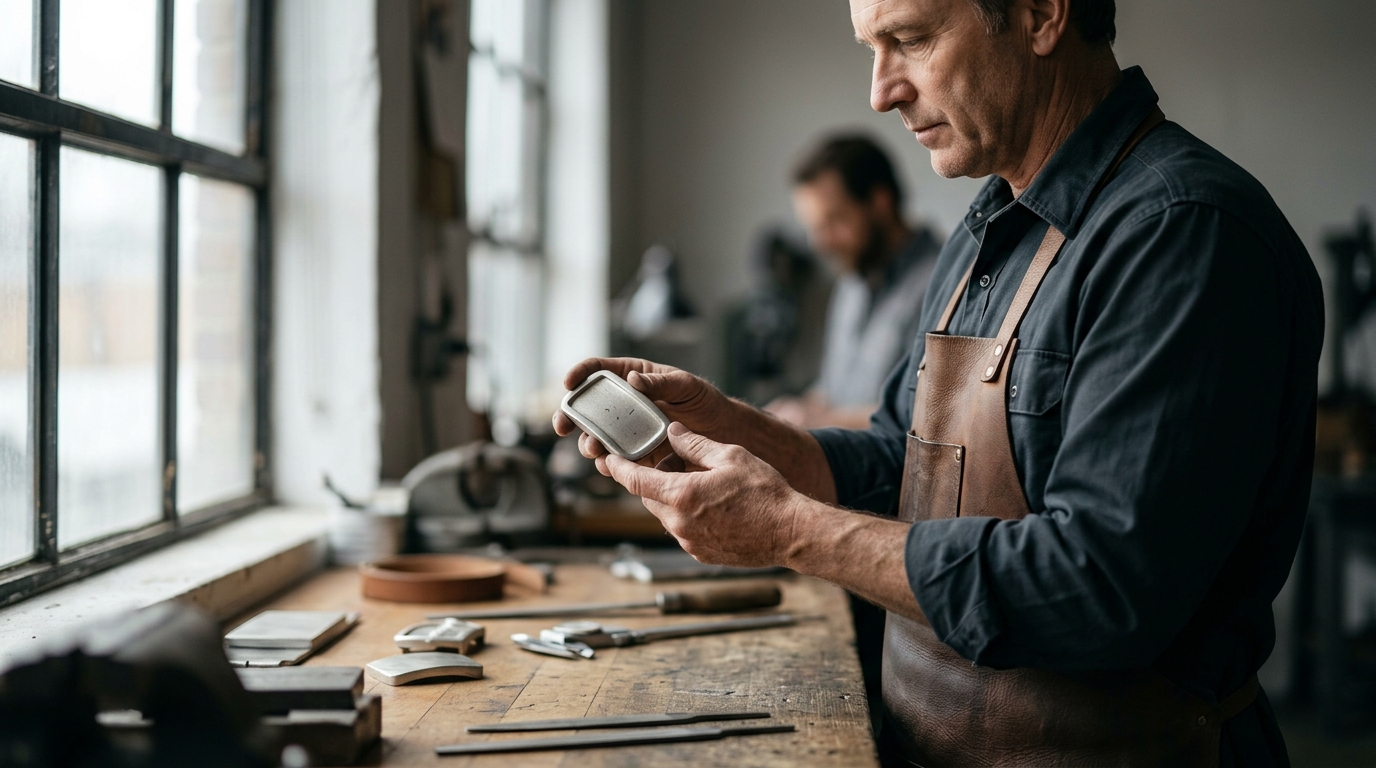
Custom metal casting is a precise art form that demands clear communication and technical foresight. Industry reports indicate that nearly 40% of custom casting projects experience delays due to initial specification errors. These errors often stem from a lack of understanding regarding the limitations of the lost-wax casting process. By understanding these constraints, you can ensure your final product matches your vision without costly rework. This guide outlines the critical errors to avoid when working with Mountain Medallion and other American manufacturers.
The Trap of Low-Resolution Designs
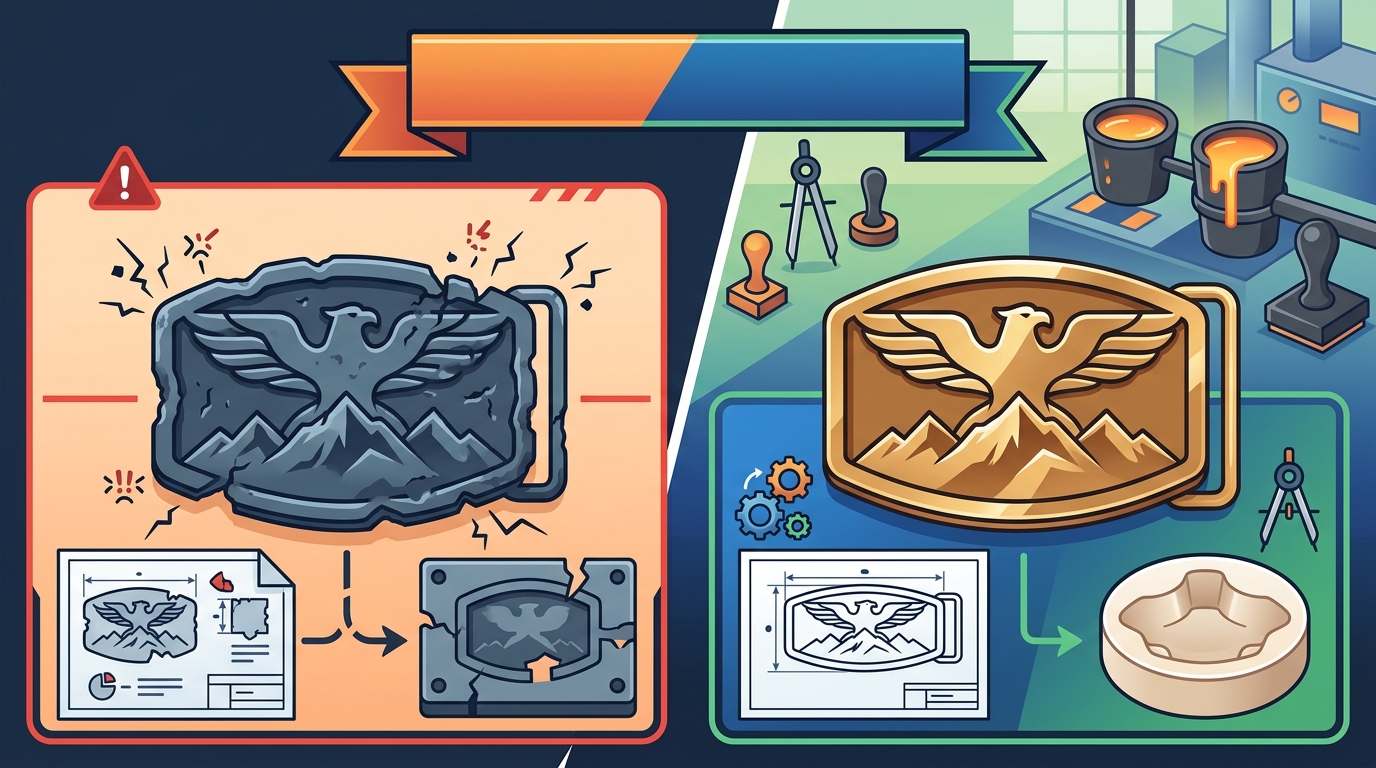
One of the most frequent errors is submitting a design that is too complex or lacks the necessary resolution for metal casting. Technical standards for metal casting require that fine details be thick enough to hold their shape during the cooling process. If your design includes hairline details or extremely thin lines, the molten metal may not fill those areas completely, resulting in a broken or incomplete image.
Custom metal casting is the process of pouring molten metal into a mold to create a specific shape. This method allows for intricate details, but only if the design is optimized for it. To avoid this mistake, work with a design team that understands the technical requirements of casting. Mountain Medallion offers design services to help refine your artwork into a production-ready format. They can thicken lines, adjust spacing, and ensure that all elements are robust enough for the manufacturing process.
Another aspect of design precision is the choice of font and graphic style. Small text can become illegible after casting and polishing. It is crucial to select bold, clear fonts that will remain readable on the final buckle. Additionally, consider the scale of the buckle. A design that looks great on a small medallion may look cluttered on a large belt buckle. Always request a scale mockup to visualize the final proportions.
Ignoring Metal Properties and Durability
Selecting the wrong metal for your intended use is a critical error. Different metals offer varying levels of durability, weight, and cost. Recent studies on material durability show that bronze and brass are preferred for outdoor use due to their resistance to corrosion. However, they require regular maintenance to prevent tarnishing. On the other hand, stainless steel offers superior durability with minimal upkeep, making it ideal for heavy-duty applications.
When choosing a metal, consider the environment in which the buckle will be used. If it will be exposed to moisture, salt, or extreme temperatures, you need a material that can withstand these conditions. Mountain Medallion provides a range of metal options, including bronze, brass, and stainless steel. Each material has unique characteristics that affect the final look and feel of the buckle. For example, bronze develops a natural patina over time, which many collectors find appealing. Brass, however, maintains a bright, gold-like appearance but may require polishing to keep it shiny.
Weight is another important factor. A heavy metal buckle can be uncomfortable for daily wear, while a lightweight one may feel less substantial. Consider the wearer's preference and the style of the belt. A thick leather belt can support a heavier buckle, while a thinner belt may require a lighter material. Always discuss weight expectations with your manufacturer to ensure the final product meets your comfort and aesthetic needs.
Overlooking Finishing and Plating Options
The finishing process significantly impacts the final appearance and longevity of your custom belt buckle. Many customers overlook the importance of choosing the right plating or patina. Industry guidelines for surface engineering recommend specific plating thicknesses to ensure durability. For instance, gold plating should be at least 2.5 microns thick to prevent wear during regular use. Thinner plating may chip or fade quickly, especially on high-friction areas like the buckle tongue.
There are several finishing options available, each offering a different look and feel. Antique finishes add character and depth, highlighting the details of the design. Mirror finishes provide a sleek, modern look but may show scratches more easily. Mountain Medallion's customer experience team can guide you through these options, helping you choose a finish that complements your design and intended use. They can also apply custom patinas to achieve a specific color or texture.
Another common mistake is assuming that all plating is created equal. The quality of the plating process varies significantly between manufacturers. High-quality plating involves multiple steps, including cleaning, activation, and electroplating, to ensure strong adhesion and even coverage. Poor-quality plating may peel or discolor over time. Always ask about the plating process and the materials used to ensure you are getting a durable, long-lasting finish.
Underestimating Tooling and Setup Fees
Tooling costs are a significant part of the custom casting process, yet they are often underestimated. Manufacturing data shows that tooling fees can range from a few hundred to several thousand dollars, depending on the complexity of the design. These fees cover the creation of the master pattern, the mold, and any necessary adjustments. Skipping this step or trying to minimize it can lead to poor quality and higher long-term costs.
Understanding the tooling process is essential for budgeting accurately. The master pattern is the original model used to create the mold. It must be highly detailed and accurate to ensure the final casting is precise. Mountain Medallion's about page highlights their commitment to precision craftsmanship, which includes meticulous attention to the tooling phase. They use advanced techniques to create durable molds that can produce consistent results over multiple production runs.
Another factor to consider is the number of copies you plan to produce. If you are ordering a large quantity, the tooling cost is amortized over more units, making it more cost-effective. For small runs, the tooling cost may seem high relative to the unit price. However, it is a necessary investment to ensure quality. Always request a detailed breakdown of tooling costs to understand what you are paying for and to compare quotes from different manufacturers.
Misjudging Production Timelines
Production timelines for custom castings are often longer than customers expect. Supply chain reports indicate that custom metal casting projects can take anywhere from four to eight weeks, depending on the complexity and quantity. This timeline includes design refinement, tooling, casting, finishing, and quality control. Rushing the process can lead to errors and compromised quality.
To avoid delays, plan your order well in advance. Provide all necessary information and approvals promptly to keep the project on track. Mountain Medallion's contact page offers a direct line for inquiries and estimates, allowing you to get a realistic timeline for your specific project. They can also provide updates on the production status, so you know exactly where your order stands at any given time.
Another common mistake is not accounting for shipping times. Custom buckles are often shipped from the manufacturing facility, which may be located in a different region. International shipping can add significant time to the delivery process. Always factor in shipping time when planning your project timeline. Consider using expedited shipping if you have a tight deadline, but be aware that this will increase the overall cost.
Skipping the Proofing Stage
The proofing stage is a critical step in the custom casting process that should never be skipped. A proof is a physical sample of the final product, allowing you to review the design, material, and finish before full production begins. Quality management studies emphasize the importance of proofing in catching errors early and preventing costly mistakes. Without a proof, you risk receiving a batch of buckles that do not meet your expectations.
When reviewing the proof, check for accuracy in the design, including text, logos, and details. Ensure that the metal and finish match your specifications. If any changes are needed, request them immediately. Mountain Medallion's contract sales team is available to assist with proof reviews and make any necessary adjustments. They ensure that the final product meets your quality standards before production begins.
Another benefit of the proofing stage is the opportunity to test the buckle's fit and function. Try the buckle on a belt to ensure it sits correctly and operates smoothly. Check the tongue and prong for proper alignment and durability. This hands-on review can reveal issues that are not apparent in digital mockups. Always take advantage of this stage to ensure your final product is perfect.
Key Takeaways
- Design Optimization: Ensure your design is thick enough and clear enough for metal casting to avoid broken details.
- Metal Selection: Choose a metal that matches the environmental conditions and durability requirements of the buckle.
- Finishing Quality: Opt for high-quality plating and finishes to ensure longevity and aesthetic appeal.
- Tooling Investment: Understand that tooling costs are a necessary investment for high-quality, consistent production.
- Timeline Planning: Plan for a production timeline of four to eight weeks to accommodate all manufacturing steps.
- Proofing Necessity: Always request and review a physical proof before approving full production.
- Expert Guidance: Work with experienced manufacturers like Mountain Medallion to navigate the complexities of custom casting.
Frequently Asked Questions
What is the minimum order quantity for custom belt buckles?
Minimum order quantities vary by manufacturer, but Mountain Medallion typically accommodates small to medium runs, making it accessible for clubs, organizations, and individuals. It is best to contact them directly for specific MOQ details.
How long does the custom casting process take?
The process generally takes four to eight weeks, including design, tooling, casting, and finishing. Supply chain data confirms that these timelines are standard for high-quality custom metalwork.
Can I choose the metal for my custom buckle?
Yes, you can choose from various metals such as bronze, brass, and stainless steel. Mountain Medallion's product gallery showcases the different metals and their characteristics to help you make an informed decision.
What is the difference between bronze and brass?
Bronze is a copper-tin alloy known for its durability and natural patina, while brass is a copper-zinc alloy that offers a gold-like appearance. Technical standards for metals outline the specific properties and uses of each alloy.
Do you offer design services?
Yes, Mountain Medallion offers design services to help refine your artwork into a production-ready format. Their team ensures your design is optimized for casting.
How do I request a quote?
You can request a quote by using the contact form on Mountain Medallion's contact page or by calling them directly. Provide as much detail as possible about your project for an accurate estimate.
Start Your Custom Project Today
Avoiding these common mistakes ensures a smooth and successful custom belt buckle ordering process. By focusing on precise design, appropriate material selection, and thorough proofing, you can achieve a high-quality product that meets your expectations. Mountain Medallion is ready to help you bring your vision to life with precision craftsmanship. Contact them today to get started on your next custom project.