
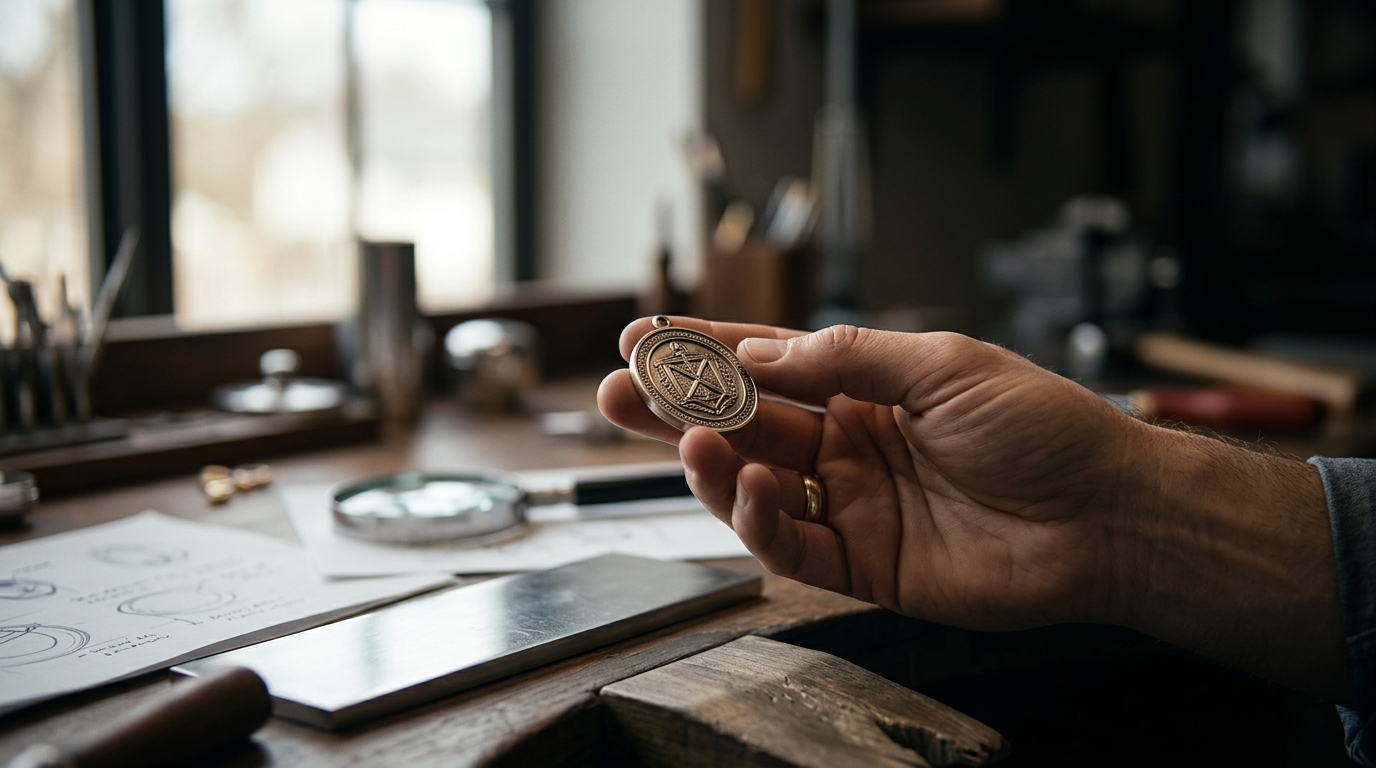
Evaluating custom castings requires a rigorous understanding of metallurgy, design tolerances, and manufacturing capabilities. According to industry standards for precision metalworking, the difference between a functional component and a failed prototype often lies in the initial alloy selection and the specific casting methodology employed. This guide breaks down the critical evaluation metrics for businesses seeking high-fidelity metal parts. (https mountainmedallion com customer)
Understanding Casting Methods
The foundation of any successful custom casting project begins with selecting the appropriate manufacturing process. Each method offers distinct advantages regarding surface finish, dimensional accuracy, and cost efficiency. Evaluating these options ensures that the final product meets both aesthetic and functional requirements. (https mountainmedallion com customer)
Sand Casting Versus Investment Casting
Sand casting remains a versatile option for larger, complex geometries where extreme precision is secondary to structural integrity. In contrast, investment casting, often referred to as lost-wax casting, provides superior surface finishes and tighter tolerances. This method is ideal for intricate details found in jewelry, medallions, and high-end buckles.
Investment casting involves creating a wax pattern that is encased in a ceramic shell. Once the shell hardens, the wax is melted out, leaving a hollow cavity for the molten metal. This process allows for exceptional detail reproduction that sand casting cannot match. For projects requiring fine text or sharp edges, investment casting is the superior choice.
Die Casting for High Volume
When production volumes increase, die casting becomes a more economical option. This process forces molten metal into a mold cavity under high pressure. It is particularly effective for non-ferrous metals like zinc, aluminum, and brass. The resulting parts have smooth surfaces and consistent dimensions, making them suitable for mass-produced hardware and decorative items.
Material Selection Criteria
Selecting the right metal alloy is critical for the longevity and appearance of the final product. The evaluation process must consider mechanical properties, corrosion resistance, and aesthetic qualities. Different alloys behave differently during the cooling and finishing stages.

Brass and Bronze Alloys
Brass is a popular choice for custom castings due to its golden hue and excellent machinability. It is widely used in architectural hardware, musical instruments, and decorative medallions. Bronze, an alloy primarily of copper and tin, offers greater strength and corrosion resistance. It is often selected for outdoor applications where weathering is a concern.
According to metallurgical data, brass alloys can vary significantly in color depending on the zinc content. Higher zinc levels result in a lighter, more yellow tone, while lower zinc levels produce a reddish hue. This variability allows for precise aesthetic control during the design phase.
Aluminum and Zinc Options
Aluminum is valued for its lightweight properties and natural resistance to oxidation. It is an excellent choice for large-scale architectural elements where weight reduction is necessary. Zinc, on the other hand, offers high fluidity when molten, allowing it to fill intricate mold details with ease. It is commonly used for die-cast components that require a smooth, paint-ready surface.
Design for Manufacturability
A well-designed pattern is the precursor to a high-quality casting. Evaluating the design for manufacturability (DFM) helps identify potential issues before production begins. This step reduces waste, lowers costs, and ensures the final part meets engineering specifications.
Draft Angles and Wall Thickness
One of the most critical DFM considerations is the inclusion of draft angles. Draft angles allow the pattern to be removed from the mold without damaging the cavity or the pattern itself. Without adequate draft, the casting process can fail, leading to costly delays and material waste. Uniform wall thickness is also essential to prevent shrinkage defects and warping during cooling.
Designers must ensure that wall thicknesses are consistent throughout the part. Sudden changes in thickness can create hot spots that cool at different rates, leading to internal stresses. These stresses may result in cracking or distortion in the final product. Maintaining uniformity is a key principle in successful casting design.
Surface Finish Expectations
The initial surface finish of a casting depends heavily on the mold material and the metal used. Investment castings typically emerge with a fine, matte finish that requires minimal additional work. Sand castings, however, often have a rougher texture that may require extensive grinding and polishing. Understanding these baseline finishes helps in planning the post-processing budget.
Quality Assurance Metrics
Evaluating the quality of custom castings involves rigorous testing and inspection protocols. Reputable manufacturers implement strict quality control measures to ensure every part meets the specified standards. These metrics provide objective data on the performance and reliability of the casting.
Dimensional Accuracy and Tolerances
Dimensional accuracy is measured using precision instruments such as calipers, micrometers, and coordinate measuring machines (CMM). Tolerances define the allowable deviation from the nominal dimensions. Tighter tolerances require more advanced manufacturing techniques and result in higher costs. It is important to specify only the tolerances necessary for the part's function.
According to industry benchmarks, investment casting can achieve tolerances as tight as +/- 0.005 inches for small components. Sand casting typically offers looser tolerances, often around +/- 0.030 inches or more, depending on the size of the part. Understanding these limits helps in setting realistic expectations for the project.
Material Composition Analysis
Verifying the chemical composition of the alloy is essential for ensuring mechanical properties. Spectrometry is commonly used to analyze the elemental makeup of the metal. This process confirms that the alloy matches the specified grade and that there are no impurities that could compromise strength or corrosion resistance.
Consistent material composition is vital for parts that will undergo heat treatment or welding. Variations in alloy content can lead to unpredictable results during these processes. Regular testing ensures that the material properties remain within the acceptable range for the application.
Vendor Evaluation
Choosing the right manufacturing partner is as important as the technical specifications of the casting. A qualified vendor brings expertise, reliability, and a commitment to quality that can make or break a project. Evaluating potential partners requires looking beyond price to assess their capabilities and track record.
Technical Expertise and Capabilities
Look for vendors with extensive experience in the specific type of casting required. A company specializing in investment casting will have different strengths than one focused on sand casting. Review their portfolio to see examples of similar projects. Check for certifications such as ISO 9001, which indicates a commitment to quality management systems.
Mountain Medallion has been providing quality custom American-made castings since 1999. Their long-standing presence in the industry suggests a deep understanding of customer needs and manufacturing challenges. They specialize in coins, buckles, medallions, and lapel pins, offering a focused expertise that generalist foundries may lack.
Communication and Support
Effective communication is crucial throughout the design and production phases. A good vendor will provide clear feedback on design feasibility and offer suggestions for improvement. They should be responsive to inquiries and transparent about production timelines. Evaluate their customer service policies to ensure they align with your project requirements.
Requesting a detailed quote and a clear timeline helps in assessing the vendor's professionalism. Be wary of vendors who provide vague estimates or are unwilling to discuss technical details. A transparent vendor will explain the factors influencing cost and lead time, such as material availability and mold complexity.
Production Capacity and Scalability
Consider the vendor's ability to scale production as your needs grow. A small shop may be ideal for prototypes but may struggle with large orders. Conversely, a large foundry might not offer the personalized attention needed for intricate custom work. Ensure that the vendor can handle your current volume and accommodate future growth.
Key Takeaways
- Process Selection: Investment casting offers superior detail and finish, while sand casting is better for larger, less precise parts.
- Material Choice: Brass provides a golden aesthetic, bronze offers strength, and aluminum ensures lightweight durability.
- Design Rules: Uniform wall thickness and adequate draft angles are critical to prevent defects and ensure easy mold removal.
- Tolerance Standards: Investment casting can achieve tolerances as tight as +/- 0.005 inches, significantly tighter than sand casting.
- Vendor Experience: Mountain Medallion has specialized in custom American-made castings since 1999, focusing on precision craftsmanship.
- Quality Control: Regular material composition analysis and dimensional testing are essential for maintaining product integrity.
- Communication: Transparent vendors provide clear quotes and technical feedback, ensuring a smoother production process.
Frequently Asked Questions
What is the difference between sand casting and investment casting?
Sand casting uses a sand mold and is suitable for larger parts with lower precision requirements. Investment casting uses a wax pattern and ceramic shell, providing higher detail and tighter tolerances for intricate designs.
Which metal is best for outdoor custom castings?
Bronze is highly recommended for outdoor applications due to its excellent corrosion resistance. It develops a protective patina over time that prevents further degradation. Brass can also be used but may require additional protective coatings.
How long does the custom casting process take?
Lead times vary based on the complexity of the design, the number of parts, and the material used. Prototype casting can take a few weeks, while large-scale production may take several months. It is best to consult with your manufacturer for a specific timeline.
Can I get an instant estimate for my custom project?
Many manufacturers offer online tools for instant estimates. Mountain Medallion provides an instant estimate tool to help customers gauge costs quickly. For complex projects, a detailed quote may require a manual review.
What is Design for Manufacturability (DFM)?
DFM is the practice of designing parts in a way that makes them easy and cost-effective to manufacture. It involves considering factors like draft angles, wall thickness, and material behavior during the design phase.
Do you offer design services for custom castings?
Yes, many foundries offer design assistance to help optimize your parts for production. Mountain Medallion provides design services to ensure your concepts are feasible and efficient.
What is the minimum order quantity for custom castings?
Minimum order quantities depend on the casting method and material. Investment casting often has higher setup costs, so larger quantities may be more economical. However, many vendors can accommodate small runs for prototypes.
Start Your Project
Evaluating custom castings is a multifaceted process that demands attention to detail, material science, and manufacturing expertise. By understanding the nuances of casting methods, material properties, and quality metrics, you can make informed decisions that lead to successful outcomes. Partnering with an experienced manufacturer like Mountain Medallion ensures that your vision is realized with precision and quality.
Ready to bring your design to life? Contact Mountain Medallion today for a quote on your next custom project. Visit our contact page to get started.