
Material and Finish Choices
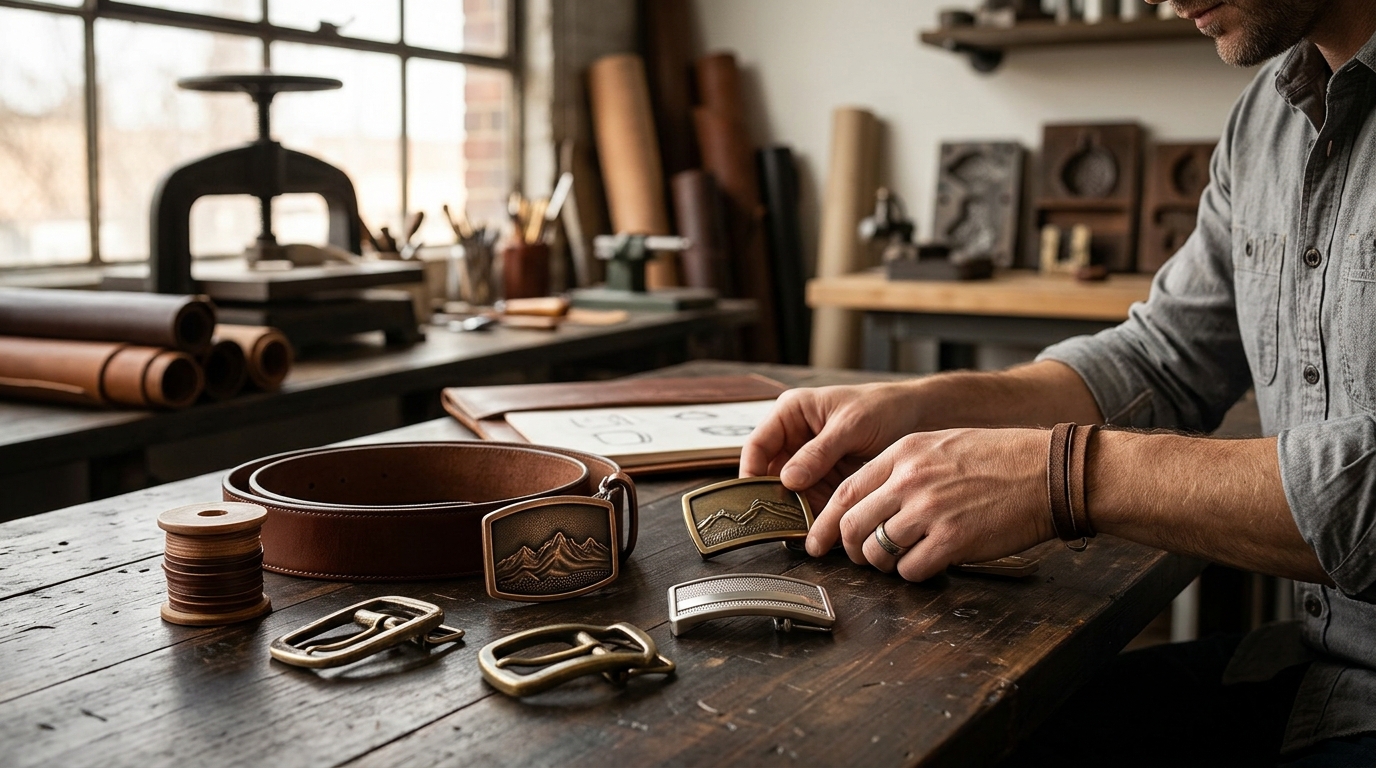
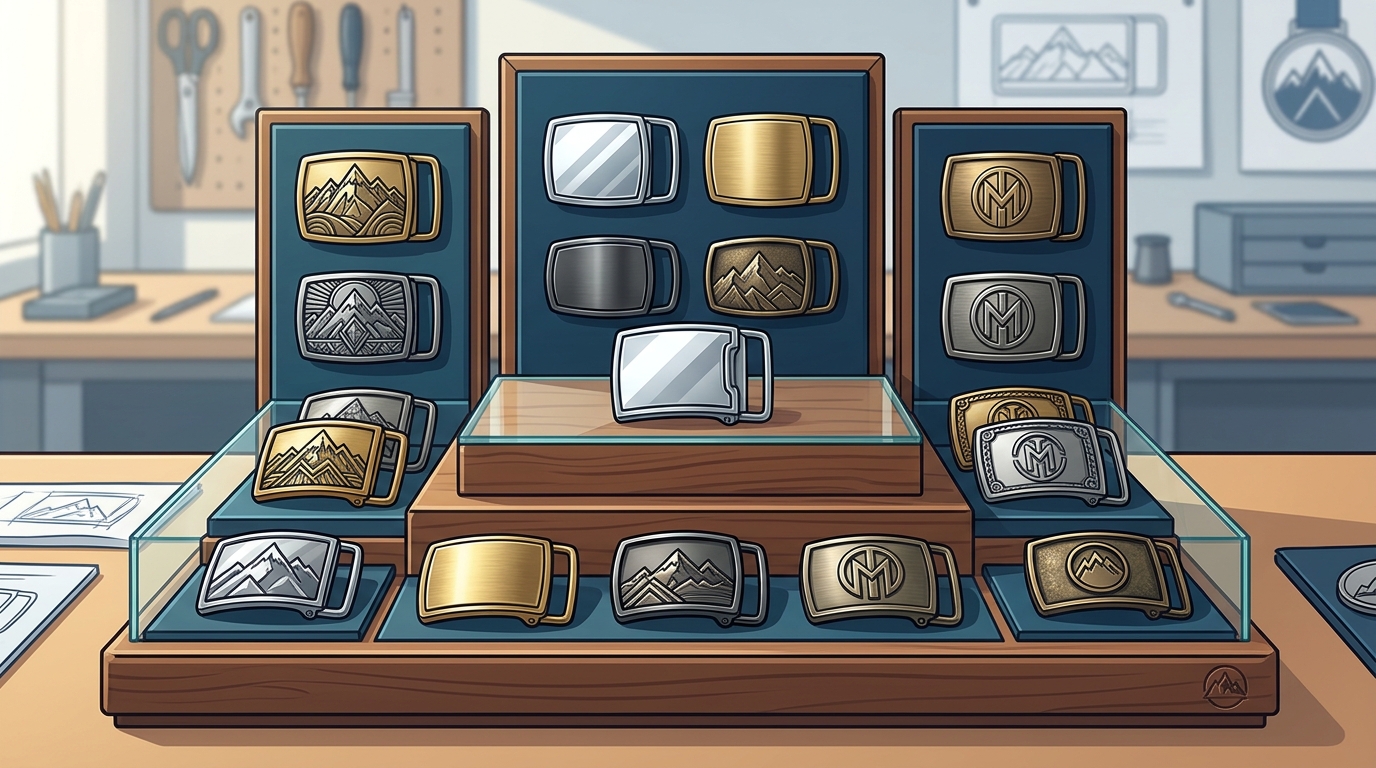
The visual impact of a buckle starts with its base material. Die-cast zinc alloy is a standard choice for custom castings because it holds fine detail well. This material allows for sharp edges and smooth surfaces that look professional. You can also select different metal finishes to change the overall aesthetic.
Color and Enamel Options
Color adds depth and brand recognition to a custom buckle. Hard enamel is a technique where colored glass powder is fused into the metal recesses. This creates a smooth, durable surface that is flush with the metal. It is ideal for logos and detailed graphics that need to last.
Shape and Size Customization
Standard rectangular buckles are common, but custom shapes stand out. You can design a buckle in the shape of a logo, an animal, or a geometric pattern. Custom die-cutting allows for non-standard outlines that fit specific belt widths. This ensures the buckle sits correctly and looks intentional.
Size matters for both aesthetics and function. A larger buckle makes a bold statement, while a smaller one is more subtle. Most custom buckles are designed to fit standard 1.5-inch or 1.75-inch belts. However, you can specify exact dimensions to ensure a perfect fit. The shape and size should align with the intended use, whether for fashion, awards, or corporate gifts.
3D Relief and Detailing
Adding depth to a design creates a premium feel. 3D relief involves raising parts of the design above the base plane. This adds shadow and dimension that flat designs lack. It is particularly effective for emblems, crests, and intricate patterns.
Attachment and Functionality
The way a buckle attaches to a belt is a key design decision. Standard prong buckles are the most common and versatile. They work with most belt types and are easy to use. However, you can also choose slide buckles or frame buckles for a different look.
Frame buckles hold the belt inside a metal frame. This creates a clean, modern appearance. Slide buckles allow the belt to slide through a channel. This is useful for adjustable fits. The attachment style should match the belt type and the user's preference. Functionality and aesthetics go hand in hand in a well-designed buckle.
Key Takeaways
- Choose between hard and soft enamel for different textures and durability.
- Select metal finishes like chrome, brass, or black to set the tone.
- Custom shapes allow for unique outlines that match logos or themes.
- 3D relief adds depth and dimension for a premium look.
- Consider the attachment style to ensure compatibility with your belt.
- Size and proportions affect both visibility and comfort.
- Combine materials and finishes to create a cohesive design.
Frequently Asked Questions
What is the best material for a custom belt buckle?
Die-cast zinc alloy is a popular choice for custom buckles. It holds fine detail well and is durable. The material can be finished in various ways to suit your design.
Can I use a full-color logo on a buckle?
What sizes are available for custom buckles?
Custom buckles can be made in various sizes. Most are designed to fit standard 1.5-inch or 1.75-inch belts. You can specify exact dimensions for a custom fit.
How long does it take to make a custom buckle?
Production time varies based on complexity and quantity. Simple designs may take less time, while intricate 3D designs take longer. Always check with the manufacturer for specific timelines.
Can I change the shape of the buckle?
Yes, custom die-cutting allows for non-standard shapes. You can design a buckle in the shape of a logo, animal, or any other form. This ensures a unique look. Learn more: contact.