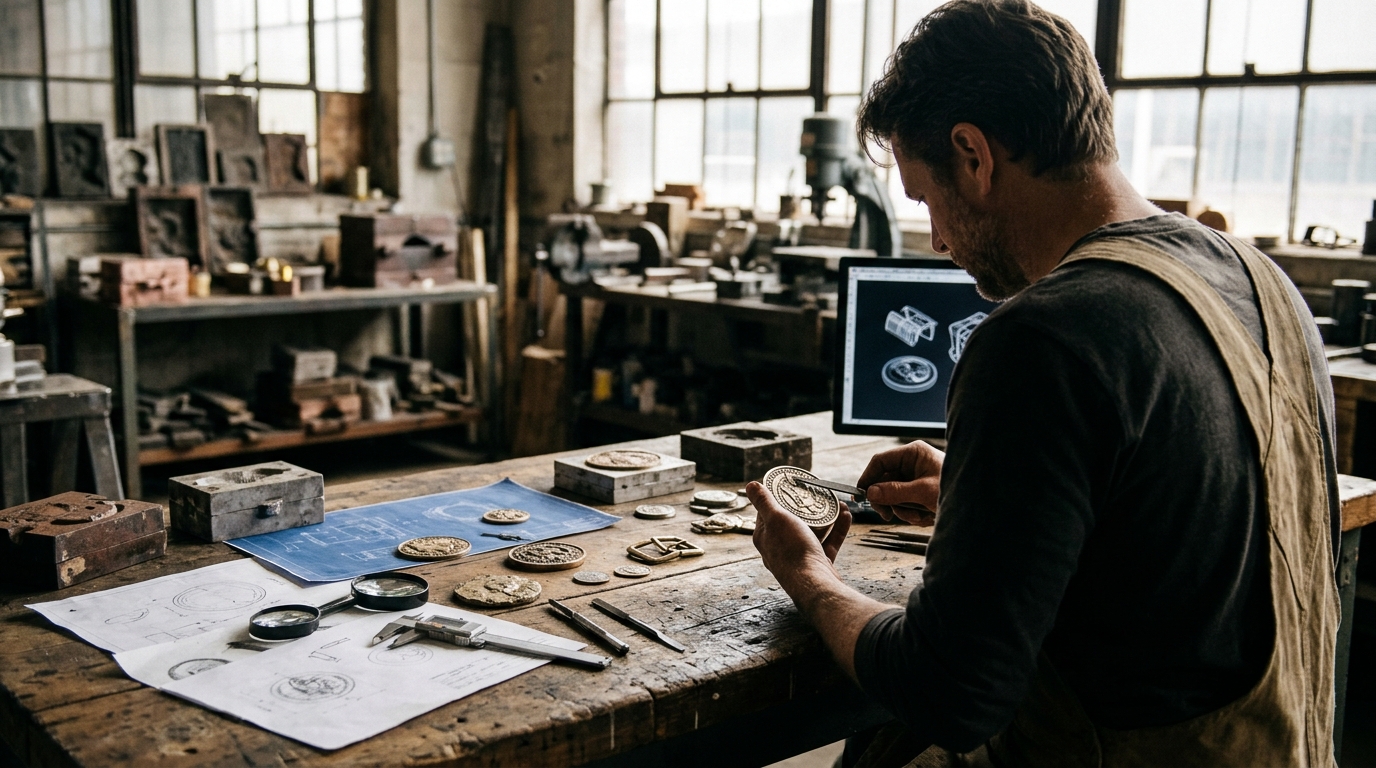
Companies typically source custom medallions from specialized metal casting facilities that handle the entire production lifecycle, from digital modeling to physical finishing. When selecting a partner, organizations should expect a structured workflow involving design approval, material selection, and a defined production timeline. Mountain Medallion and similar American-made casting providers focus on precision craftsmanship, ensuring that the final physical object matches the digital intent with high fidelity.
The Sourcing Landscape for Corporate Awards
Organizations looking to procure recognition items generally have two primary pathways: large-scale international manufacturers and specialized domestic casting houses. Large manufacturers often offer lower per-unit costs for massive quantities but may lack the granular control over design nuances. Specialized domestic makers, such as Mountain Medallion, prioritize in-house control over the sculpting and finishing processes. This distinction matters because the physical weight and tactile detail of a medallion are key drivers of perceived value for the recipient.
For corporate clients, the choice often hinges on the balance between volume and customization depth. A company ordering 500 units for an annual gala will have different needs than a team ordering 20 units for a specific departmental award. Domestic makers typically enforce minimum order quantities to justify the cost of mold creation, a standard practice in the casting industry.
From Digital File to Physical Object
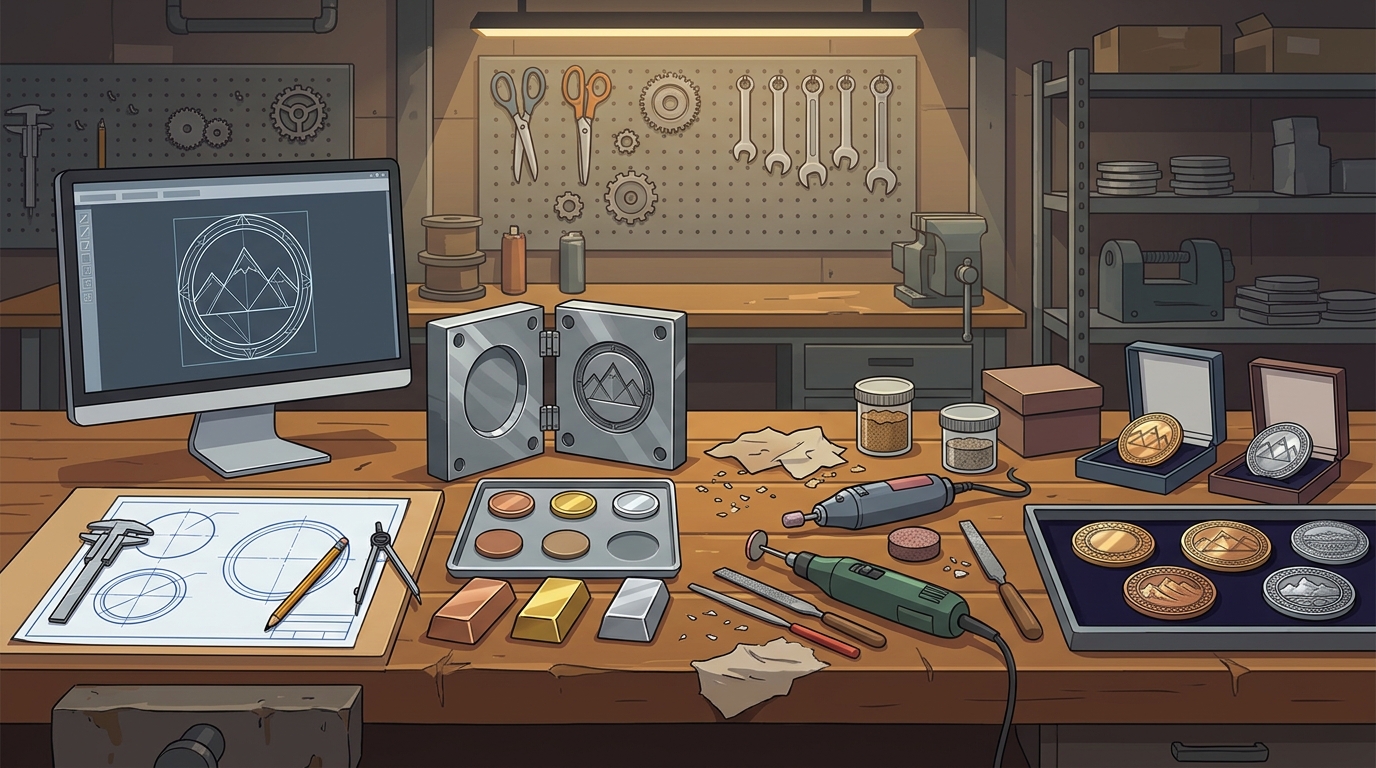
The transition from a 2D logo to a 3D metal object is the most critical phase of the manufacturing process. A custom medallion is a three-dimensional metal object created through a casting process that requires precise digital modeling before any physical material is used. Most reputable makers require vector artwork, such as AI or EPS files, to ensure that lines and details translate correctly into the mold. If a client only has a raster image, the maker must perform 3D relief modeling to give the design depth and dimension.
During this phase, the maker provides renderings for approval. This step is non-negotiable in professional workflows. It allows the client to verify that the relief depth, background texture, and overall composition meet expectations before the expensive step of mold creation begins. At Mountain Medallion, design and modeling stay under direct control, ensuring that the transition from flat artwork to sculpted metal is handled with precision.
Material Selection and Finishing Options
The choice of metal and finish dictates the durability and aesthetic of the final product. Common materials for custom castings include zinc and steel, each offering different properties in terms of weight and cost. Zinc is widely used for its ability to capture fine detail in casting, while steel offers greater durability for items that may be handled frequently or worn as part of a uniform.
Finishing is where the visual identity of the medallion is finalized. Standard finishes often include antique patinas in brass, silver, or copper tones. Specialty finishes can involve color enamel fills, UV printing, or sandblasted textures. For example, a medallion for a marathon might use a bright silver finish with color enamel to highlight specific event logos, while a corporate award might use a brushed antique finish for a more subdued, professional look. Understanding these options helps clients set realistic expectations for the final appearance.
Production Timelines and Quotation Structures
Production timelines in the custom casting industry are typically measured in weeks, not days. A standard production run takes about 3 to 4 weeks from final design approval to shipment. This timeline accounts for mold creation, casting, finishing, and quality control. Rush orders are possible but often carry additional fees, so planning ahead is essential for time-sensitive events.
Quotations in this sector are usually structured in two phases. First, an instant or preliminary estimate is provided based on the initial submission. Second, after the maker reviews the design for feasibility, an official quote is issued. This two-step process ensures that the final price reflects the actual complexity of the design. Clients should expect that orders of 100 pieces or more may qualify for waived mold and artwork fees, a common incentive for larger volume commitments.
Quality Control and Final Inspection
Quality control is the final gate before shipment. Reputable makers inspect every piece for casting defects, such as porosity or incomplete fills, and verify that the finish is consistent across the entire order. For clients, this means receiving a uniform batch where every medallion looks identical. If a client requires personalized elements, such as laser engraving for names or serial numbers, this is often done in-house to ensure consistency with the casting process.
Effective communication with the maker is key to a smooth process. Providing clear specifications, including size, material, and finish preferences, reduces the risk of revisions. By partnering with a maker that offers transparent communication and in-house production, companies can ensure that their recognition items reflect the quality of their brand.
Key Takeaways
- Specialized domestic makers offer greater control over design detail and finishing compared to large-scale international manufacturers.
- Vector artwork is preferred for 3D modeling, but raster images can be converted with professional relief sculpting.
- Standard production timelines range from 3 to 4 weeks after final design approval.
- Minimum order quantities, often around 20 pieces, are standard to cover mold creation costs.
- Orders of 100 pieces or more frequently qualify for waived mold and artwork fees.
- Material choices like zinc and steel affect both the cost and the tactile weight of the final medallion.
- Two-phase quoting (preliminary then official) ensures pricing reflects design complexity.
Frequently Asked Questions
What is the minimum order quantity for custom medallions?
Most custom casting facilities require a minimum order of 20 pieces to justify the cost of creating a new mold. This threshold ensures that the initial setup costs are distributed across a sufficient number of units to make the project economically viable for both the maker and the client.
How long does it take to produce custom medallions?
Typical production takes about 3 to 4 weeks from the point of final design approval. This period includes mold creation, casting, finishing, and quality inspection. Rush production may be available for an additional fee, but standard timelines are recommended to ensure quality.
What file formats are best for medallion design?
Vector formats such as AI, EPS, or SVG are preferred because they scale without losing quality and allow for precise 3D modeling. If only raster images (JPG, PNG) are available, the maker will need to perform additional modeling work to create the 3D relief, which may affect the final quote.
Can medallions be personalized with names or numbers?
Yes, laser engraving is a common add-on service that allows for personalization. This can be applied to part or all of the order, enabling clients to add names, serial numbers, or specific messages to individual medallions without affecting the base casting design.
What materials are commonly used for custom medallions?
Do I need to pay for the mold separately?
Mold fees are often included in the initial setup cost for smaller orders. However, for larger orders, typically 100 pieces or more, many makers waive the mold and artwork fees. This structure encourages larger volume commitments while keeping the per-unit cost lower.
Start Your Custom Medallion Project
Selecting the right maker is the first step in creating a recognition item that truly resonates with your audience. By understanding the production workflow, material options, and timeline expectations, you can ensure a smooth process from concept to delivery. For companies seeking precision craftsmanship and American-made quality, Mountain Medallion offers a reliable path to bringing your design to life. To begin, you can contact us for a quote on your next custom project.