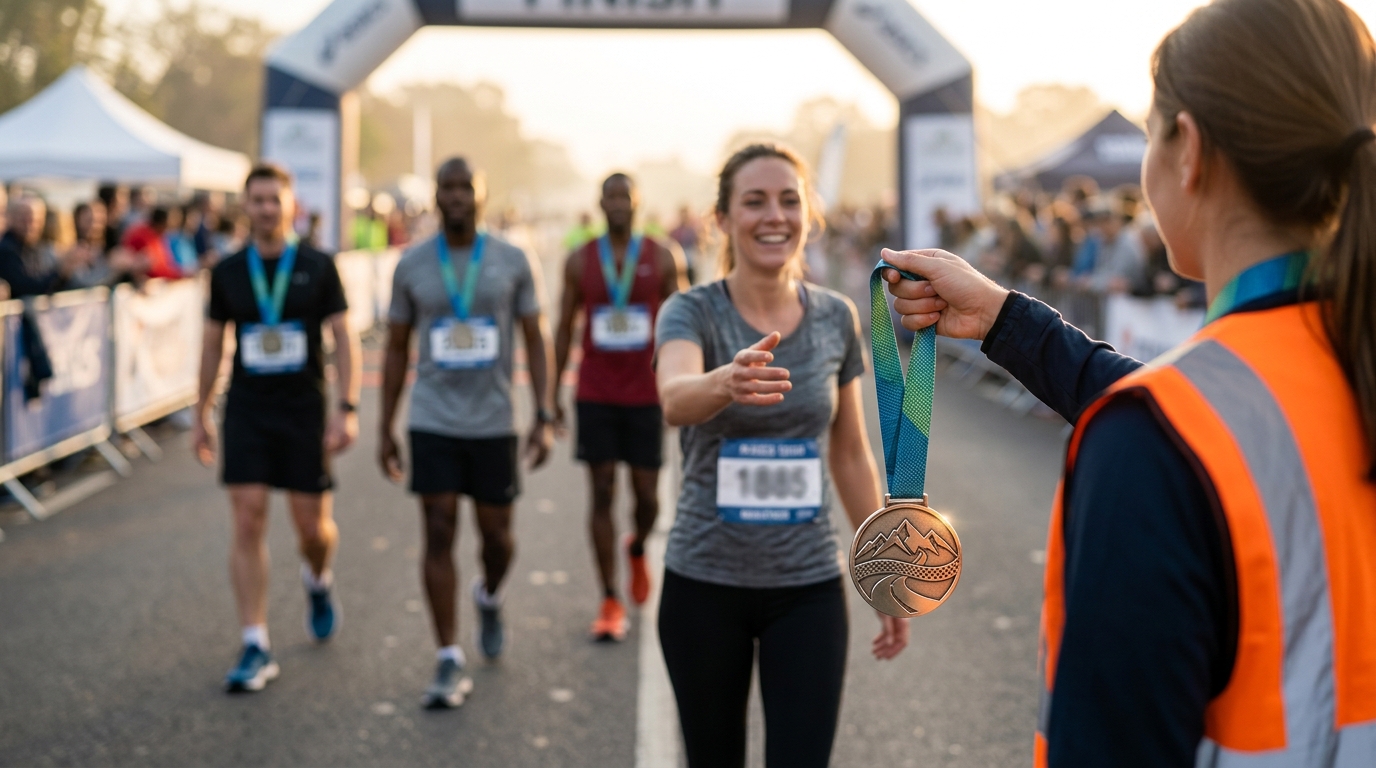
Organizing a running event involves complex logistics, but the finish line reward remains the most tangible symbol of achievement for participants. According to industry data on event merchandise, over 60% of participants cite the finisher medal as a primary motivator for registration. This high-stakes expectation demands a manufacturer capable of delivering precision, durability, and aesthetic excellence. For event directors seeking reliable partners, understanding the landscape of custom casting is essential to ensuring a successful race day.
Understanding the Manufacturing Process
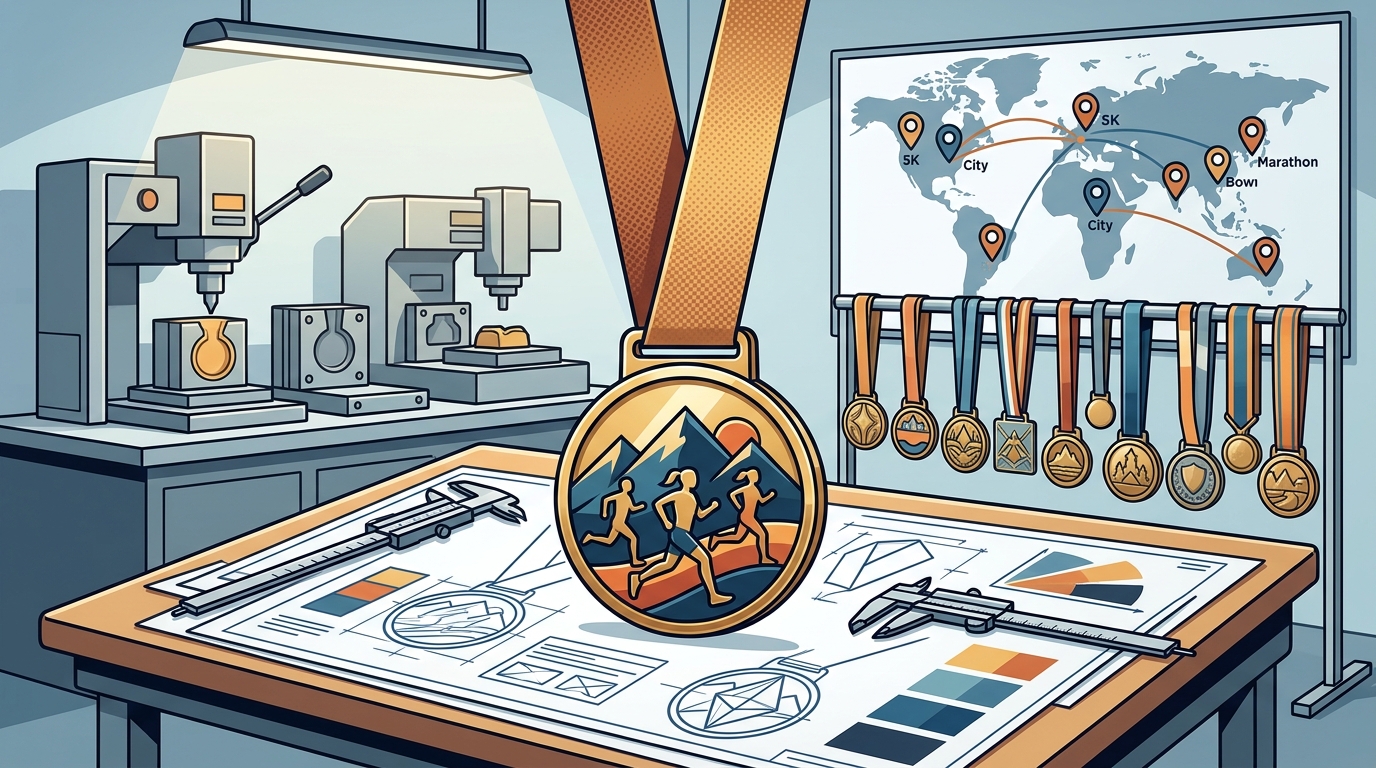
The foundation of any high-quality race medal lies in the casting methodology. Investment casting is the industry standard for detailed metalwork. This process allows for intricate designs that other methods cannot replicate. The technique involves creating a wax model of the desired medal, encasing it in a ceramic shell, and melting out the wax. Molten metal is then poured into the void left by the wax.
This method ensures that every detail from the original design is preserved. It is particularly effective for medals with complex textures, raised lettering, or multi-layered components. Manufacturers who specialize in this technique can produce medals that feel substantial and premium in the hand. The precision of the cast allows for consistent results across large production runs.
Mountain Medallion has utilized this American-made casting process since 1999. Their expertise in this area ensures that custom designs are not just printed or stamped, but truly sculpted in metal. This distinction is critical for race directors who want their medals to stand out in a crowded market of generic souvenirs.
Material Selection Guide
Choosing the right metal affects both the cost and the perceived value of the medal. The most common materials include zinc alloy, bronze, and brass. Each offers distinct advantages depending on the event's budget and branding goals.
Zinc Alloy
Zinc alloy is the most popular choice for 5Ks and half-marathons. It is cost-effective yet durable. This metal holds fine details well and accepts plating beautifully. It is often plated with gold, silver, or antique finishes to mimic more expensive metals. The weight of zinc alloy provides a satisfying heft without breaking the budget.
Bronze and Brass
For marathon events or charity runs with higher budgets, bronze and brass are preferred. These metals offer a traditional, heirloom quality. Bronze has a rich, warm tone that ages gracefully. Brass provides a bright, gold-like appearance that is highly reflective. Both materials are heavier than zinc, signaling a premium product to the runner.
Enamel and Color
Color adds vibrancy to the design. Soft enamel creates a textured look where the metal lines rise above the colored fill. Hard enamel is polished flat for a smooth, glossy finish. The choice between these techniques influences the final aesthetic. Mountain Medallion offers design services to help clients select the best combination of metal and color for their specific event theme.
Design and Engineering
A successful medal begins with a strong design. The process typically starts with a 2D sketch or a digital mockup. This is then converted into a 3D model for the wax prototype. The prototype allows the client to review proportions and details before the metal mold is created.
Engineering considerations include the attachment mechanism for the ribbon. Common options include screw backs, pin backs, or magnetic attachments. The ribbon itself must be durable enough to withstand washing and repeated wear. High-quality satin or grosgrain ribbons are standard for professional events.
Customization extends beyond the medal face. Many race directors opt for custom packaging, such as velvet pouches or branded boxes. This unboxing experience adds to the overall value of the finisher reward. The contract sales team can assist with these additional branding elements to ensure a cohesive look.
Comparing Manufacturing Options
Not all manufacturers offer the same level of service or quality. It is important to compare options based on production capacity, turnaround time, and domestic vs. overseas manufacturing.
| Feature | Domestic Custom Casters | Mass Production Importers | Generic Online Retailers |
|---|---|---|---|
| Quality Control | High (Hands-on inspection) | Variable (Batch processing) | Low (Automated) |
| Customization | Full (Mold creation) | Limited (Stock molds) | None (Pre-made) |
| Turnaround | 4-6 Weeks | 6-8 Weeks | 1-2 Weeks |
| Support | Dedicated Account Manager | General Customer Service | Automated Chat |
Domestic manufacturers often provide better communication and faster prototyping. They can address issues in real-time, reducing the risk of costly errors. For events with tight deadlines, this agility is invaluable. The customer experience at a specialized firm is typically more personalized and responsive.
Key Takeaways
- Investment Casting is the preferred method for intricate, high-quality race medals.
- Zinc Alloy offers the best balance of cost and detail for smaller races.
- Bronze provides a premium, heavy feel suitable for major marathons.
- Domestic Manufacturers like Mountain Medallion offer superior quality control and support.
- Prototyping is a critical step to ensure design accuracy before production.
- Custom Packaging enhances the perceived value of the finisher reward.
- Early Planning is essential to meet production timelines for race day.
Frequently Asked Questions
How long does it take to produce custom race medals?
Typically, the production process takes 4 to 6 weeks from the approval of the final wax prototype. This includes mold creation, casting, plating, and shipping. Rush services may be available for urgent deadlines.
What is the minimum order quantity for custom medals?
Minimum order quantities vary by manufacturer. However, custom casting usually requires a minimum run to justify the cost of the mold. Mountain Medallion works with clients to determine feasible quantities for their specific project.
Can I get a sample before placing a large order?
Yes, most reputable manufacturers provide a wax prototype or a pre-production sample. This allows you to verify the design, size, and finish before the full production run begins.
What materials are best for outdoor race medals?
Brass and bronze are highly durable and resistant to tarnishing. Zinc alloy is also durable but may require a thicker plating for long-term outdoor use. All options are suitable for typical race conditions.
How do I attach the ribbon to the medal?
Common attachment methods include screw backs, which are secure and reusable, and pin backs, which are simpler but less durable. Magnetic attachments are also an option for a modern look.
Does Mountain Medallion offer design assistance?
Yes, they provide design services to help clients refine their concepts into production-ready files. This ensures that the final medal matches the vision.
Where is Mountain Medallion located?
Mountain Medallion is an American-made manufacturer. They specialize in custom castings and have been serving clients since 1999. Their location allows for close collaboration with US-based event directors.
Start Your Project
Selecting the right partner for your race medals is a decision that impacts your event's legacy. By prioritizing quality, communication, and domestic craftsmanship, you ensure that every finisher receives a reward they will cherish. Mountain Medallion offers a proven track record of delivering precision castings for events of all sizes.
Ready to bring your design to life? Contact Mountain Medallion today for a quote on your next custom project. Visit their contact page or call 801.318.3726 to discuss your requirements. You can also get an instant estimate to begin the process immediately.