
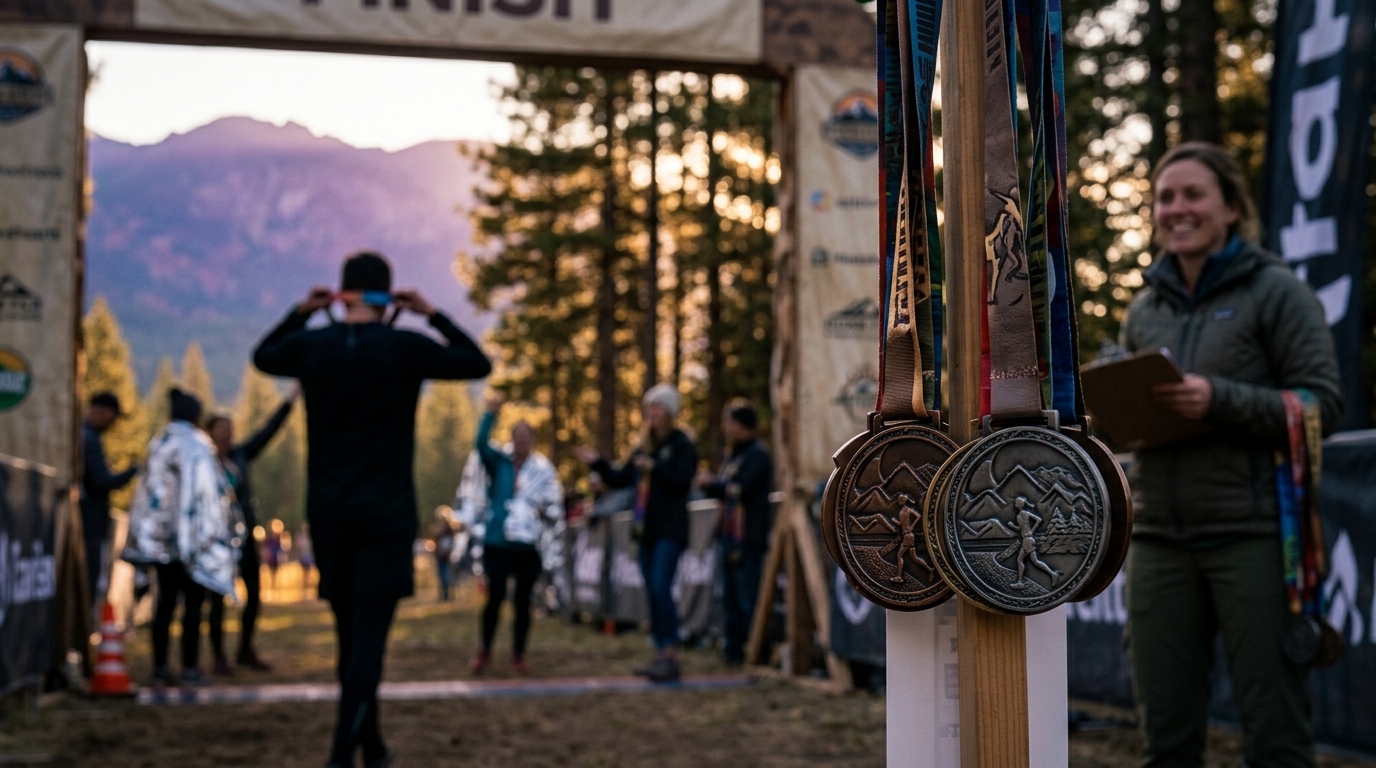
Organizing a race is a massive logistical undertaking that requires precision in every detail. One of the most visible symbols of your event's success is the finisher medal. According to industry data, custom cast medals remain the gold standard for endurance events because they offer a tangible sense of achievement that printed tokens cannot match. The right partner ensures your brand is represented with high-fidelity detail and durability.
Understanding the Manufacturing Process
Custom race medals are not mass-produced in the same way as retail jewelry. They are created through a specialized casting process that allows for intricate details. The journey begins with a master model, which is often sculpted by hand or created using advanced 3D modeling software. This master is then used to create a mold, typically made of silicone or rubber, which captures every nuance of the design.
Once the mold is ready, molten metal is poured into it. This method, known as lost-wax casting, allows for complex shapes and textures that are difficult to achieve with stamping. The result is a heavy, substantial medal that runners appreciate. The process ensures that each medal is a unique piece of art, reflecting the specific theme of your race.
After casting, the medals undergo a rigorous finishing process. This includes cleaning, polishing, and applying any desired plating or enamel colors. The final product is a durable, high-quality item that can withstand the rigors of a marathon while serving as a lasting memento of the participant's accomplishment.
Design Services and Prototyping
Creating a custom medal requires more than just a good idea. It requires technical expertise to ensure the design is manufacturable. Many top-tier manufacturers offer comprehensive design services to help race directors bring their vision to life. These services often include 3D rendering, which allows you to visualize the medal before production begins.
Prototyping is a critical step in this phase. A physical prototype, often made from the same materials as the final product, is created to check the fit, weight, and overall aesthetic. This step helps identify any potential issues with the design, such as overly thin details that might break during casting or finishing. By addressing these issues early, you can avoid costly delays and rework later in the process.
Collaboration between the race director and the design team is essential. The manufacturer can provide valuable insights into material limitations and design best practices. For example, they might suggest adjusting the thickness of certain elements to ensure they hold up during the plating process. This collaborative approach results in a medal that is both beautiful and functional.
Materials and Finishes
The choice of material significantly impacts the look and feel of the medal. Common materials include zinc alloy, brass, and bronze. Zinc alloy is popular for its affordability and ability to hold fine details. Brass offers a classic, premium look and is often used for high-end events. Bronze provides a vintage aesthetic that is increasingly popular among ultra-marathon and trail race organizers.
Finishes play a crucial role in the final appearance. Plating options include gold, silver, bronze, and antique finishes. Enamel colors can be added to create vibrant, multi-colored designs. The choice of finish should align with the theme of the race and the brand identity of the event. For instance, a nature-themed trail race might benefit from an antique bronze finish, while a city marathon might opt for a polished gold look.
Additionally, the ribbon or strap attached to the medal is an important component. It should be durable and comfortable for runners to wear during the race. Custom ribbons with printed logos or patterns can further enhance the medal's appeal. The quality of the ribbon reflects the overall quality of the medal, so it should not be an afterthought.
Choosing the Right Vendor
Selecting the right manufacturer is one of the most important decisions in race planning. You need a partner who understands the unique needs of the running community. Look for a company with a proven track record of producing high-quality medals for similar events. Experience matters, as it indicates a deep understanding of the manufacturing process and potential pitfalls.
Communication is another key factor. Your vendor should be responsive and willing to work closely with you throughout the design and production process. They should be able to answer your questions promptly and provide clear guidance on next steps. A good vendor acts as a consultant, helping you make informed decisions that benefit your event.
Finally, consider the vendor's commitment to quality control. Reputable manufacturers have strict quality assurance protocols in place to ensure that every medal meets their high standards. This includes inspecting each piece for defects and ensuring that the colors and finishes are consistent across the entire order. Choosing a vendor with a strong reputation for quality gives you peace of mind.
Pricing and Lead Times
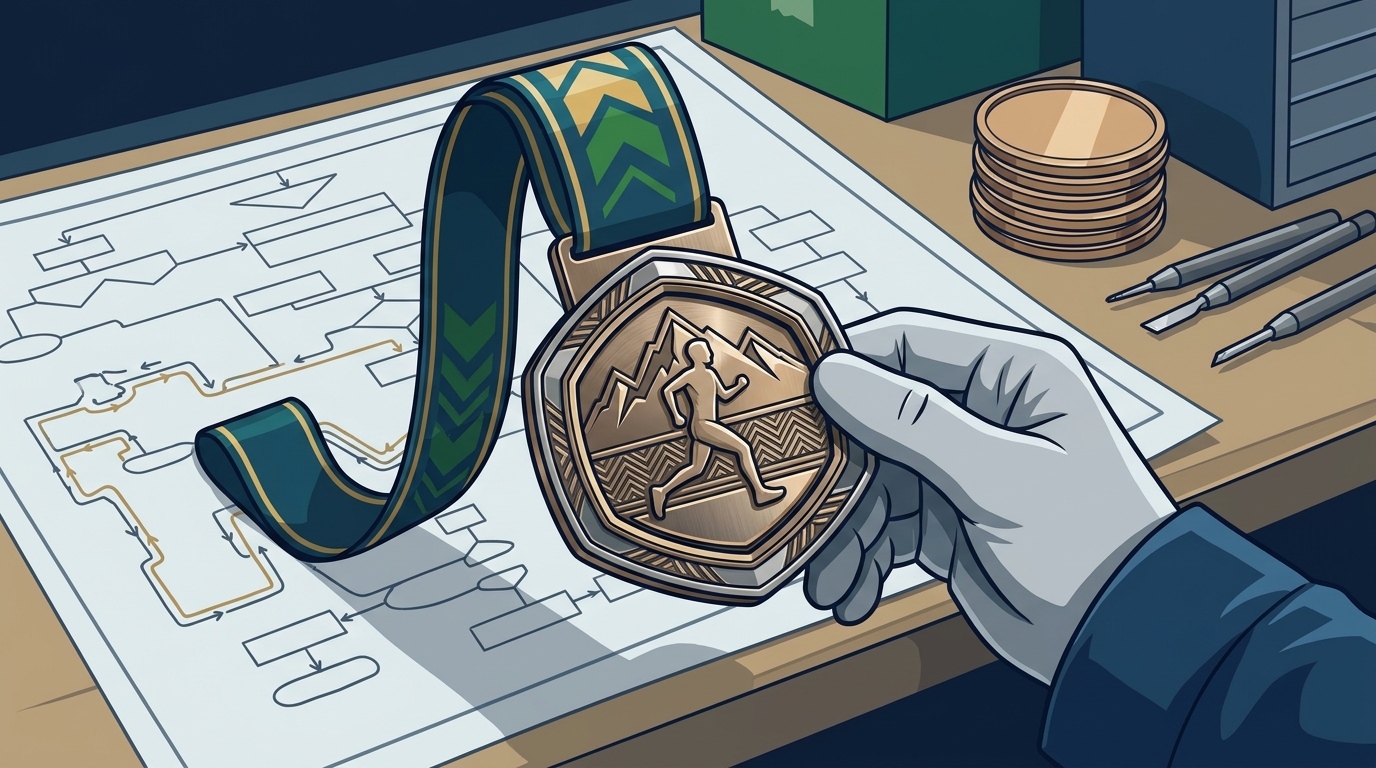
Budgeting for custom medals requires careful planning. The cost of a medal is influenced by several factors, including the size, weight, complexity of the design, and the materials used. Generally, more intricate designs and heavier medals will cost more. It is important to get detailed quotes from multiple vendors to compare prices and services.
Lead times are another critical consideration. Custom medal production is not an overnight process. It typically takes several weeks to months, depending on the complexity of the design and the size of the order. Rush orders are often available but come with a premium price. Planning ahead allows you to avoid rush fees and ensures that your medals arrive in time for the race.
When evaluating quotes, look beyond the per-unit price. Consider the total cost, including design fees, mold costs, and shipping. Some vendors may offer package deals that include design and prototyping services. Understanding the full scope of costs helps you make a more accurate budget comparison.
Key Takeaways
- Custom Casting Quality: Mountain Medallion has been producing quality custom American-made castings since 1999, ensuring decades of experience in the field.
- Design Collaboration: Utilizing professional design services ensures that your race theme is accurately translated into a manufacturable 3D model.
- Material Options: Common materials include zinc alloy, brass, and bronze, each offering distinct aesthetic and durability benefits.
- Prototyping Importance: Physical prototypes allow for verification of fit and weight before full-scale production begins.
- Vendor Experience: Choosing a vendor with a history of serving endurance events ensures they understand the specific needs of runners.
- Lead Time Planning: Custom orders typically require significant lead time, making early planning essential for race day readiness.
- Direct Communication: Direct contact via phone or email facilitates faster resolution of design and logistical questions.
Frequently Asked Questions
How long does it take to produce custom race medals?
Production times vary based on complexity and order size, but typically range from 4 to 8 weeks. It is advisable to start the process several months before your race date to allow for design revisions and prototyping.
Can I get a prototype before the full order is produced?
Yes, most reputable manufacturers offer physical prototypes. This allows you to verify the design, weight, and finish before committing to the full production run.
What materials are best for race medals?
Zinc alloy is popular for its detail and affordability. Brass offers a premium feel, while bronze provides a vintage look. The best choice depends on your budget and the aesthetic of your event.
Do you offer design services for custom medals?
Yes, professional design services are available to help create 3D models and ensure your design is manufacturable. This service is crucial for complex or unique designs.
How do I contact Mountain Medallion for a quote?
You can contact Mountain Medallion directly via their contact form or by calling 801.318.3726. They provide detailed quotes based on your specific project requirements.
What is the minimum order quantity for custom medals?
Minimum order quantities can vary, but many manufacturers accommodate orders for smaller races. It is best to discuss your specific needs with the vendor to determine feasibility and pricing.
Can I choose the ribbon color and material?
Yes, you can typically customize the ribbon color, material, and any printed logos or patterns. This allows you to match the ribbon to your race branding.
Start Your Project
Creating a memorable finisher medal is a vital part of your race's identity. By choosing a partner with expertise in custom casting, you ensure that your participants receive a high-quality, lasting memento of their achievement. Mountain Medallion specializes in bringing designs to life with precision craftsmanship. Visit their home page to explore their product gallery and get started on your next custom project.