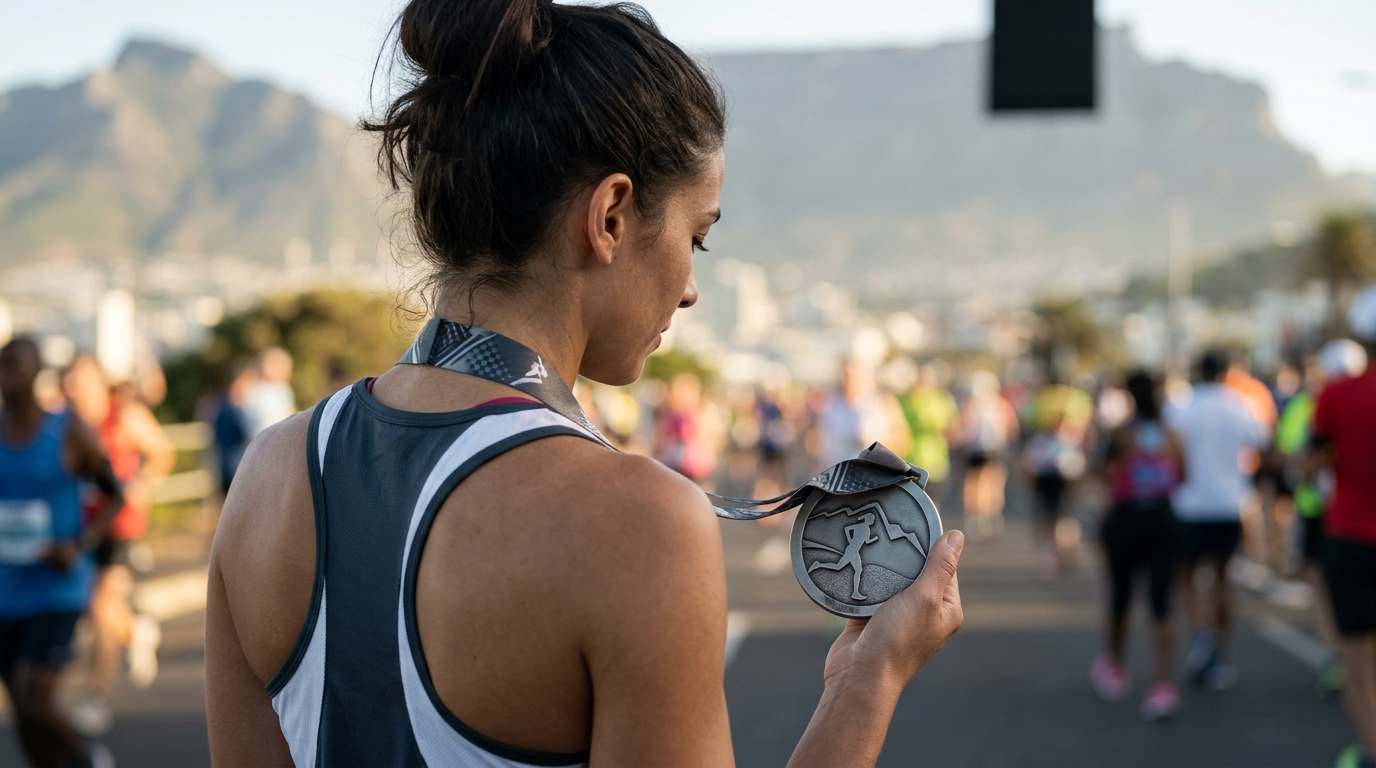
Organizing a road race involves complex logistics, but the physical token of achievement often defines the runner's memory. Custom race medals are not merely promotional items; they are tangible representations of endurance and community spirit. According to industry data on event merchandise, the average marathon participant values the finisher medal as the most significant takeaway from the race, often citing it as a primary motivator for future registrations. This guide explores the manufacturing landscape, material science, and vendor selection criteria for creating high-quality custom castings. (customer)
Understanding the Manufacturing Process
The creation of a custom race medal is a precise industrial art form. It begins with the concept and ends with a polished, durable object that can withstand the rigors of a race day. The core technology used by most premium manufacturers is investment casting, also known as lost-wax casting. This method allows for intricate details that other manufacturing processes cannot achieve. (customer)
Investment casting is a multi-step procedure. First, a master model is created, often using 3D printing or hand-sculpting. A silicone mold is then made from this master. Wax replicas are injected into the mold. These wax copies are attached to a central sprue and dipped into a ceramic slurry to create a shell. The shell is heated to melt out the wax, leaving a hollow cavity. Molten metal is then poured into this cavity. Once cooled, the ceramic shell is broken away, revealing the raw metal casting. This process ensures that every detail from the original design is preserved in the final product. (design)
For race organizers, understanding this process is vital because it dictates the timeline. The creation of the master model and the subsequent molds requires significant lead time. Rushing this phase often results in compromised quality or higher costs. Therefore, initiating the design phase at least four to six months before the race date is a standard industry recommendation for ensuring timely delivery.
Material Selection Guide
Choosing the right metal is critical for both the aesthetic appeal and the cost of the medal. The three most common materials used in the industry are zinc alloy, bronze, and brass. Each offers distinct advantages depending on the budget and the desired prestige of the event.
Zinc Alloy
Zinc alloy is the most popular choice for 5Ks, 10Ks, and half-marathons. It is cost-effective and holds fine detail well. However, it is softer than bronze and may show wear over time. Zinc alloy is often plated with gold, silver, or antique finishes to enhance its visual appeal. For large-scale events with thousands of participants, zinc alloy provides the best balance of cost and quality.
Bronze
Bronze is the traditional metal for marathon finisher medals. It is heavier, more durable, and has a richer, deeper color than zinc alloy. Bronze medals are often left unplated to showcase the natural metal, or they may be lacquered to prevent tarnishing. The weight of bronze gives the medal a sense of substance and importance, which aligns with the prestige of completing a full marathon.
Brass
Brass is another durable option, known for its golden hue. It is often used for special edition medals or for medals that require a specific antique finish. Brass is more expensive than zinc alloy but less so than pure bronze in some contexts. It is also highly resistant to corrosion, making it suitable for outdoor events where the medals might be exposed to the elements.
Design and Engineering
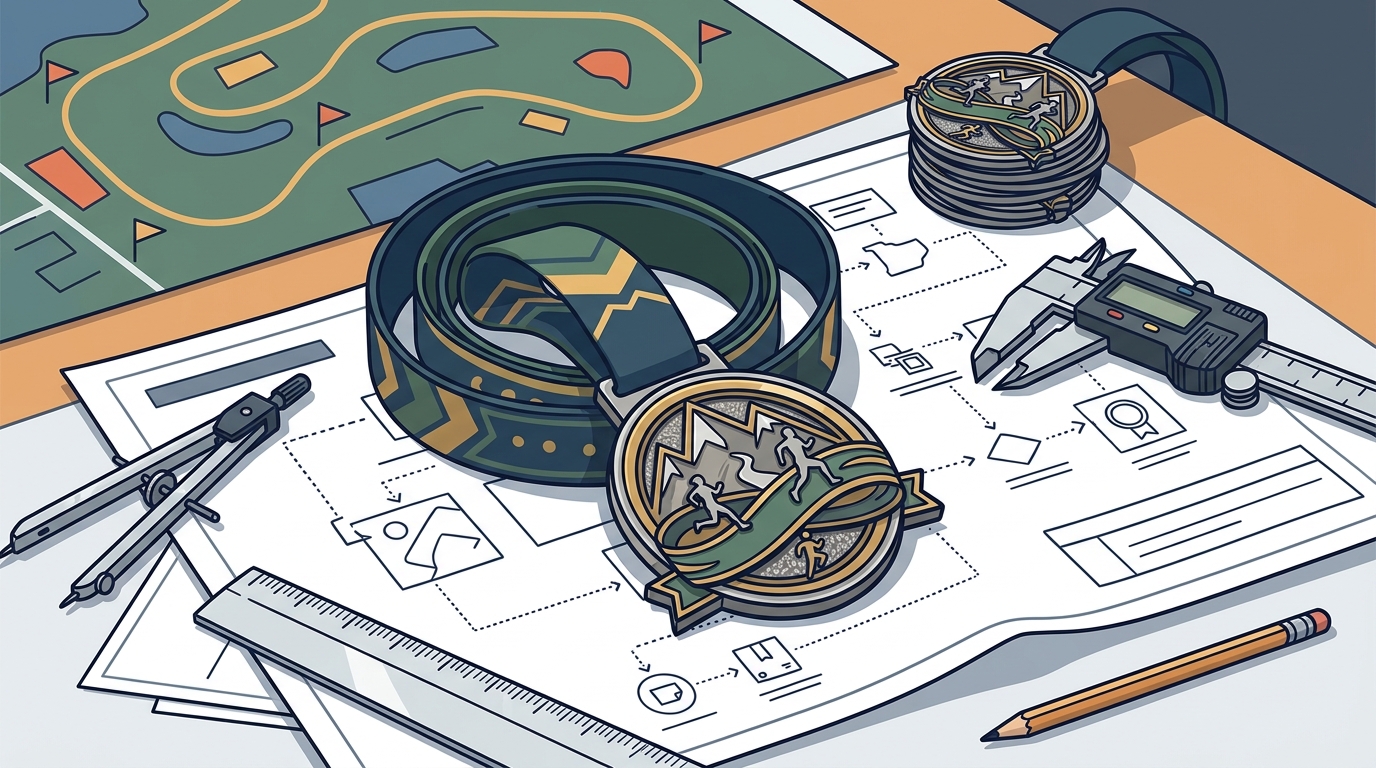
A successful race medal requires more than just a good graphic. It requires engineering expertise to ensure the design is manufacturable. The thickness of the metal, the depth of the engraving, and the placement of the ribbon attachment point are all critical factors.
Many manufacturers offer design services to help race directors translate their vision into a production-ready file. This service often includes 3D rendering, which allows the client to visualize the medal from multiple angles before committing to the mold. This step is crucial for avoiding costly errors during the casting phase.
When designing, consider the following:
- Detail Level: Intricate details require higher precision casting. Ensure the design does not have overly thin elements that might break during the casting or finishing process.
- Size: Standard sizes range from 2 inches to 3 inches in diameter. Larger medals are more expensive due to the increased material cost.
- Finish: Choose a finish that complements the event theme. Antique finishes add a vintage feel, while high-polish finishes offer a modern, sleek look.
Comparing Vendor Options
Selecting the right manufacturer is as important as the medal design itself. Key factors include domestic production, turnaround time, and customer support. Domestic manufacturers often provide better quality control and faster shipping options compared to overseas producers.
| Feature | Domestic Manufacturers | Overseas Manufacturers |
|---|---|---|
| Lead Time | 4-8 weeks | 8-12 weeks |
| Quality Control | High | Variable |
| Communication | Real-time | Delayed |
| Shipping Cost | Lower | Higher |
For race organizers who value direct communication and rapid iteration, working with a domestic provider is often the preferred route. Companies like Mountain Medallion specialize in American-made castings, offering a level of craftsmanship and reliability that is highly valued in the event industry. Their focus on custom projects allows for greater flexibility in design and material selection.
Key Takeaways
- Investment Casting: The standard method for creating detailed custom medals, allowing for intricate designs and high durability.
- Material Choice: Bronze is ideal for marathons due to its weight and prestige, while zinc alloy is cost-effective for shorter distances.
- Lead Time: Start the design process at least four to six months before the race to ensure timely delivery.
- Design Services: Utilize professional design services to create production-ready 3D models and avoid manufacturing errors.
- Domestic Production: American-made castings offer superior quality control and faster turnaround times for time-sensitive events.
- Finish Options: Antique, high-polish, and plated finishes can significantly alter the perceived value of the medal.
- Vendor Selection: Prioritize manufacturers with strong customer support and transparent pricing models.
Frequently Asked Questions
How long does it take to produce custom race medals?
Production typically takes 4 to 8 weeks from the approval of the final design. This includes mold creation, casting, plating, and shipping. Rush services may be available for an additional fee.
What is the difference between zinc alloy and bronze medals?
Zinc alloy is lighter and more affordable, making it suitable for larger events. Bronze is heavier, more durable, and has a richer color, making it ideal for prestigious marathon finisher medals.
Can I get a sample before placing a large order?
Yes, most reputable manufacturers offer prototype samples. These samples allow you to verify the design, finish, and quality before committing to the full production run.
How do I attach a ribbon to the medal?
Ribbons can be attached using a pin-back mechanism, a screw-back post, or a direct attachment to the medal's loop. The choice depends on the design and the desired aesthetic.
What is the minimum order quantity for custom medals?
Minimum order quantities vary by manufacturer. Some may require a minimum of 100 units, while others may accommodate smaller runs for an additional setup fee.
Do you offer design services?
Many manufacturers provide design services to help create the initial 3D model. This service ensures that the design is optimized for manufacturing and meets the client's expectations.
How do I care for custom race medals?
Clean medals with a soft cloth and mild soap. Avoid harsh chemicals that may damage the plating or finish. Store medals in a dry place to prevent tarnishing.
Start Your Project
Creating a memorable race medal requires attention to detail and a trusted manufacturing partner. Whether you are organizing a local 5K or a major marathon, the right medal can elevate the participant experience. Contact Mountain Medallion today to discuss your custom casting needs and receive a personalized quote. Our team is ready to bring your vision to life with precision craftsmanship and American-made quality.