
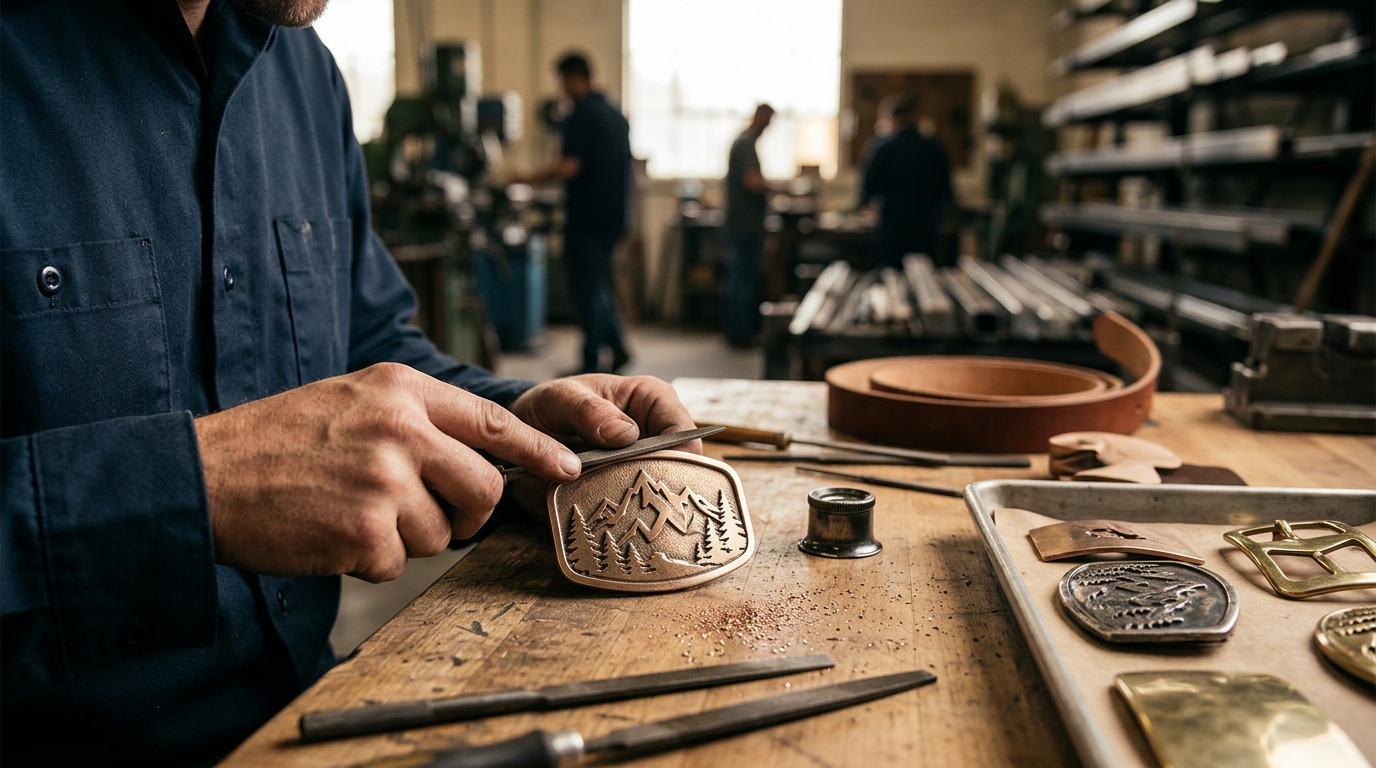
Common Mistakes When Ordering Custom Belt Buckles and How to Avoid Them
Custom metalwork is a precise science that demands attention to detail at every stage of production. According to industry standards for metal casting, approximately 30% of manufacturing delays stem from inadequate initial design specifications. This statistic highlights the critical importance of understanding the technical limitations of the casting process before committing to a project. When you order custom American-made castings, you are engaging in a specialized workflow that transforms digital concepts into tangible, durable metal objects. The difference between a mediocre product and a premium keepsake often lies in the preparation phase. By understanding the nuances of metal selection, design complexity, and production timelines, you can ensure your final piece meets your exact expectations. This guide outlines the most frequent pitfalls in the custom buckle ordering process and provides actionable strategies to avoid them.
Understanding Design Complexity and Detail
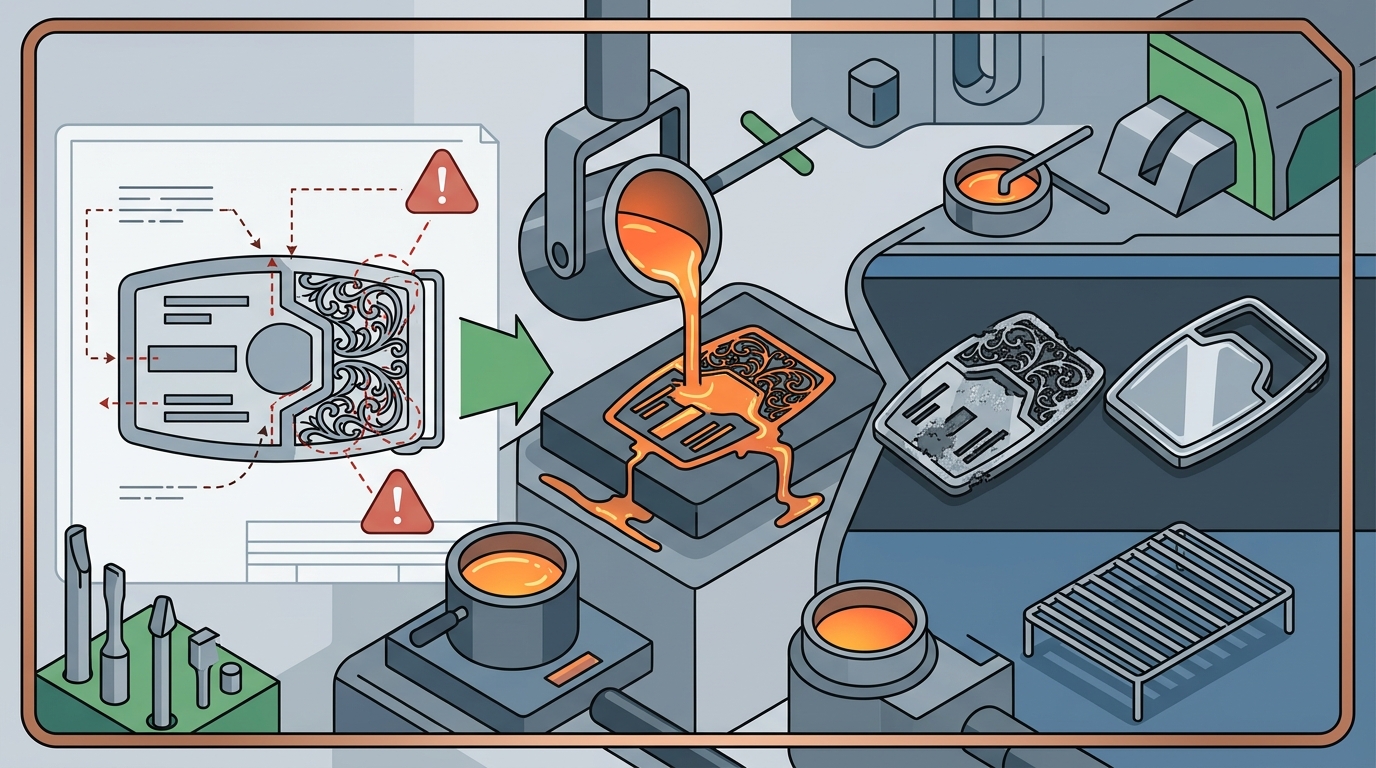
One of the most common errors clients make is submitting designs that are too intricate for the chosen casting method. Design complexity directly impacts the feasibility of the final product. When a design contains extremely fine lines or tiny text, the molten metal may not flow into every microscopic detail of the mold. This results in a loss of definition in the final cast piece. It is essential to work with your manufacturer to simplify details that may not translate well to metal. A skilled design team can suggest modifications that preserve the aesthetic intent while ensuring the design is manufacturable. (https mountainmedallion com faq)
Another frequent mistake is ignoring the scale of the buckle. A design that looks perfect on a small screen may appear cluttered or blurry when enlarged to the size of a belt buckle. Conversely, a simple design may look sparse if scaled down too much. Always request a scaled mockup to visualize how the proportions will look in three-dimensional space. This step allows you to adjust spacing and element sizes before the expensive tooling phase begins.
Furthermore, clients often overlook the importance of draft angles in their designs. Draft angles are slight tapers added to vertical walls to allow the part to be easily removed from the mold. Without these angles, the part may stick to the mold, causing damage during extraction. Professional manufacturers will add these angles automatically, but being aware of this requirement helps in understanding why certain design changes are necessary.
Choosing the Right Metal for Your Project
Selecting the appropriate metal is a foundational decision that affects both the cost and the durability of your buckle. The choice of metal determines the weight, color, and longevity of the final piece. Common options include brass, bronze, zinc, and stainless steel. Each metal has distinct properties that make it suitable for specific applications. For example, brass is widely used for its golden hue and excellent casting properties, making it ideal for detailed medallions and buckles. Bronze offers a darker, more rustic appearance and is known for its strength and corrosion resistance.
A common mistake is choosing a metal based solely on appearance without considering the functional requirements. If the buckle will be subjected to heavy wear and tear, a softer metal may scratch or dent easily. On the other hand, if the project requires intricate detailing, a harder metal might be difficult to cast with the same level of precision. It is crucial to consult with your manufacturer to balance aesthetic desires with practical performance needs.
Additionally, clients often fail to consider the finishing options available for each metal. Some metals take plating and patina finishes better than others. Understanding how the metal interacts with various finishes can help you achieve the desired look. For instance, a bright nickel finish on brass will provide a shiny, silver-like appearance, while a natural bronze finish will develop a unique patina over time. Discussing these options early in the process ensures that the final product aligns with your vision.
The Critical Role of Prototyping
Skiping the prototyping phase is a costly error that can lead to significant revisions later in the production cycle. Prototyping allows you to verify the design and make necessary adjustments before full-scale production. A physical prototype provides a tangible representation of the final product, allowing you to assess the fit, finish, and overall quality. Without a prototype, you are relying solely on digital renderings, which may not accurately reflect the three-dimensional reality of the cast piece.
Prototypes also help identify potential manufacturing issues that are not visible in the design phase. For example, a prototype might reveal that a particular feature is too thin to withstand the casting process or that the attachment mechanism is not secure. Addressing these issues during the prototype stage is far less expensive than correcting them after mass production has begun. It is a small investment that saves time and money in the long run.
Moreover, prototypes are essential for stakeholder approval. If you are working with a team or a client, having a physical sample to review facilitates clearer communication and faster decision-making. It eliminates ambiguity and ensures that everyone is aligned on the final design. This collaborative approach reduces the risk of misunderstandings and ensures that the final product meets all expectations.
Realistic Timeline Planning
Underestimating the time required for custom manufacturing is a frequent source of stress and disappointment. Custom metal casting involves multiple stages, each requiring careful attention and time. The process typically includes design finalization, mold creation, prototyping, client approval, and production. Each of these steps has its own timeline, and delays in one stage can cascade through the entire project. It is important to build in buffer time for unexpected issues or revisions.
Another common mistake is not accounting for the lead time of material sourcing. Some metals or specialized finishes may have longer lead times due to supply chain constraints. By planning ahead and communicating your timeline requirements clearly, you can help your manufacturer prioritize your project and avoid delays. It is also wise to consider seasonal factors, as demand for custom metalwork can fluctuate throughout the year.
Furthermore, clients often forget to factor in the time required for shipping and delivery. Custom pieces are often shipped via specialized carriers to ensure safe transport. International shipping can add significant time to the delivery process. By planning for these logistical details, you can ensure that your buckle arrives on time and in perfect condition.
Ensuring Quality Control and Finishes
Neglecting quality control protocols can result in a final product that does not meet your standards. Quality control is the final safeguard against defects and inconsistencies in custom manufacturing. Reputable manufacturers implement rigorous inspection processes at various stages of production. These inspections check for dimensional accuracy, surface defects, and finish consistency. By choosing a manufacturer with a strong quality control reputation, you can have confidence in the final product.
Another aspect of quality control is the selection of the finishing process. Finishes such as plating, polishing, and patina application require skilled labor and precise techniques. Inconsistent finishes can detract from the overall appearance of the buckle. It is important to specify your finish requirements clearly and to request samples if you are unsure of the outcome. This ensures that the final product matches your expectations.
Additionally, clients should be aware of the limitations of certain finishes. For example, plated finishes may wear over time, especially on high-friction areas like belt buckles. Understanding the durability of different finishes helps you make informed decisions about the longevity of your product. A manufacturer can provide guidance on the best finishing options for your specific use case.
Key Takeaways
- Design Simplification: Avoid overly intricate designs that may not cast well; simplify details to ensure clarity and durability.
- Metal Properties: Choose metals based on both aesthetic and functional requirements, such as brass for detail and bronze for strength.
- Prototyping Value: Always request a physical prototype to verify design and catch manufacturing issues before production.
- Timeline Buffer: Plan for realistic lead times, including material sourcing and shipping, to avoid delays.
- Quality Assurance: Partner with manufacturers who have robust quality control processes to ensure consistent finish and accuracy.
- Finish Durability: Consider the wear and tear on the buckle when selecting finishes to ensure long-term satisfaction.
- Clear Communication: Provide detailed specifications and maintain open communication with your manufacturer throughout the process.
Frequently Asked Questions
What is the typical lead time for custom belt buckles?
Lead times vary depending on the complexity of the design and the quantity ordered. Generally, the process from design to delivery can take several weeks to a few months. It is best to consult with your manufacturer for a specific timeline based on your project requirements.
Can I choose my own metal for the buckle?
Yes, you can typically choose from a variety of metals such as brass, bronze, zinc, and stainless steel. Your manufacturer can advise you on the best metal for your specific design and usage needs.
Is prototyping included in the cost?
Prototyping is often a separate cost but is highly recommended to ensure the design meets your expectations. It allows for necessary adjustments before the final production run begins.
How do I ensure the finish matches my expectations?
Request finish samples or a prototype with the desired finish applied. This allows you to verify the color and texture before the final production begins.
What are the benefits of custom American-made castings?
Custom American-made castings often offer higher quality control, faster turnaround times for revisions, and support for local manufacturing. They also ensure that the product meets strict domestic standards.
Can I make changes to the design after the mold is created?
Making changes after the mold is created can be costly and time-consuming. It is best to finalize the design during the prototyping phase to avoid additional expenses.
What is the minimum order quantity for custom buckles?
Minimum order quantities vary by manufacturer. Some may offer low minimums for custom projects, while others may require larger quantities for cost-effectiveness. Check with your provider for their specific policies.
Start Your Custom Project
Avoiding these common mistakes ensures a smoother, more successful custom buckle ordering experience. By prioritizing clear design, appropriate material selection, and realistic planning, you can achieve a high-quality product that stands the test of time. Mountain Medallion specializes in quality custom American-made castings and is ready to help you bring your vision to life. Visit our Contract Sales page to learn more about our services or Customer Experience resources for additional guidance. Contact us today to get an instant estimate for your next custom project.