
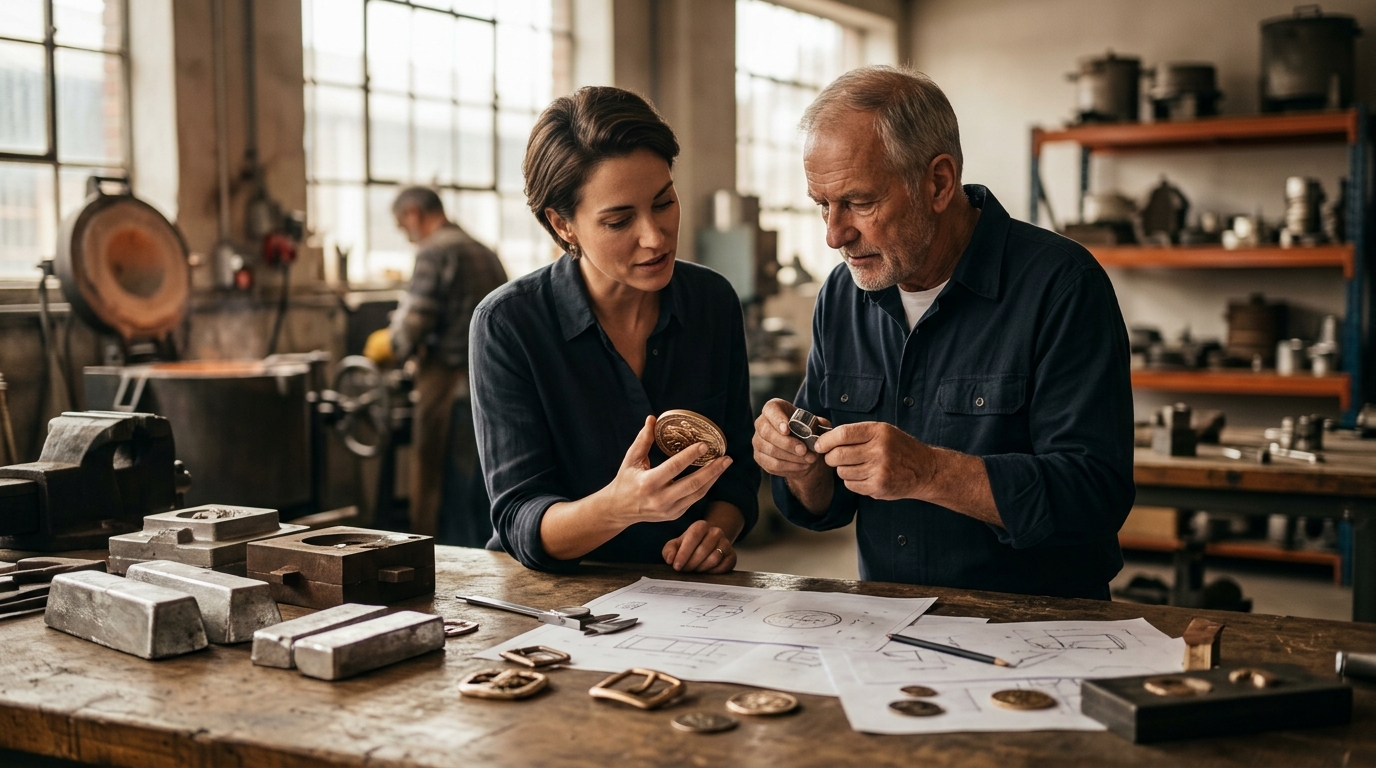
Custom metal casting is a high-stakes manufacturing process where precision dictates the viability of your final product. According to industry data, nearly 40% of manufacturing delays stem from poor vendor communication and unclear technical specifications during the initial design phase. This statistic highlights why selecting the right partner is not merely a procurement task but a strategic operational decision. When you commission a custom piece, you are entrusting a vendor with your intellectual property and your brand reputation. The difference between a successful launch and a costly failure often lies in the vendor's ability to translate abstract concepts into tangible, high-fidelity metalwork. (customer)
The Strategic Value of Domestic Manufacturing
One of the most significant decisions you will make is choosing between domestic and overseas production. While offshore manufacturing often promises lower unit costs, it introduces substantial risks regarding intellectual property protection, shipping logistics, and quality consistency. Domestic manufacturing eliminates the geopolitical and logistical variables that frequently disrupt supply chains. (faq)
Working with a U.S.-based foundry like Mountain Medallion ensures that your designs remain secure within a robust legal framework. Furthermore, domestic production allows for rapid iteration. When a prototype requires adjustment, a domestic vendor can ship a revised mold in days rather than weeks. This agility is critical for businesses that need to bring products to market quickly. The ability to visit the facility or communicate in real-time during standard business hours fosters a collaborative environment that remote vendors simply cannot match.
Evaluating Technical Capabilities and Materials
Not all casting methods are created equal. You must understand the specific metallurgical processes a vendor employs to ensure they align with your product's functional requirements. Investment casting, also known as lost-wax casting, is the industry standard for high-detail metalwork. This process allows for intricate designs that other methods cannot replicate, making it ideal for jewelry, medallions, and complex mechanical parts.
When evaluating a vendor, ask about their material inventory. A capable foundry should offer a wide range of metals, including bronze, brass, stainless steel, and precious metals. The choice of material affects the weight, durability, and finish of the final product. For instance, bronze provides a classic aesthetic and excellent corrosion resistance, while stainless steel offers superior strength for functional hardware. Ensure your vendor has experience working with the specific alloy you require, as different metals behave uniquely during the cooling and finishing stages.
The Role of In-House Design Support
Many clients approach foundries with a rough sketch or a digital concept. The ability of a vendor to refine this concept is a critical differentiator. Professional design services bridge the gap between artistic vision and manufacturing reality. Without expert guidance, a design might be technically impossible to cast or unnecessarily expensive to produce.
A vendor with strong in-house design capabilities will review your artwork for manufacturability. They will identify areas where draft angles are insufficient or where wall thicknesses might lead to casting defects. By leveraging their expertise early in the process, you avoid costly rework later. This collaborative design phase ensures that the final mold captures every detail of your original intent while optimizing the part for efficient production.
Quality Control and Prototyping Protocols
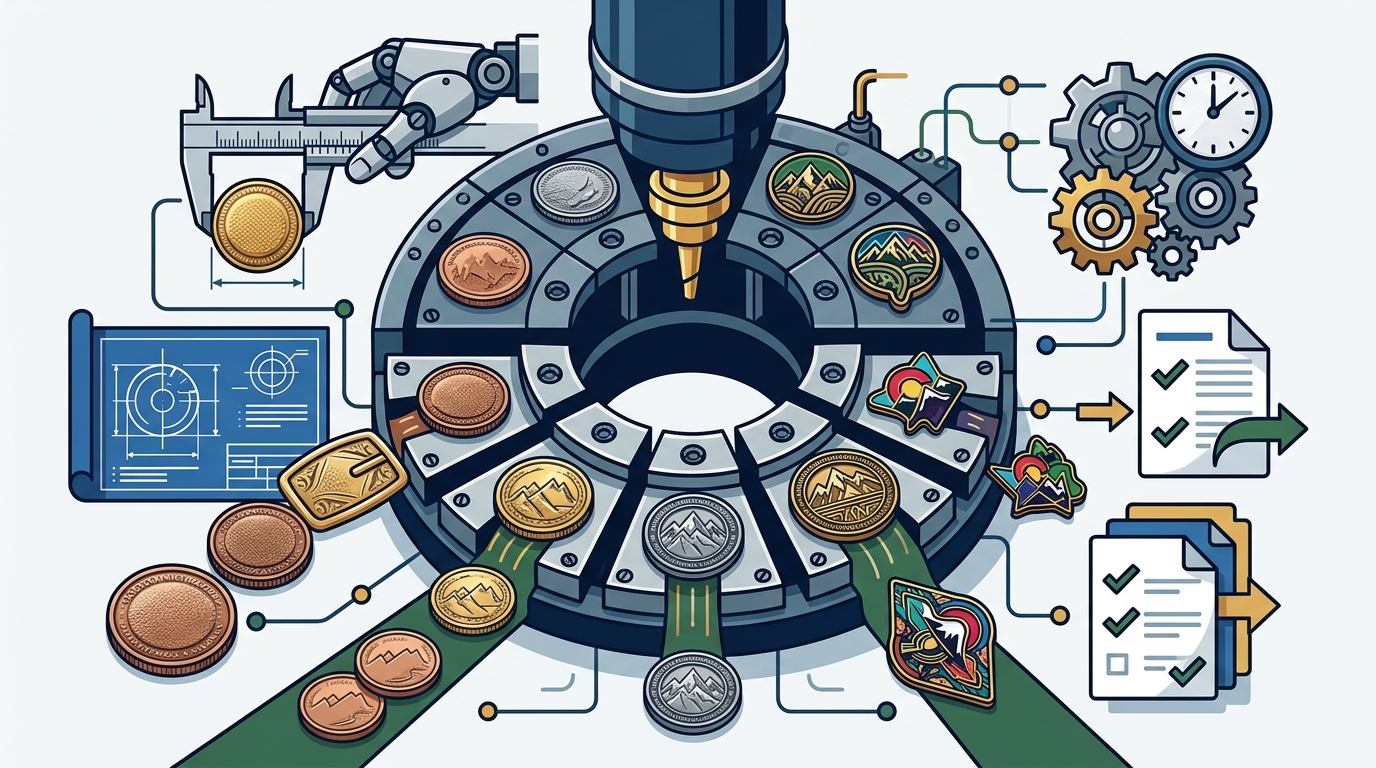
Quality assurance is not an afterthought; it is a foundational component of professional casting. Before committing to a full production run, you must insist on a prototyping phase. Prototyping allows you to verify dimensions, weight, and surface texture before mass production begins. This step is non-negotiable for any project where precision is paramount.
Ask your potential vendor about their inspection protocols. Do they use digital calipers and coordinate measuring machines (CMM) to verify tolerances? Do they perform visual inspections for surface imperfections? A vendor with a rigorous quality control process will provide detailed reports and high-resolution images of the prototype for your approval. This transparency builds trust and ensures that the final batch matches your expectations exactly.
Contract Flexibility and Order Minimums
Business needs vary significantly across different stages of growth. A vendor that only accepts massive orders may be unsuitable for a startup, while one that refuses large contracts may lack the capacity for enterprise-level clients. Understanding a vendor's minimum order quantity (MOQ) is essential for budget planning.
Look for a vendor who offers flexible contract terms. Some projects require a small initial run for market testing, followed by larger reorders. A good partner will accommodate this scalability. Additionally, clarify the pricing structure. Are there setup fees for mold creation? Do prices drop significantly at higher volume tiers? Transparent pricing models help you forecast costs accurately and avoid hidden expenses that can erode your profit margins.
Assessing Product Diversity and Specialization
While specialization can indicate expertise, versatility often signals operational maturity. A vendor that produces a wide array of products, from coins and buckles to medallions and lapel pins, likely possesses a versatile workforce and adaptable machinery. Versatility suggests that the vendor can handle diverse design challenges without compromising quality.
Review their product gallery to assess the complexity and finish of their previous work. Look for consistency in detail reproduction across different product types. If they can produce a fine-detail lapel pin with the same precision as a large industrial buckle, you can trust their capability to handle your specific project. This breadth of experience also means they are likely familiar with a wider range of finishing techniques, such as patinas, plating, and polishing.
Comparing Vendor Service Models
To make an informed decision, it is helpful to compare the typical service models available in the custom casting industry. The table below outlines the key differences between generalist foundries and specialized custom casting partners.
| Feature | Generalist Foundry | Specialized Custom Partner |
|---|---|---|
| Design Support | Limited or outsourced | Comprehensive in-house engineering |
| MOQ Flexibility | High minimums required | Scalable from prototype to bulk |
| IP Protection | Variable legal frameworks | Strict domestic compliance |
| Communication | Delayed or automated | Direct access to project managers |
| Product Range | Standardized items only | Broad custom capabilities |
Key Takeaways
- Domestic Advantage: U.S.-based manufacturing offers superior IP protection and faster turnaround times compared to offshore alternatives.
- Material Expertise: Ensure the vendor has specific experience with your chosen metal, such as bronze or stainless steel, to guarantee structural integrity.
- Design Collaboration: In-house design services are critical for refining concepts and ensuring manufacturability before mold creation.
- Prototyping Necessity: Always require a physical prototype to verify dimensions and finish before approving mass production.
- Flexible Contracts: Seek vendors who accommodate varying order sizes, from small test runs to large-scale enterprise orders.
- Quality Assurance: Verify the vendor's inspection protocols, including the use of digital measurement tools and visual checks.
- Historical Reliability: Choose a vendor with a long-standing track record, such as Mountain Medallion, which has provided quality custom American-made castings since 1999.
Frequently Asked Questions
What is the typical turnaround time for custom casting?
Turnaround times vary based on the complexity of the design and the quantity ordered. Generally, the process from design approval to final delivery takes several weeks. This includes time for mold creation, casting, finishing, and quality inspection. Rush services may be available for urgent projects.
Do you offer design services for clients with no technical drawings?
Yes, professional design services are available to help clients who have only a concept or sketch. Our team can create detailed technical drawings and 3D models to ensure your vision is accurately translated into a manufacturable design.
What is the minimum order quantity for custom projects?
Minimum order quantities depend on the specific product and material. We accommodate a wide range of needs, from small prototype runs to large-scale production. Contact us for a quote to discuss the specific requirements of your project.
How do you protect my intellectual property?
As a domestic manufacturer, we adhere to strict U.S. laws regarding intellectual property. We treat all client designs with the utmost confidentiality and do not share or reproduce your designs without explicit permission.
What metals do you specialize in?
We specialize in a variety of metals, including bronze, brass, stainless steel, and precious metals. Our expertise allows us to recommend the best material for your specific application, balancing durability, aesthetics, and cost.
Can you replicate existing designs?
Yes, we can replicate existing designs provided you have the necessary rights or original files. We can also create new molds from physical samples if original files are unavailable, though this process may require additional verification steps.
What is the difference between investment casting and other methods?
Investment casting, or lost-wax casting, is ideal for high-detail metalwork. It allows for intricate designs and smooth finishes that other methods cannot achieve. It is particularly well-suited for jewelry, medallions, and complex mechanical parts.
Start Your Custom Project Today
Choosing the right custom casting vendor is a decision that impacts your product's quality, timeline, and bottom line. By prioritizing domestic manufacturing, technical expertise, and collaborative design support, you ensure a successful outcome. Mountain Medallion has been a trusted partner for businesses seeking quality custom American-made castings since 1999. We invite you to contact us to discuss your next project and receive a personalized quote. Our team is ready to bring your designs to life with precision and care.