
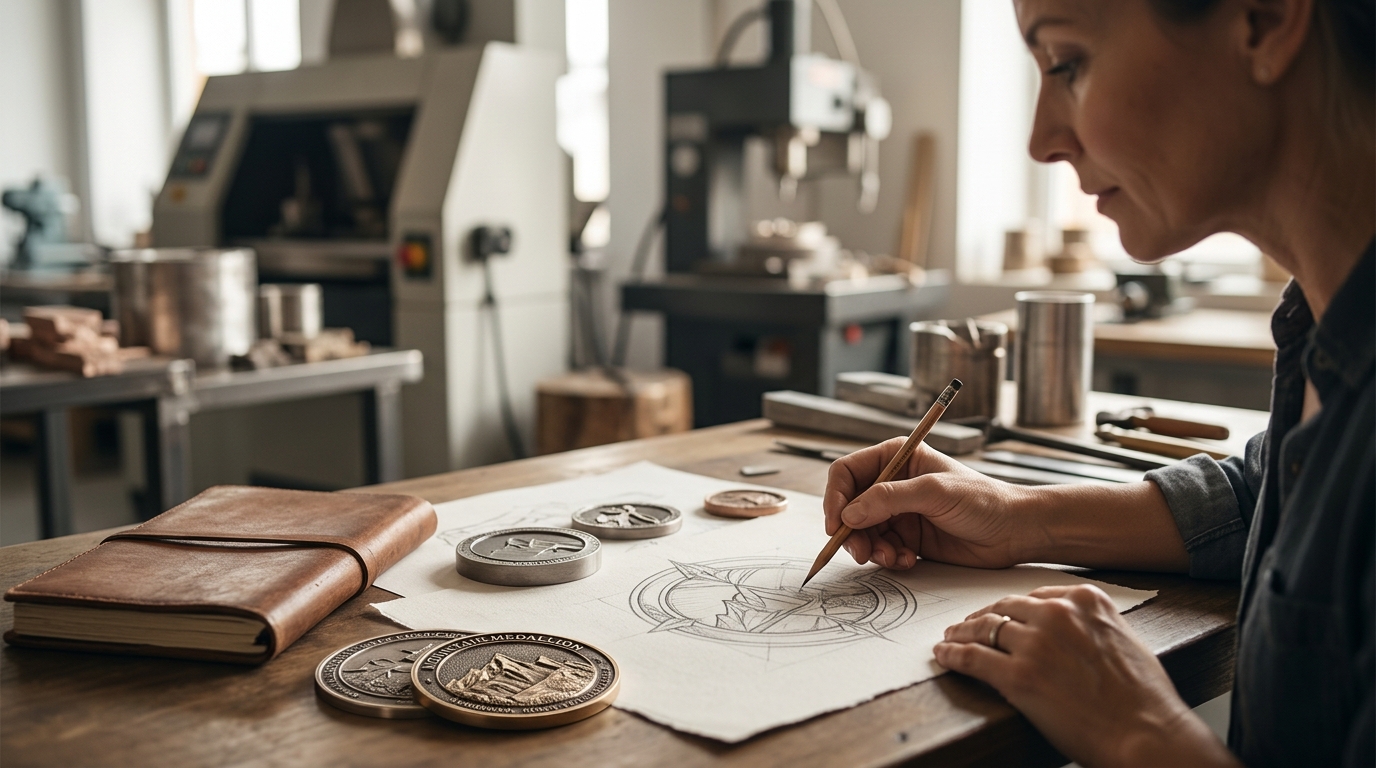
Custom cast medallions have served as powerful symbols of achievement, loyalty, and prestige for decades. According to industry data on the commemorative metal goods market, the demand for high-quality, durable metal awards has grown significantly, with millions of units produced annually for corporate, military, and fraternal organizations. This guide explains the precise workflow for creating these items, from initial concept to final delivery. We will explore the technical nuances of the lost-wax casting process, material selection, and the critical role of professional design services in ensuring a successful outcome.
Understanding the Lost-Wax Casting Process
The foundation of high-quality custom medallions lies in the lost-wax casting method, also known as investment casting. This ancient technique allows for incredible detail and complexity that other manufacturing methods cannot match. Lost-wax casting is a manufacturing process that involves creating a wax model of an object, encasing it in a ceramic shell, and then melting the wax away to create a mold for molten metal.
The process begins with a master pattern, which is typically created from a 3D digital model. This pattern is replicated in wax to create multiple copies. These wax copies are then attached to a central wax tree or sprue system. The entire assembly is invested in a refractory material, which hardens into a mold. When heated, the wax melts and drains out, leaving a hollow cavity that perfectly mirrors the original design. Molten metal is then poured or centrifuged into this cavity.
For organizations seeking precision craftsmanship, this method ensures that every fine line, texture, and depth is captured accurately. Unlike stamping, which can flatten details, casting preserves the three-dimensional integrity of the design. This is particularly important for medallions that require raised relief or deep engraving to convey a sense of luxury and permanence.
Choosing the Right Metal for Your Project
Selecting the appropriate metal is one of the most critical decisions in the design process. The choice affects the weight, durability, appearance, and cost of the final product. Common metals used in custom casting include bronze, brass, zinc, and various alloys.
Bronze is a traditional favorite for high-end awards and commemorative pieces. It offers a rich, warm tone and excellent corrosion resistance. Brass, an alloy of copper and zinc, provides a gold-like appearance at a lower cost. It is widely used for quality custom American-made castings due to its durability and ease of plating. Zinc alloys are often chosen for their ability to capture extremely fine details and their lower melting point, which reduces wear on the investment molds.
| Metal Type | Appearance | Durability | Best Use Case |
|---|---|---|---|
| Bronze | Rich, warm brown | High | Premium awards, historical replicas |
| Brass | Gold-like yellow | High | Medals, lapel pins, buckles |
| Zinc Alloy | Silver-like gray | Moderate | Complex designs, cost-effective bulk orders |
| Aluminum | Light, matte silver | Moderate | Large format plaques, lightweight items |
When deciding on a metal, consider the intended environment. Items exposed to outdoor elements or frequent handling benefit from the corrosion resistance of bronze or brass. For internal corporate awards, zinc or aluminum may offer a more budget-friendly option without sacrificing aesthetic appeal.
The Design Phase and Digital Modeling
The success of a custom casting project hinges on the quality of the initial design. Poorly conceived designs often result in manufacturing defects, such as incomplete filling or excessive porosity. This is why professional design services are essential for complex projects.
Modern design workflows utilize Computer-Aided Design (CAD) software to create precise 3D models. This digital model serves as the blueprint for the wax pattern. Designers must account for several technical factors during this phase:
- Undercut Avoidance: Designs with deep undercuts can be difficult to remove from the mold. Designers often adjust angles to ensure the wax pattern can be extracted cleanly.
- Uniform Wall Thickness: Consistent thickness prevents cooling issues that lead to shrinkage or warping. Thin areas may require reinforcement or material adjustments.
- Detail Resolution: The level of detail in the digital model must match the capabilities of the casting process. Extremely fine lines may need to be thickened slightly to ensure they appear in the final metal piece.
Collaboration between the client and the design team is vital. Providing high-resolution images, sketches, or existing physical examples helps the designers understand the desired aesthetic. For contract sales and large-scale projects, iterative reviews of the 3D model allow for adjustments before any physical production begins.
From Prototype to Mass Production
Once the design is finalized, the production process moves to the manufacturing floor. The first step is typically the creation of a prototype or sample. This sample allows the client to verify the design, dimensions, and surface quality before committing to a full production run.
The prototype is created using the same lost-wax process described earlier. However, it is often produced in a single unit or a small batch. After casting, the piece is cut from the wax tree, cleaned, and finished to match the final product specifications. This stage is crucial for identifying any potential issues with the design or manufacturing process.
For larger orders, the process scales up by creating a master mold from the approved prototype. This master mold is used to produce multiple wax patterns simultaneously. The efficiency of this stage allows for consistent quality across hundreds or thousands of units. Customer experience is prioritized throughout this phase, with regular updates on production status and quality control checks.
Quality control is rigorous. Each piece is inspected for defects such as porosity, misalignment, or surface imperfections. Any pieces that do not meet the strict standards are rejected and recast. This ensures that the final product delivered to the client is flawless.
Finishing, Plating, and Enameling
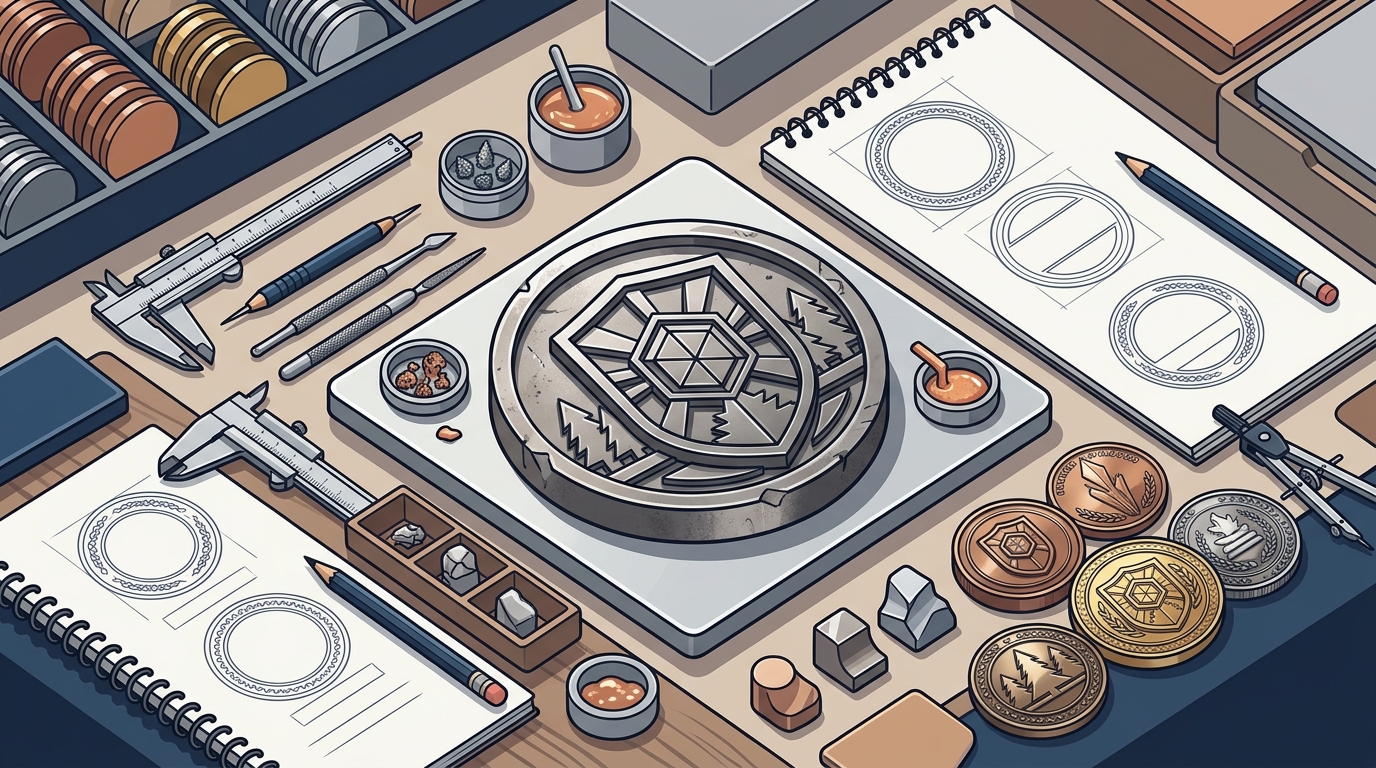
The final appearance of a custom medallion is determined by the finishing process. This stage transforms the raw cast metal into a polished, professional product. Common finishing techniques include polishing, tumbling, and sandblasting.
Polishing creates a smooth, reflective surface that highlights the details of the design. Tumbling is a mechanical process that smooths out rough edges and creates a uniform matte finish. Sandblasting provides a textured, non-reflective surface that can add depth and contrast to the design.
Plating is often applied to enhance the appearance and durability of the metal. Gold, silver, nickel, and antique finishes are popular choices. Plating not only improves the aesthetic appeal but also provides an additional layer of protection against tarnishing and wear. For items requiring color, enameling can be applied. Hard enamel and soft enamel are the two primary types, each offering different visual effects and durability levels.
The choice of finishing should align with the intended use of the medallion. High-gloss finishes are ideal for display pieces, while matte or antique finishes are better for items that will be handled frequently. Understanding these options helps in selecting the right finish for your specific needs.
Key Takeaways
- Lost-wax casting is the preferred method for high-detail custom medallions, allowing for complex geometries and fine textures.
- Metal selection impacts both the aesthetic and functional properties of the final product, with bronze and brass being top choices for durability.
- Professional design services are critical for translating concepts into manufacturable 3D models that avoid common casting defects.
- Prototyping is a necessary step to verify design accuracy and quality before full-scale production begins.
- Finishing techniques such as plating and enameling significantly enhance the visual appeal and longevity of the medallion.
- Mountain Medallion has been providing quality custom American-made castings since 1999, ensuring decades of expertise in the field.
- Clear communication with the manufacturer regarding design intent and material preferences leads to a more successful outcome.
Frequently Asked Questions
What is the typical turnaround time for custom cast medallions?
Turnaround times vary based on the complexity of the design and the order quantity. Generally, the process from design approval to delivery can take several weeks. This includes time for prototyping, client approval, and production. Rush services may be available for urgent projects.
Can I bring my own design to Mountain Medallion?
Yes, you can submit your own designs. However, the team may recommend adjustments to ensure the design is suitable for the casting process. Professional design services are available to refine or create new designs from scratch.
What is the difference between hard enamel and soft enamel?
Hard enamel is polished flat with the metal edges, creating a smooth, durable surface. Soft enamel leaves the recessed areas lower than the metal lines, creating a textured, tactile effect. Both options offer vibrant colors and are popular for lapel pins and medals.
How do I get a quote for a custom project?
You can request a quote by using the contact form on the website or by calling the provided phone number. Providing detailed information about the design, material, quantity, and finishing preferences will help generate an accurate estimate.
Are the castings made in the United States?
Yes, Mountain Medallion specializes in quality custom American-made castings. This ensures high standards of craftsmanship and supports domestic manufacturing.
What file formats are accepted for digital designs?
Common file formats such as STL, OBJ, and CAD files are typically accepted. If you have a physical sample, it can also be scanned and modeled digitally.
Is there a minimum order quantity?
Minimum order quantities can vary depending on the complexity of the project and the materials used. It is best to discuss your specific needs with the sales team to determine feasibility.
Start Your Custom Project
Creating a custom cast medallion is a rewarding process that results in a lasting symbol of achievement. By understanding the steps involved, from design to finishing, you can ensure a successful outcome. Whether you need a single prototype or a large batch of awards, professional expertise is key to achieving the desired quality.
Ready to bring your vision to life? Contact Mountain Medallion today to discuss your project. Visit our contact page to get in touch with our team. You can also explore our products for inspiration. For an instant estimate, use our online tool to start the process immediately.