
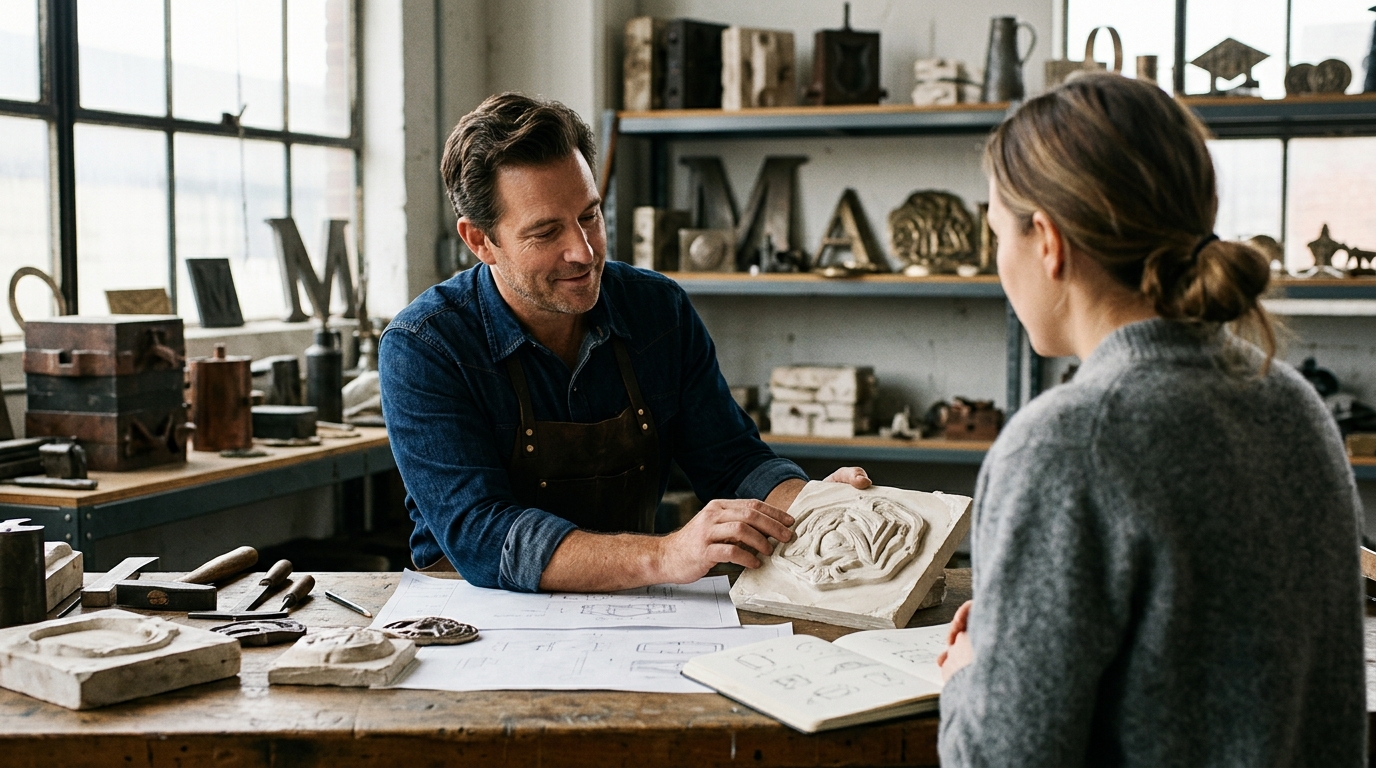
Custom metal casting is a specialized manufacturing process that transforms raw designs into tangible, high-value assets. According to industry data, the global metal casting market is projected to reach significant growth by 2030, driven by demand for precision components in diverse sectors. This guide outlines the precise workflow for ordering custom castings from a reputable American manufacturer, ensuring your project meets the highest standards of quality and durability.
Understanding Casting Processes
Before initiating an order, it is essential to understand the fundamental mechanics of metal casting. Metal casting is the process of pouring molten metal into a mold to create a specific shape. This method allows for the creation of complex geometries that are difficult or impossible to achieve with machining alone.
For custom projects such as medallions, buckles, and lapel pins, manufacturers often utilize specific techniques to ensure fine detail and surface finish. The choice of process impacts the final cost, lead time, and aesthetic quality of the piece. American manufacturers typically adhere to strict environmental and safety standards, ensuring that the casting process is both efficient and responsible.
Understanding these processes helps clients communicate their needs effectively. Whether you require a single prototype or a large-scale production run, the underlying principles of mold making and metal flow remain consistent. This knowledge empowers you to make informed decisions about your project specifications.
Design and Engineering Requirements
The success of any custom casting project begins with a robust design. Design for manufacturability is the practice of creating designs that can be easily and efficiently produced. This involves considering factors such as draft angles, wall thickness, and material shrinkage rates.
Providing Accurate Specifications
When submitting a design to a manufacturer, providing high-resolution files is critical. Vector graphics are preferred for logos and text to ensure crisp edges. For three-dimensional objects, CAD files or detailed 3D models allow engineers to analyze the part for potential casting defects.
Manufacturers like Mountain Medallion offer professional design services to assist clients who may not have technical drawings. These services bridge the gap between a conceptual idea and a production-ready blueprint. Collaborating with experienced designers early in the process can prevent costly errors and reduce revision cycles.
Prototyping and Sampling
For new projects, requesting a physical sample or prototype is highly recommended. This allows you to evaluate the scale, weight, and finish before committing to a full production run. Prototyping ensures that the final product aligns with your expectations and brand standards.
Material Selection and Properties
The choice of metal significantly influences the appearance, durability, and cost of the final product. Common materials used in custom casting include bronze, brass, zinc, and aluminum. Each material offers distinct advantages depending on the application.
Comparing Common Casting Materials
| Material | Key Characteristics | Best Use Case |
|---|---|---|
| Bronze | High durability, rich patina, excellent detail retention | Medallions, commemorative coins, outdoor sculptures |
| Brass | Gold-like appearance, corrosion resistant, good machinability | Lapel pins, buckles, decorative hardware |
| Zinc | Low melting point, high strength, cost-effective | High-volume buttons, zippers, small hardware |
| Aluminum | Lightweight, non-magnetic, excellent thermal conductivity | Automotive parts, aerospace components, lightweight fixtures |
Selecting the right material requires balancing aesthetic goals with functional requirements. For instance, if the item will be exposed to the elements, bronze or brass may be preferable due to their natural corrosion resistance. If weight is a concern, aluminum might be the optimal choice. Consulting with your manufacturer can help you navigate these trade-offs effectively.
The Quoting and Estimation Process
Obtaining an accurate quote is a critical step in the ordering workflow. Quotes are typically based on several factors, including material costs, mold complexity, labor, and finishing requirements.
Factors Influencing Cost
Tooling costs are the one-time expenses associated with creating the mold or die for production. These costs can be significant for complex parts but are amortized over the total quantity ordered. For smaller runs, the per-unit cost will be higher due to the fixed tooling expense.
Additionally, secondary operations such as polishing, plating, or enamel filling add to the overall cost. Manufacturers often provide detailed breakdowns to help clients understand where their budget is allocated. Transparency in pricing allows for better financial planning and decision-making.
Getting an Instant Estimate
Many modern manufacturers offer online tools for instant estimates. These tools allow you to input basic project details and receive a preliminary cost range immediately. This feature is particularly useful for initial budgeting and feasibility checks. You can access this tool directly through the Mountain Medallion website to get started quickly.
Production and Quality Assurance
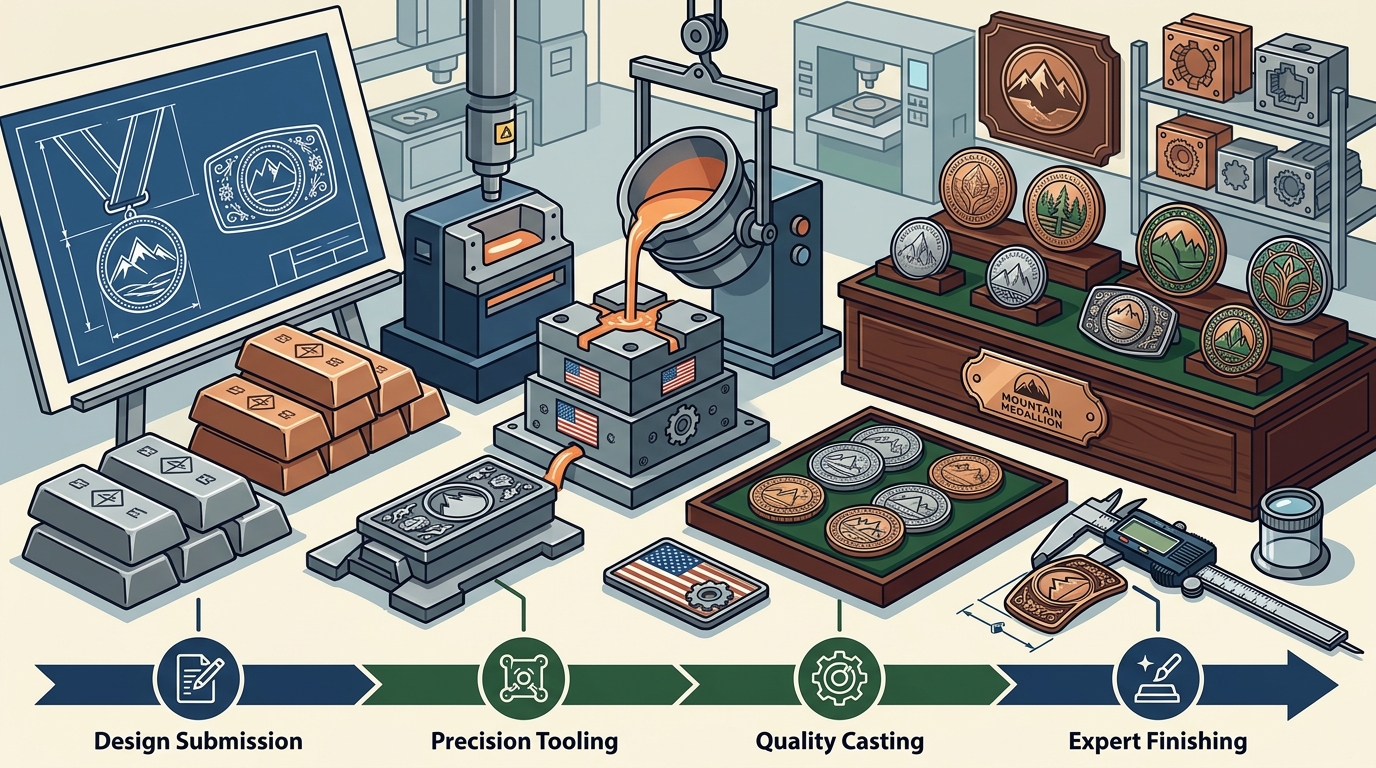
Once the design is approved and the quote is accepted, the production phase begins. This stage involves mold creation, metal pouring, cooling, and finishing. Quality assurance is integral to this process, ensuring that every piece meets the specified tolerances and aesthetic standards.
American Manufacturing Standards
Choosing an American manufacturer offers several advantages, including stricter regulatory compliance, faster shipping times, and better communication. Domestic production reduces the risk of supply chain disruptions and ensures that labor standards are met. Furthermore, supporting local businesses contributes to the regional economy and reduces the carbon footprint associated with international shipping.
Finishing and Plating Options
The final appearance of the casting is determined by the finishing process. Options include natural patina, polishing, antiquing, and various plating techniques such as gold, silver, or nickel. Each finish requires specific handling and care to maintain its integrity over time. Manufacturers provide guidance on maintenance to ensure the longevity of your custom items.
Key Takeaways
- Process Knowledge: Understanding the differences between casting methods helps in selecting the right technique for your project.
- Design Precision: High-quality CAD files or vector graphics are essential for accurate mold creation and final product fidelity.
- Material Impact: The choice of metal affects durability, appearance, and cost, so select based on the intended use.
- Tooling Costs: Be aware that initial mold costs are fixed, making larger production runs more cost-effective per unit.
- Domestic Advantage: American manufacturers offer superior quality control, regulatory compliance, and reduced lead times.
- Professional Support: Utilizing design services can streamline the process and prevent costly errors before production begins.
- Transparent Quoting: Detailed quotes help in budgeting and understanding the value proposition of each project component.
Frequently Asked Questions
What is the typical lead time for custom castings?
Lead times vary depending on the complexity of the design and the quantity ordered. Typically, the process from design approval to delivery can take several weeks. This includes time for mold creation, casting, and finishing. Rush services may be available for urgent projects.
Can I order a small quantity of custom castings?
Yes, many manufacturers accommodate small batch orders. While tooling costs are fixed, the per-unit price will be higher for smaller quantities. However, custom casting is viable for small runs, especially for high-value items like commemorative medallions.
How do I choose between bronze and brass?
Bronze is generally more durable and develops a natural patina over time, making it ideal for outdoor or long-term display items. Brass has a gold-like appearance and is often used for decorative hardware and pins. The choice depends on your aesthetic preferences and the item's intended environment.
What information do I need to provide to get a quote?
To receive an accurate quote, you should provide detailed design files, specify the desired material, indicate the quantity needed, and describe any special finishing requirements. The more information you provide, the more precise the estimate will be.
Do you offer design services for clients without technical drawings?
Yes, professional design services are available to help clients who have conceptual ideas but lack technical drawings. These services ensure that your design is optimized for manufacturing and meets all necessary specifications.
What are the environmental impacts of metal casting?
Metal casting can have environmental impacts, but reputable manufacturers adhere to strict regulations to minimize waste and emissions. Many facilities use recycled metals and implement sustainable practices to reduce their ecological footprint.
Is it possible to get a sample before full production?
Absolutely. Requesting a prototype or sample is a standard part of the process. This allows you to verify the quality, scale, and finish before committing to a full production run.
Start Your Project
Ordering custom castings from a trusted American manufacturer is a straightforward process when you have the right information. By understanding the design requirements, material options, and production workflow, you can ensure a successful outcome. Whether you are creating commemorative coins, custom buckles, or industrial components, precision and quality are paramount.
Take the first step toward bringing your vision to life. Visit the contact page to discuss your project with experts who have been delivering quality custom American-made castings since 1999. You can also explore contract sales for ongoing manufacturing needs or review the customer experience resources for additional support.