
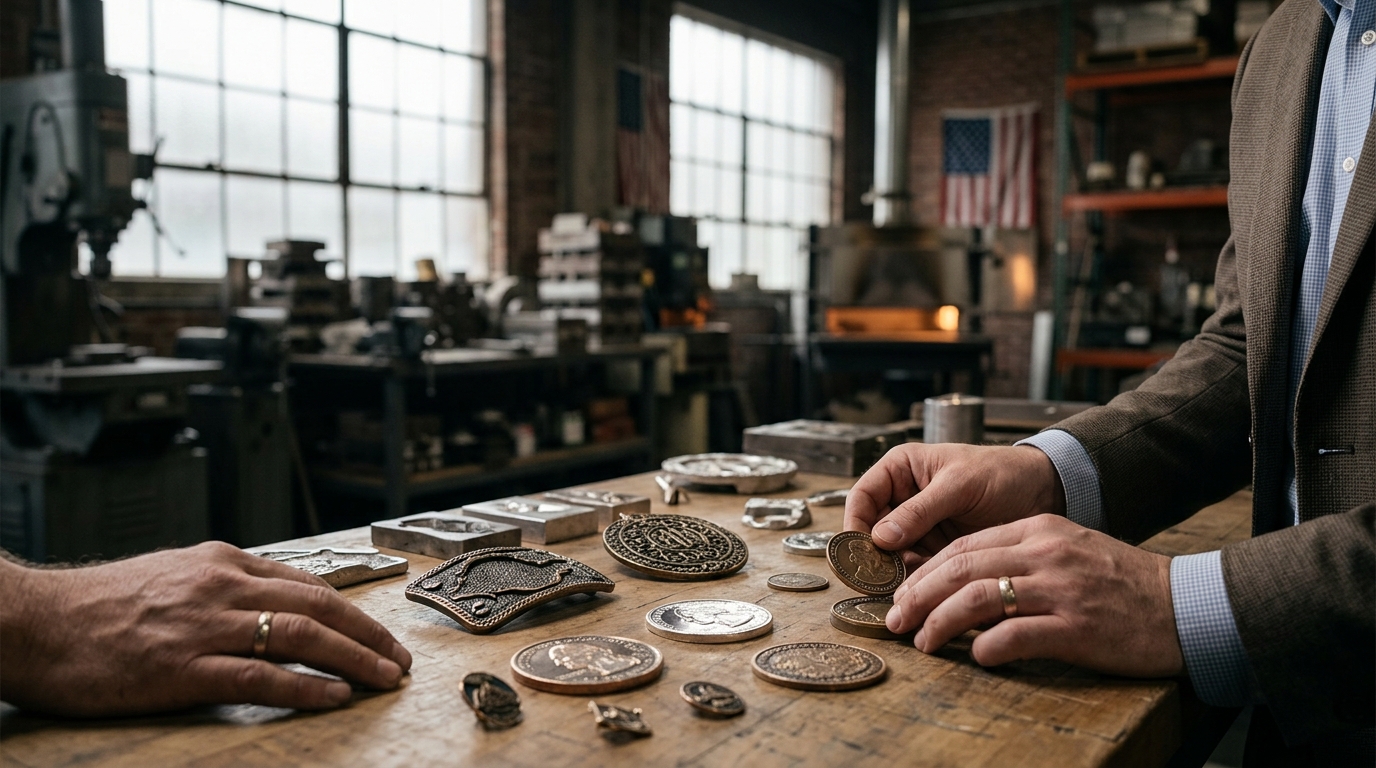
Custom metal casting is a foundational manufacturing process that transforms molten metal into precise, complex shapes. According to industry data, the global metal casting market is projected to reach significant valuation milestones by 2030, driven by demand in automotive, aerospace, and industrial sectors. This growth highlights the critical need for businesses to understand how to evaluate casting partners effectively. Choosing the right foundry impacts not only the final product's integrity but also the overall supply chain efficiency and cost structure. This guide provides a detailed framework for assessing custom casting services, ensuring you make informed decisions that align with your operational goals.
Understanding Casting Methods
The first step in evaluating a custom casting provider is understanding their technical capabilities. Different casting methods serve different purposes, and the right choice depends on your part's complexity, volume, and material requirements. Investment casting is a process where a wax pattern is coated in ceramic material to create a mold. This method allows for high precision and excellent surface finishes, making it ideal for intricate designs. Sand casting involves using sand as the mold material. It is cost-effective for larger parts and lower volumes but may require more post-processing. Die casting uses high-pressure injection of molten metal into steel molds. It is best suited for high-volume production of non-ferrous metals like aluminum and zinc.
When reviewing a foundry's capabilities, look for a diverse portfolio that matches your specific needs. A versatile partner can offer multiple methods, providing flexibility as your project evolves. For instance, Mountain Medallion specializes in custom castings that often require the precision of investment casting for detailed medallions and buckles. Their ability to handle small to medium batches with high fidelity is a key differentiator in the custom metal goods market.
Evaluating Material Quality
The integrity of the final product begins with the raw materials. A reputable foundry must provide detailed specifications for the metals they use, including alloy compositions and source certifications. Alloy composition refers to the specific mixture of metals and elements that determine the physical properties of the casting, such as strength, ductility, and corrosion resistance. For example, bronze alloys are often chosen for their durability and aesthetic appeal in decorative items, while stainless steel is preferred for industrial applications requiring high strength.
Ask potential partners about their material sourcing practices. Do they use recycled materials? Are the alloys certified to industry standards like ASTM or ISO? Transparency in material sourcing is crucial for compliance and quality control. Additionally, inquire about their melting and pouring processes. Consistent temperature control and proper degassing techniques are essential to prevent defects like porosity or inclusions. A foundry that prioritizes material quality will have strict protocols in place to ensure every batch meets exact specifications.
Design and Engineering Support
Successful custom casting projects often require close collaboration between the client and the foundry's engineering team. The ability to translate a concept into a manufacturable design is a critical service. Design for manufacturability (DFM) is the practice of designing products in a way that makes them easy and cost-effective to manufacture. A good partner will review your designs early in the process to identify potential issues, such as thin walls or sharp corners that could lead to cracking or incomplete filling.
Look for a foundry that offers comprehensive design services. This includes 3D modeling, prototyping, and simulation analysis. Simulation software can predict how molten metal will flow into the mold, allowing engineers to optimize gate and runner systems before production begins. This proactive approach reduces the risk of costly errors and delays. Mountain Medallion emphasizes precision craftsmanship, which relies heavily on expert design support to bring client visions to life. Their team works closely with customers to refine designs, ensuring that the final cast product matches the intended aesthetic and functional requirements.
Quality Assurance Protocols
Quality assurance (QA) is the backbone of any reliable casting operation. Without robust QA protocols, even the best designs can result in defective products. A top-tier foundry will have a multi-stage inspection process that includes visual inspection, dimensional verification, and material testing. Dimensional verification involves using precision measuring tools to ensure the casting meets the specified tolerances. This is particularly important for parts that need to fit into larger assemblies.
Inquire about the specific testing methods the foundry employs. Common tests include tensile testing, hardness testing, and non-destructive testing (NDT) methods like X-ray or dye penetrant inspection. These tests help identify internal defects that are not visible to the naked eye. A foundry that invests in advanced QA equipment and trained personnel demonstrates a commitment to delivering consistent, high-quality products. They should also provide detailed inspection reports with every shipment, giving you full visibility into the quality of your order.
Cost and Lead Times
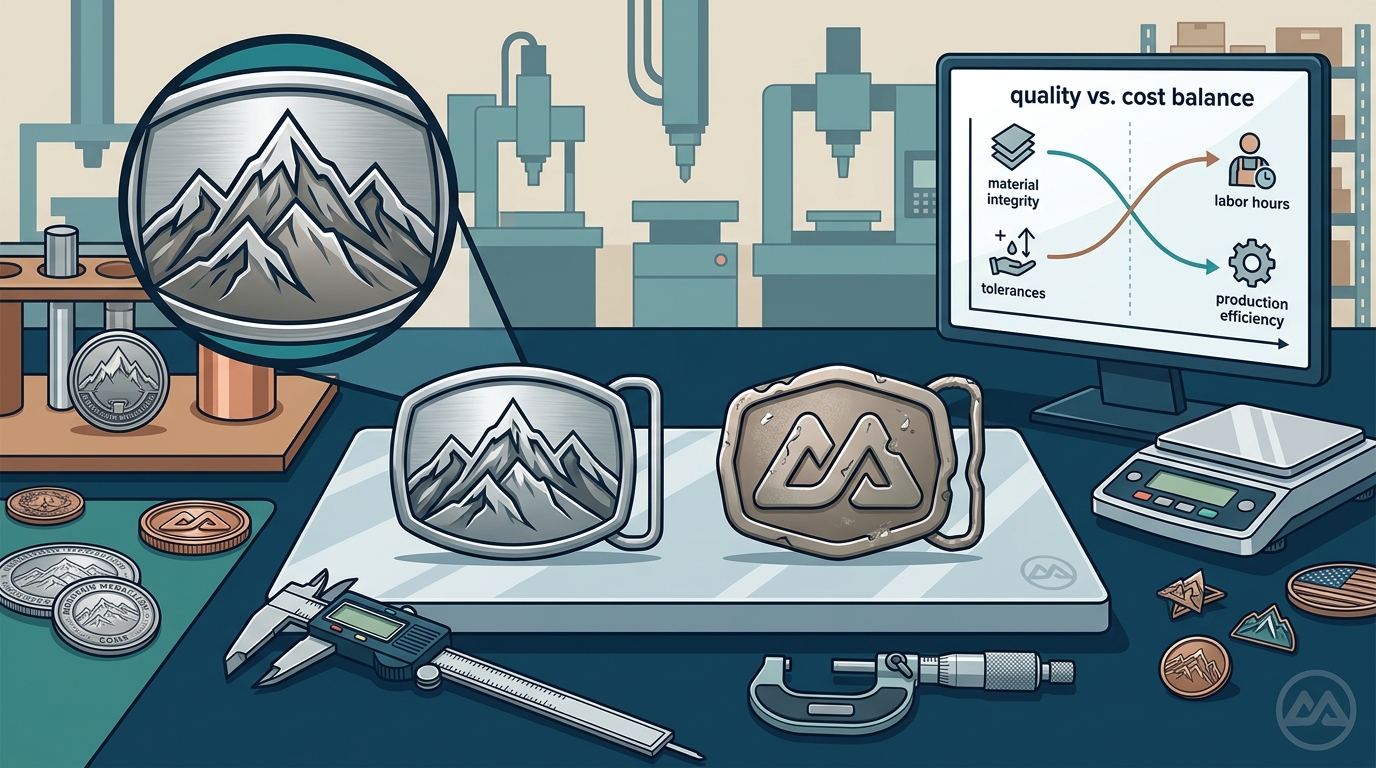
While quality is paramount, cost and lead times are also critical factors in vendor selection. The cost of custom casting is influenced by several variables, including material costs, mold complexity, labor, and finishing requirements. It is important to request detailed quotes that break down these costs. Be wary of quotes that seem unusually low, as they may indicate compromised quality or hidden fees.
Lead times can vary significantly based on the casting method and order volume. Investment casting, for example, often has longer lead times due to the labor-intensive nature of the process. However, it offers superior detail and finish. Sand casting may offer faster turnaround for larger parts. When evaluating partners, consider their ability to meet your timeline without sacrificing quality. A reliable foundry will provide realistic lead time estimates and keep you informed of any potential delays. Mountain Medallion offers contract sales options for businesses seeking consistent supply and competitive pricing for ongoing projects.
Comparison of Casting Services
| Service Type | Best For | Key Benefit | Typical Lead Time |
|---|---|---|---|
| Custom Medallions | High-detail decorative items | Superior surface finish | 2-4 weeks |
| Buckles & Hardware | Durable functional parts | Strong structural integrity | 3-5 weeks |
| Design Services | Prototyping & DFM | Optimized manufacturability | 1-2 weeks |
| Contract Sales | High-volume recurring orders | Cost efficiency & consistency | Varies by volume |
Key Takeaways
- Method Selection: Choose the casting method that best balances detail, cost, and volume requirements.
- Material Integrity: Verify alloy compositions and source certifications to ensure product durability.
- Engineering Support: Leverage DFM services to optimize designs and reduce production risks.
- QA Rigor: Demand detailed inspection reports and advanced testing protocols.
- Cost Transparency: Request itemized quotes to understand all cost drivers.
- Vendor History: Partner with established foundries like Mountain Medallion, which has provided quality custom American-made castings since 1999.
- Communication: Maintain open lines of communication throughout the project lifecycle.
Frequently Asked Questions
What is the difference between investment casting and sand casting?
Investment casting uses a wax pattern and ceramic mold to achieve high precision and smooth finishes, ideal for intricate parts. Sand casting uses sand molds, which are more cost-effective for larger parts and lower volumes but may require more finishing.
How do I choose the right metal alloy for my project?
The choice of alloy depends on the desired properties such as strength, weight, corrosion resistance, and aesthetic appeal. Consult with your foundry's engineering team to select the best material for your specific application.
What is Design for Manufacturability (DFM)?
DFM is the practice of designing products in a way that makes them easy and cost-effective to manufacture. It helps identify potential production issues early, reducing costs and lead times.
Does Mountain Medallion offer prototyping services?
Yes, Mountain Medallion provides design and prototyping services to help clients visualize and refine their custom casting projects before full-scale production begins.
What are the typical lead times for custom castings?
Lead times vary based on the complexity of the design, the casting method, and the order volume. Typically, custom projects can take anywhere from two to six weeks. Contact Mountain Medallion for a specific estimate.
How can I ensure the quality of my custom castings?
Ensure quality by choosing a foundry with robust QA protocols, including dimensional verification and material testing. Request detailed inspection reports with your order to verify compliance with specifications.
What is the minimum order quantity for custom castings?
Minimum order quantities depend on the foundry and the complexity of the part. Many custom foundries, including Mountain Medallion, accommodate a wide range of order sizes, from small batches to large production runs.
Get Your Custom Quote
Evaluating custom metal casting partners requires a careful assessment of their technical capabilities, quality assurance protocols, and service offerings. By understanding these key factors, you can make informed decisions that ensure the success of your project. Whether you need intricate medallions, durable hardware, or custom industrial components, partnering with an experienced foundry is essential. Contact Mountain Medallion today to discuss your next custom casting project and receive a personalized quote.