
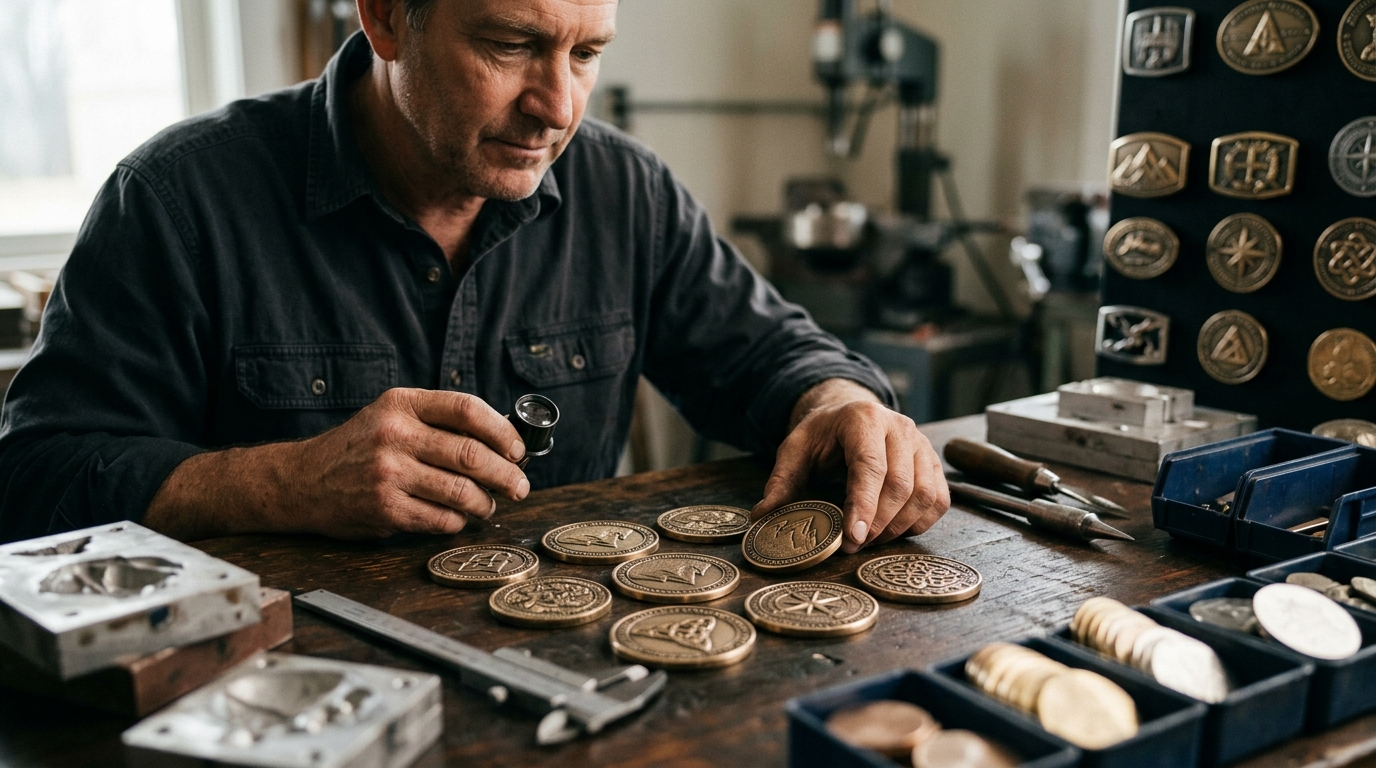
Custom challenge coins have evolved from simple military tokens into sophisticated pieces of metallurgical art that require rigorous quality control. According to industry data, the precision of the die-striking process directly correlates with the perceived value of the final product, making material selection and manufacturing tolerances critical for any organization seeking premium results. When you commission a custom piece, you are not just buying metal; you are investing in a legacy of craftsmanship that must withstand decades of handling and display. (https mountainmedallion com customer)
Material Selection and Metallurgy
The foundation of any high-quality challenge coin lies in the raw metal used. Data from the National Medallic Arts Association indicates that zinc and copper alloys remain the industry standard for their balance of cost, weight, and malleability. However, the specific grade of metal determines the coin's durability and its ability to hold fine details during the stamping process. (https mountainmedallion com customer)
Brass and Bronze Alloys
Brass is a copper-zinc alloy that offers a bright, gold-like appearance. It is highly malleable, allowing for intricate designs without cracking. Bronze, a copper-tin alloy, provides a darker, more antique aesthetic that is popular for historical or military-themed coins. Both materials are essential for creating coins that feel substantial in the hand. (https mountainmedallion com faq)
Silver and Gold Plating
For premium tiers, base metals are often plated with precious metals. According to the United States Mint, the purity of the plating affects both the visual appeal and the resistance to tarnish. High-quality plating ensures that the coin maintains its luster even after years of circulation.
The Die-Striking Process
The method used to form the coin is the single most important factor in determining its quality. Research from the American Numismatic Association shows that die-struck coins are significantly more durable and detailed than cast or printed alternatives.
Die-Struck vs. Cast Coins
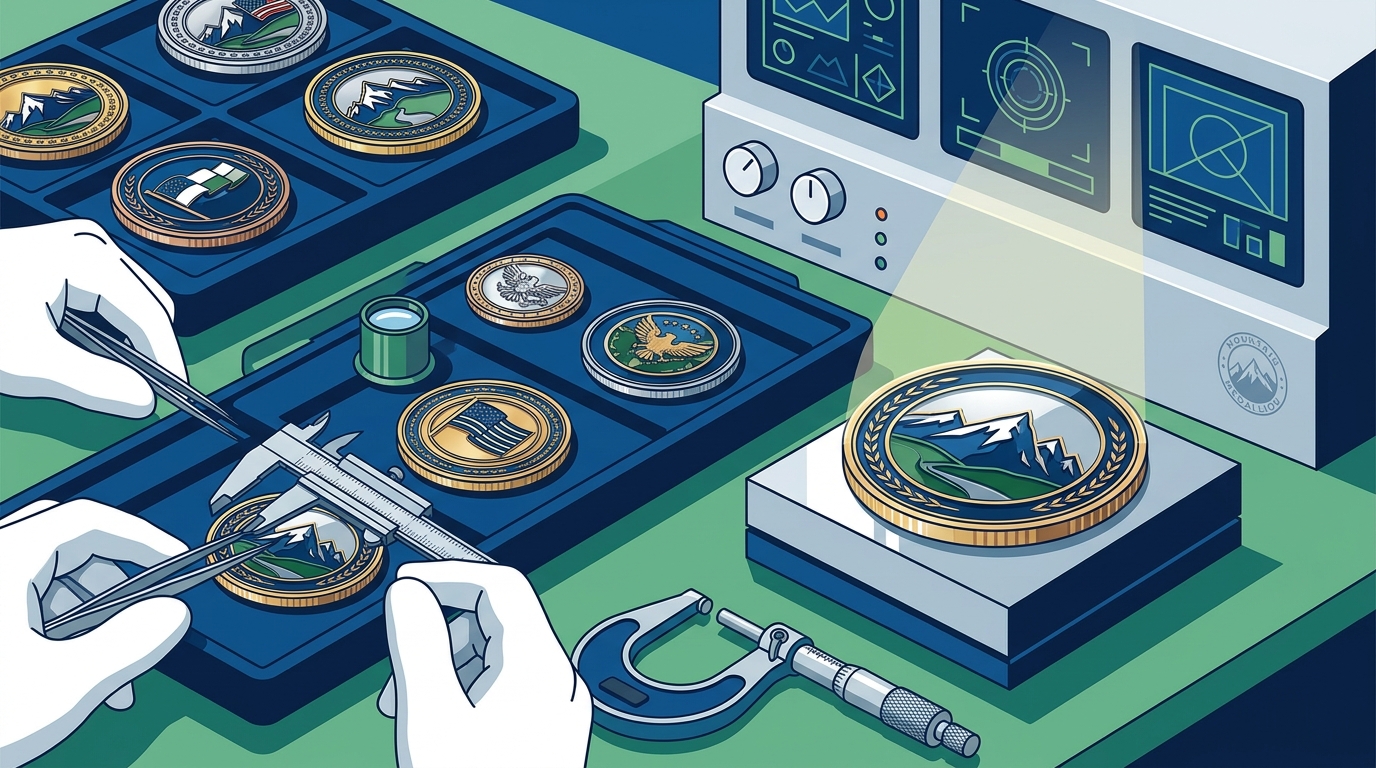
Die-struck coins are created by forcing a metal blank between two heavy steel dies under immense pressure. This process creates a raised relief that is sharp and distinct. In contrast, cast coins are poured into molds, which often results in softer details and a less substantial feel. For a coin to be considered premium, it must be die-struck.
Tolerance and Precision
High-quality manufacturers maintain tight tolerances on the depth of the strike. According to ISO standards for metal stamping, consistent pressure ensures that every coin in a batch is identical. This precision is vital for coins that will be stacked, displayed, or used in formal ceremonies.
Plating Standards and Durability
Plating is not merely a cosmetic addition; it is a protective layer that defines the coin's longevity. Data from the International Society for Surface Finishing highlights that the thickness of the plating, measured in microns, directly impacts resistance to wear and corrosion.
Gold and Silver Plating Thickness
Standard plating may wear off quickly with heavy use. Premium coins often feature thicker plating layers to ensure that the base metal does not show through over time. This is particularly important for coins that are handled frequently during presentations or ceremonies.
Anti-Tarnish Coatings
High-quality manufacturers apply clear anti-tarnish coatings to protect the metal surface. According to NACE International, these coatings significantly extend the life of the coin by preventing oxidation. This step is essential for maintaining the coin's appearance in various environmental conditions.
Enamel and Color Application
Color adds depth and identity to a challenge coin. The method of application determines the texture and durability of the finish. Data from the American Coatings Association shows that enamel paints are preferred for their durability and vibrant color retention.
Hard Enamel vs. Soft Enamel
Hard enamel is polished flat to create a smooth, glass-like surface. Soft enamel leaves the recessed areas lower than the raised metal, creating a textured, tactile experience. Both methods are valid, but the choice depends on the desired aesthetic and budget.
Color Matching Accuracy
Precise color matching is critical for brand representation. According to the International Color Consortium, using standardized color systems like Pantone ensures that the final product matches the client's vision exactly. This accuracy is vital for corporate or organizational branding.
Comparing Manufacturing Options
Understanding the differences between manufacturing methods helps in making an informed decision. The table below summarizes the key distinctions.
| Feature | Die-Struck | Cast | Printed |
|---|---|---|---|
| Detail Sharpness | High | Medium | Low |
| Durability | Very High | Medium | Low |
| Weight | Substantial | Light | Very Light |
| Cost | Higher | Medium | Lower |
Key Takeaways
- Die-Striking is Essential: Only die-struck coins offer the sharp detail and substantial weight required for premium quality.
- Material Matters: Brass and bronze alloys provide the best balance of durability and aesthetic appeal for custom coins.
- Plating Thickness: Thicker plating layers ensure longer-lasting luster and resistance to wear.
- Color Accuracy: Standardized color matching systems are critical for maintaining brand integrity.
- Anti-Tarnish Protection: Clear coatings significantly extend the lifespan of the coin's finish.
- Historical Context: Mountain Medallion has been producing quality custom American-made castings since 1999, ensuring decades of experience in the field.
- Design Services: Professional design assistance can help refine your concept for optimal manufacturing results.
Frequently Asked Questions
What is the difference between die-struck and cast coins?
Die-struck coins are formed by pressing metal between heavy dies, creating sharp details and a substantial feel. Cast coins are poured into molds, resulting in softer details and a lighter weight.
How thick should the plating be for a premium coin?
Premium coins typically feature thicker plating layers to ensure durability and resistance to tarnish. The exact thickness depends on the specific requirements of the project.
Can you match specific brand colors?
Yes, high-quality manufacturers use standardized color systems like Pantone to ensure precise color matching for your custom coin.
What materials are best for custom challenge coins?
Brass and bronze are the most common materials due to their durability and aesthetic appeal. Silver and gold plating can be added for premium tiers.
How long does the manufacturing process take?
The timeline varies based on the complexity of the design and the quantity ordered. Mountain Medallion provides estimated timelines during the quoting process.
Do you offer design services?
Yes, Mountain Medallion offers design services to help bring your vision to life. You can view our design services for more details.
What is the minimum order quantity?
Minimum order quantities vary depending on the manufacturing method and materials used. Contact us for specific requirements.
Start Your Project
Ready to create a custom challenge coin that meets the highest quality standards? Mountain Medallion specializes in precision craftsmanship and American-made production. Contact us today to discuss your project and receive a detailed quote. We look forward to helping you bring your design to life.