
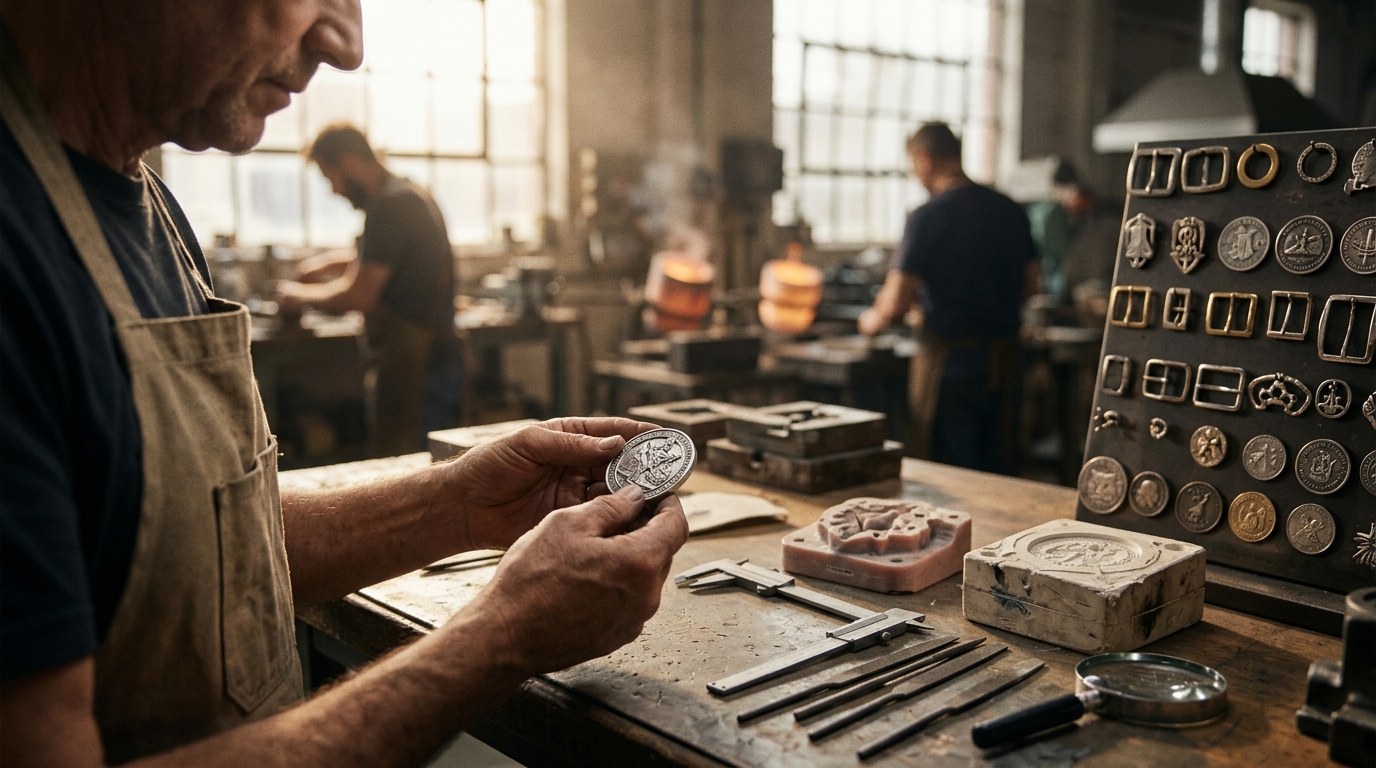
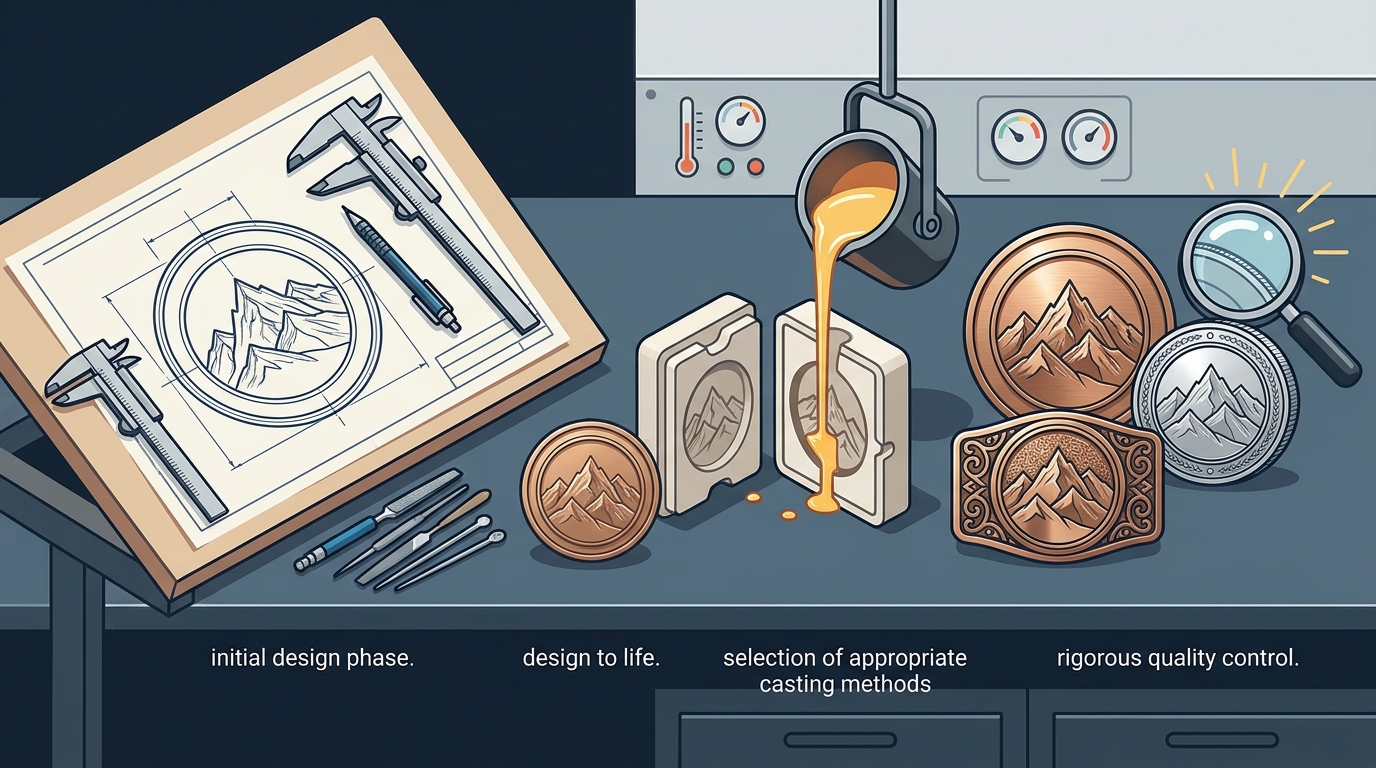
Creating high-quality custom castings is a complex process that demands precision, material expertise, and rigorous quality control. According to industry standards for metal fabrication, successful outcomes rely heavily on the initial design phase and the selection of appropriate casting methods. This guide outlines the critical steps to ensure your custom metal projects meet the highest standards of durability and aesthetic appeal.
Understanding Casting Methods
The foundation of any successful custom casting project lies in selecting the right manufacturing process. Different methods offer varying levels of detail, surface finish, and cost efficiency. Understanding these distinctions is vital for project managers and designers alike.
Investment Casting
Investment casting, also known as lost-wax casting, is a highly precise method used for creating complex geometries. This process involves creating a wax model, coating it in ceramic, and then melting the wax away to leave a hollow mold. The result is a casting with excellent surface finish and dimensional accuracy. This method is particularly popular for custom medallions and intricate jewelry pieces where fine detail is paramount.
Die Casting
Die casting involves forcing molten metal into a mold cavity under high pressure. This method is ideal for high-volume production runs. It offers fast cycle times and consistent part quality. However, it is less suitable for low-volume custom projects due to the high cost of tooling. For businesses requiring large quantities of uniform metal parts, die casting provides significant economies of scale.
The Role of Design Precision
Design is not merely an aesthetic exercise; it is a functional requirement for successful casting. Poor design can lead to defects such as shrinkage, porosity, and incomplete filling of the mold. Professional design services ensure that the final product meets both visual and structural requirements.
Prototyping and Validation
Before committing to full-scale production, creating a prototype is essential. Prototyping allows for the verification of dimensions, fit, and finish. It also provides an opportunity to make necessary adjustments to the design. At Mountain Medallion, we emphasize the importance of rigorous design validation to prevent costly errors in the final casting stage.
Tolerance Management
Every casting process has inherent limitations regarding dimensional tolerance. Understanding these limits is crucial for engineers and designers. Tight tolerances may require additional machining or finishing steps, which can impact the overall cost and timeline. Clear communication between the designer and the foundry is key to managing expectations and ensuring a successful outcome.
Material Selection and Properties
The choice of material significantly influences the durability, weight, and appearance of the final product. Common materials used in custom casting include bronze, brass, zinc, and aluminum. Each material offers unique properties that make it suitable for specific applications.
Bronze Casting
Bronze is a classic choice for custom medallions and artistic pieces. It offers excellent corrosion resistance and a rich, warm color that ages beautifully over time. Bronze castings are often used for commemorative coins and awards due to their prestigious appearance and longevity.
Brass Casting
Brass is known for its golden hue and high malleability. It is easier to cast than bronze and offers good acoustic properties, making it suitable for musical instruments and decorative hardware. Brass is also highly resistant to corrosion, ensuring that the final product maintains its luster for years.
Zinc and Aluminum Options
Zinc and aluminum are popular for die casting applications due to their lower melting points and fluidity. These materials are ideal for producing large, complex parts with thin walls. They are also cost-effective for high-volume production runs, making them a preferred choice for industrial components.
Quality Control and Finishing
Quality control is the final safeguard against defects in custom casting. It involves inspecting the castings for dimensional accuracy, surface integrity, and material composition. Rigorous quality control ensures that every piece meets the specified standards.
Surface Finishing Techniques
Surface finishing enhances the appearance and durability of the casting. Common techniques include polishing, plating, and patina application. Polishing creates a smooth, reflective surface, while plating adds a protective layer of another metal, such as gold or silver. Patina application involves chemically treating the surface to create a specific color or texture, often used for artistic effects.
Inspection Protocols
Inspection protocols vary depending on the application and industry standards. Non-destructive testing methods, such as X-ray and dye penetrant testing, are used to detect internal defects. Visual inspection is also critical for assessing surface quality and dimensional accuracy. At Mountain Medallion, we adhere to strict quality control measures to ensure the highest standards of craftsmanship.
Comparison of Casting Options
The following table summarizes the key characteristics of different casting methods to help you make an informed decision.
| Casting Method | Best For | Detail Level | Cost Efficiency | Lead Time |
|---|---|---|---|---|
| Investment Casting | Complex geometries, high detail | Very High | Low Volume | Medium |
| Die Casting | High volume, uniform parts | High | High Volume | Short |
| Sand Casting | Large parts, low volume | Medium | Low Volume | Long |
| Lost Foam Casting | Complex shapes, minimal machining | High | Medium Volume | Medium |
Key Takeaways
- Design is Critical: Precise design and prototyping are essential for avoiding defects and ensuring a successful casting outcome.
- Material Matters: Choose materials like bronze or brass based on the desired aesthetic and functional properties of the final product.
- Method Selection: Investment casting is ideal for high-detail, low-volume projects, while die casting suits high-volume production.
- Quality Control: Rigorous inspection and finishing protocols are necessary to meet industry standards and customer expectations.
- Expert Partnership: Working with an experienced foundry like Mountain Medallion ensures professional guidance throughout the process.
- Historical Context: Custom casting has been a cornerstone of manufacturing since 1999, evolving with technology to meet modern demands.
- Cost Efficiency: Understanding the cost implications of different methods helps in budgeting and planning for custom projects.
Frequently Asked Questions
What is the difference between investment casting and die casting?
Investment casting is a low-volume process ideal for complex, high-detail parts, while die casting is a high-volume process suited for uniform, mass-produced components.
How long does the custom casting process take?
Lead times vary depending on the complexity of the design and the casting method. Investment casting typically takes longer due to the manual nature of the process, while die casting offers faster turnaround for large quantities.
Can you cast custom designs from sketches?
Yes, professional foundries can work from sketches, 3D models, or physical samples to create accurate custom castings. Our design services team can assist in refining your concept.
What materials are best for outdoor medallions?
Bronze and brass are excellent choices for outdoor medallions due to their superior corrosion resistance and ability to develop a protective patina over time.
How do I get a quote for a custom casting project?
You can request a quote by contacting us directly through our contact form or by calling us at 801.318.3726. Provide details about your design, material preference, and quantity for an accurate estimate.
What is the minimum order quantity for custom castings?
Minimum order quantities vary by method and material. Investment casting often has lower minimums, making it suitable for small batches, while die casting requires higher volumes to justify tooling costs.
Do you offer finishing services?
Yes, we provide comprehensive finishing services including polishing, plating, and patina application to enhance the appearance and durability of your custom castings.
Get Your Custom Quote
Ready to bring your custom casting project to life? Contact Mountain Medallion today for a professional consultation and instant estimate. Our team of experts is ready to help you achieve precision craftsmanship and exceptional quality.