
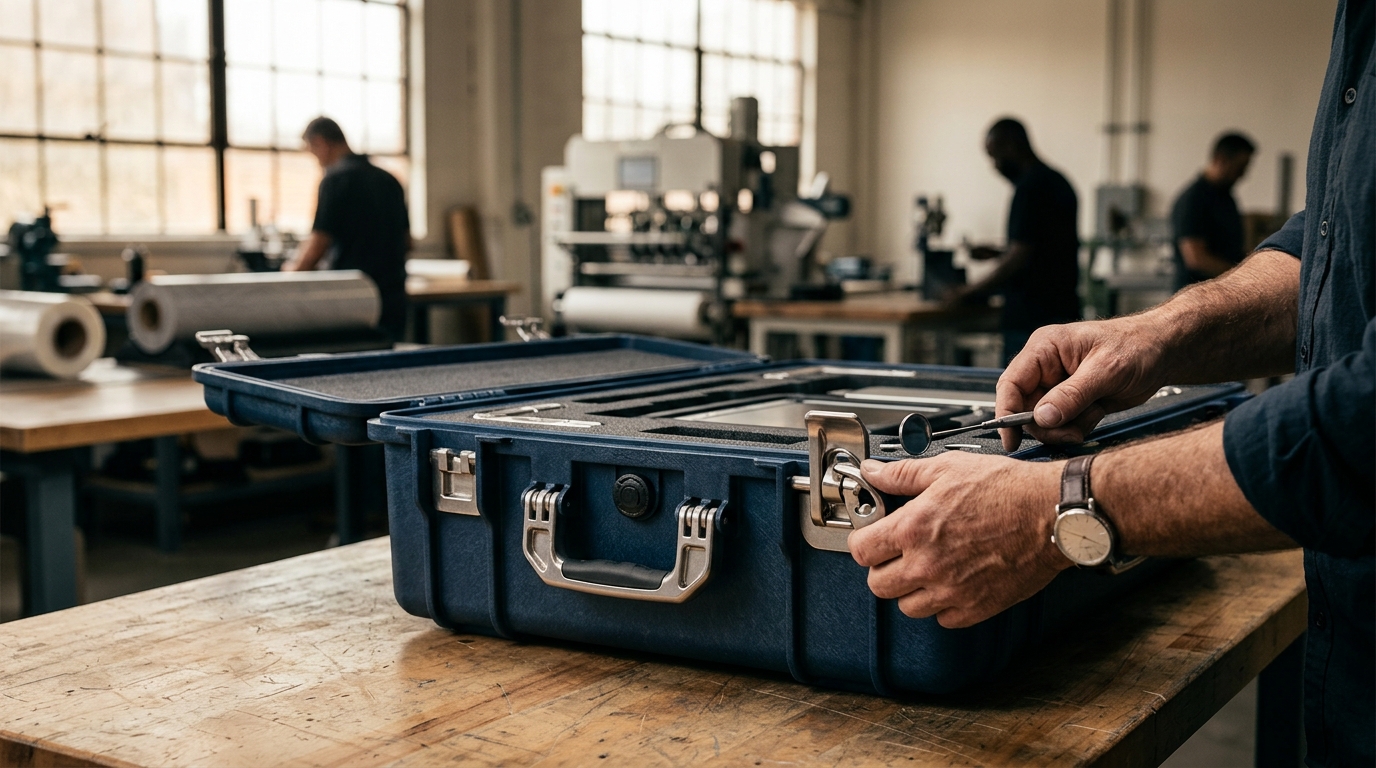
Custom Metal Castings for Case Manufacturing: Precision & Durability
The global market for ruggedized equipment cases is projected to exceed $4 billion by 2027, driven by the increasing demand for secure transport of sensitive electronics and industrial tools. Industry reports indicate that manufacturers are shifting away from standard injection molding for high-stress components in favor of custom metal castings. This transition ensures that critical hardware meets rigorous durability standards while maintaining precise dimensional tolerances. For brands requiring bespoke protective enclosures, the integration of high-quality cast components is no longer optional but essential for long-term product integrity. (https mountainmedallion com customer)
Understanding Casting Processes for Cases
Custom metal casting involves pouring molten metal into a mold to create specific shapes. In the context of case manufacturing, this process allows for complex geometries that are difficult or impossible to achieve with machining alone. The precision of the cast determines the fit of internal components and the overall structural integrity of the final product.
Sand Casting vs. Die Casting
Sand casting is often preferred for large, heavy-duty cases due to its ability to handle massive volumes of metal. This method uses a sand mold that can be easily modified for design changes. Conversely, die casting involves forcing molten metal into a steel mold under high pressure. This results in smoother surfaces and tighter tolerances, making it ideal for smaller, intricate case components like latches or hinges.
Mountain Medallion specializes in quality custom American-made castings that bridge the gap between these two methods. By leveraging decades of experience, we ensure that each casting meets the exact specifications required for your case design. Our team brings over two decades of expertise to every project, ensuring that your custom parts are produced with the highest level of craftsmanship.
Material Selection for Rugged Enclosures
The choice of metal significantly impacts the weight, strength, and corrosion resistance of your case. Common materials include aluminum, zinc, and brass, each offering distinct advantages depending on the application.
Aluminum is lightweight and resistant to rust, making it a popular choice for aerospace and outdoor equipment cases. Zinc alloys offer excellent fluidity, allowing for fine details to be captured in the casting. Brass provides superior acoustic and electrical properties, often used in high-end audio equipment cases or military applications.
When selecting a material, consider the environmental conditions your case will face. Technical data shows that aluminum alloys can maintain strength at high temperatures, while zinc provides better damping characteristics for vibration-sensitive equipment. Mountain Medallion works closely with clients to select the optimal alloy for their specific use case.
Integrating Design Services
Successful case manufacturing begins with a robust design phase. Our design services ensure that your concept is translated into a manufacturable product without compromising on aesthetics or function.
Prototyping and Validation
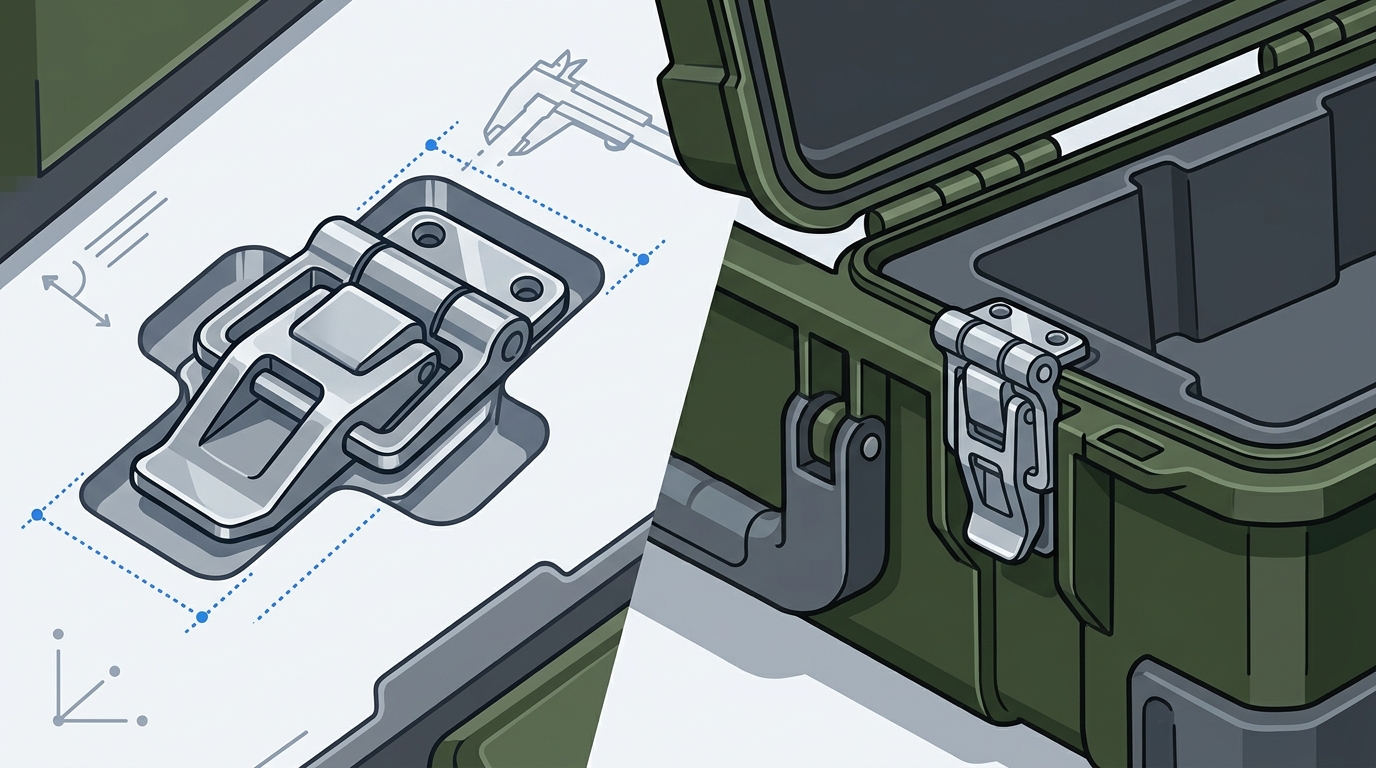
Before full-scale production, we recommend creating prototypes to validate the fit and finish of your case components. This step helps identify potential issues early in the process, reducing the risk of costly errors during mass production. Our design team provides detailed feedback on draft angles, wall thickness, and gate locations to optimize the casting process.
We understand that every project is unique. Our design experts collaborate with you to refine your ideas, ensuring that the final product aligns with your brand identity and functional requirements. This collaborative approach minimizes revisions and accelerates time-to-market.
Comparison of Casting Methods
Choosing the right casting method is critical for balancing cost, quality, and production volume. The table below outlines the key differences between common casting techniques used in case manufacturing.
| Method | Best For | Surface Finish | Cost Efficiency |
|---|---|---|---|
| Sand Casting | Large, complex parts | Standard | High for low volume |
| Die Casting | High volume, intricate details | Smooth | High for high volume |
| Investment Casting | Precision, complex geometries | Very Smooth | Medium |
Each method has its own set of advantages and limitations. Industry standards suggest that investment casting is often the best choice for high-precision components, while die casting is more economical for large production runs. Mountain Medallion offers a range of casting options to suit your specific needs.
Key Takeaways
- Custom metal castings provide superior durability and precision for rugged case manufacturing.
- Material selection, such as aluminum or zinc, depends on weight and strength requirements.
- Prototyping is essential for validating design and preventing production errors.
- Mountain Medallion has been providing quality custom American-made castings since 1999.
- Design services help optimize parts for manufacturability and cost-efficiency.
- Die casting is ideal for high-volume production, while sand casting suits larger parts.
- Collaborative design processes reduce time-to-market and improve final product quality.
Frequently Asked Questions
What is the minimum order quantity for custom castings?
Mountain Medallion accommodates a wide range of order sizes, from prototype runs to large-scale production. We work with you to determine the most cost-effective approach for your specific volume needs.
How long does the casting process take?
Lead times vary depending on the complexity of the design and the chosen material. Typically, prototype casting can be completed within a few weeks, while full production may take longer. Our contract sales team provides detailed timelines during the quoting process.
Can you cast complex geometries?
Yes, our expertise in investment and sand casting allows us to produce highly complex geometries with intricate details. Our design services ensure that these complexities are manufacturable without compromising quality.
What materials do you specialize in?
We specialize in a variety of metals, including aluminum, zinc, brass, and bronze. Our team helps you select the best material based on your functional and aesthetic requirements.
Do you offer finishing services?
While our primary focus is on high-quality casting, we can recommend finishing partners for plating, painting, or powder coating to meet your specific aesthetic needs.
How do I get a quote for my project?
You can request a quote by using our contact form or calling us directly. Providing detailed specifications and drawings will help us provide an accurate estimate quickly.
What is the difference between sand and die casting?
Sand casting uses a sand mold and is better for larger, less complex parts. Die casting uses a steel mold and is ideal for high-volume production of smaller, intricate parts with smooth finishes.
Get Your Custom Quote
Ready to bring your case design to life? Contact Mountain Medallion today for a free consultation and estimate. Our team is ready to help you achieve the perfect balance of form and function. Visit our contact page to start your project.