

Choosing the right custom casting partner is rarely about finding the lowest price. It is about identifying the vendor that delivers the highest return on investment through precision, reliability, and material integrity. According to industry data, businesses that prioritize value over initial cost savings in manufacturing often see a 20% reduction in downstream waste and rework. This guide explores how to evaluate custom casting vendors by analyzing the complex interplay between pricing models, material quality, and production timelines.
Understanding Casting Methods and Their Cost Impact
The foundation of any cost-value analysis begins with the casting method itself. Different techniques offer distinct advantages regarding detail resolution, surface finish, and production volume. Investment casting is a process where a wax pattern is coated in ceramic slurry to create a mold, which is then melted out and replaced with molten metal. This method allows for exceptional detail and is ideal for complex geometries found in medallions, buckles, and intricate hardware.
Conversely, die casting involves forcing molten metal into a mold cavity under high pressure. This method is faster and more cost-effective for high-volume production runs but may lack the fine artistic detail required for custom collectibles or commemorative items. Understanding these technical distinctions is crucial because the wrong method can lead to excessive finishing costs or structural weaknesses.
When evaluating vendors, ask about their specific capabilities in both areas. A vendor specializing in design services often provides better guidance on which method balances your aesthetic requirements with your budget. For instance, a vendor with decades of experience, such as Mountain Medallion, leverages long-standing relationships with foundries to optimize these trade-offs effectively.
Material Selection Strategies for Budget Optimization
Material costs constitute a significant portion of the final price. However, the choice of metal extends beyond raw commodity prices. It includes processing fees, plating requirements, and durability factors. Aluminum is a lightweight, corrosion-resistant metal often used for large-scale architectural hardware or promotional items where weight is a concern. It is generally less expensive than bronze or brass but may require additional coating for aesthetic longevity.
Brass and bronze are premium materials favored for their rich patina and historical association with quality. They command higher raw material costs but offer superior durability and a prestigious finish that enhances the perceived value of the final product. For example, custom coins and medallions often utilize these metals to convey authority and tradition.
Strategic material selection involves balancing the end-use environment with the budget. If the item will be exposed to harsh weather, a higher initial investment in stainless steel or coated bronze may prevent costly replacements later. Always request material certifications from your vendor to ensure you are receiving the grade of metal you are paying for.
The Vendor Vetting Process: Quality vs. Speed
Speed of delivery is a critical factor in project planning, but it often comes at a premium. Rush fees can increase project costs by 25% to 50% depending on the complexity of the tooling required. A reliable vendor will provide transparent timelines based on the current production queue and the intricacy of the design.
When vetting vendors, look for those with a proven track record of on-time delivery. Customer experience metrics, such as response time and problem resolution efficiency, are strong indicators of a vendor's operational health. A vendor who communicates proactively about potential delays is often more valuable than one who promises unrealistic deadlines.
Additionally, consider the vendor's location and logistical capabilities. Domestic vendors, particularly those in the United States, may offer faster shipping times and easier communication for iterative design changes. This can reduce the risk of costly errors caused by miscommunication. For businesses requiring contract sales and long-term partnerships, a domestic vendor provides greater supply chain security.
Analyzing Hidden Costs in Custom Projects
Beyond the unit price, several hidden costs can impact the total value of a custom casting project. These include tooling fees, design revisions, and post-processing requirements. Tooling costs are one-time expenses for creating the molds or dies. While high, they are amortized over the production run, making them less significant for large orders.
Design revisions are another area where costs can spiral. Vendors who offer design services may charge for initial concepts but include minor revisions in the base price. Clarify this policy upfront to avoid unexpected charges. Furthermore, consider the cost of finishing. Items requiring hand-polishing, antiquing, or specialized plating will incur additional labor costs.
Finally, evaluate the vendor's quality control processes. A vendor with rigorous inspection standards may charge slightly more per unit but will significantly reduce the risk of receiving defective goods. The cost of returns, rework, and customer dissatisfaction far outweighs the marginal savings from a cheaper, lower-quality vendor.
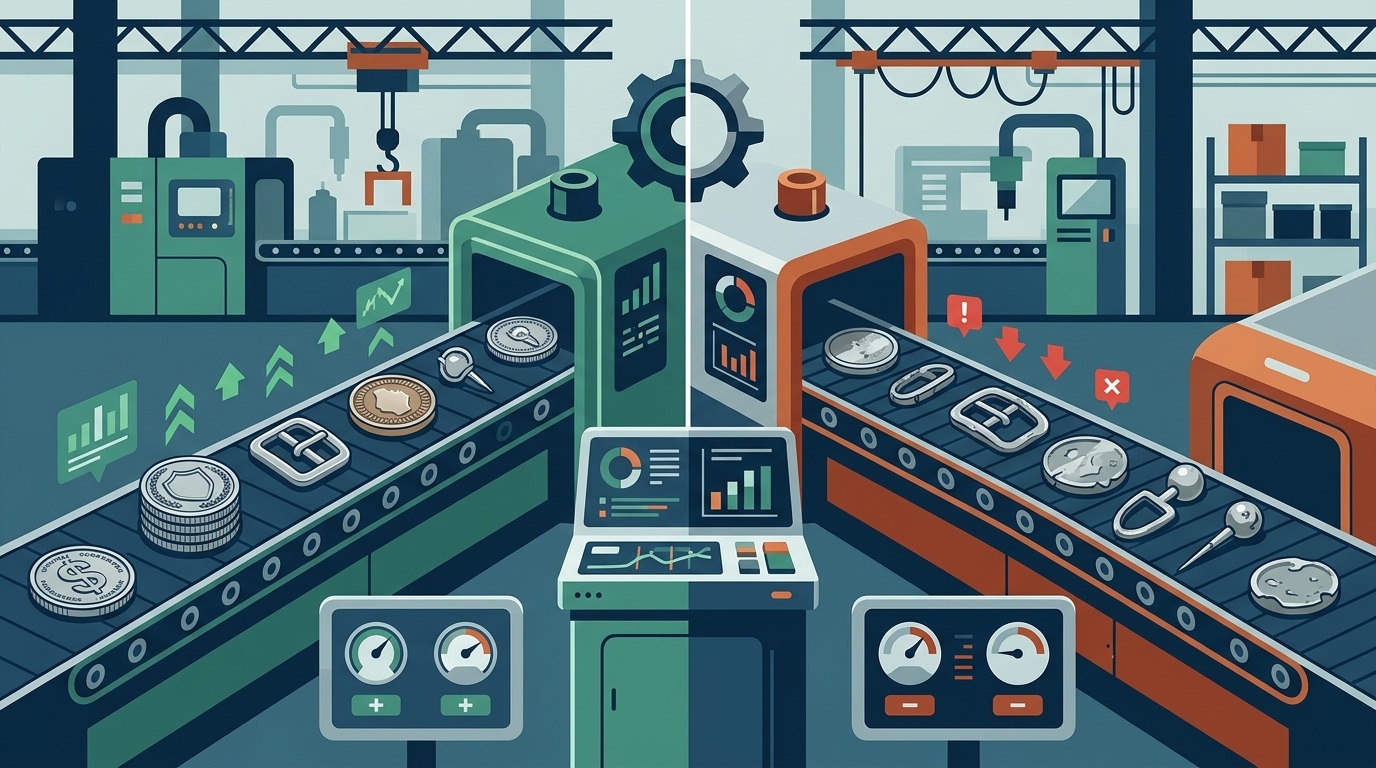
Vendor Service Comparison Matrix
The following table summarizes key service dimensions to help you compare potential custom casting vendors.
| Service Dimension | Low-Cost Vendor | Premium Vendor (e.g., Mountain Medallion) | Impact on Value |
|---|---|---|---|
| Material Quality | Standard alloys, variable purity | Certified high-grade metals, consistent composition | Higher durability and brand prestige |
| Design Support | Minimal, client-provided files only | Expert design refinement and prototyping | Reduced errors and faster time-to-market |
| Production Volume | High-volume focus, low customization | Flexible from single prototypes to bulk runs | Scalability for growing businesses |
| Communication | Automated or delayed responses | Dedicated account management | Proactive issue resolution |
| Geographic Location | Often overseas, longer lead times | Domestic (USA), faster shipping | Supply chain reliability and security |
Key Takeaways
- Experience Matters: Vendors with over 25 years of experience, like those established in 1999, often have refined processes that reduce waste and improve consistency.
- Material Integrity: Always verify the grade of metal used. Premium materials like bronze and brass offer superior longevity for custom buckles and lapel pins.
- Design Collaboration: Utilizing a vendor's design services can prevent costly manufacturing errors before production begins.
- Domestic Advantages: Choosing a US-based manufacturer can significantly reduce shipping times and improve communication for iterative projects.
- Total Cost of Ownership: Evaluate the full lifecycle cost, including maintenance and durability, rather than just the initial unit price.
- Quality Control: Rigorous inspection standards are non-negotiable for high-value items like commemorative coins and medallions.
- Transparent Pricing: Seek vendors who provide detailed quotes that break down tooling, material, and labor costs clearly.
Frequently Asked Questions
What is the difference between investment casting and die casting?
Investment casting uses a wax pattern to create a ceramic mold, allowing for high detail and complex shapes, while die casting forces metal into a steel mold under pressure, offering faster production for simpler, high-volume parts.
How do material choices affect the cost of custom castings?
Premium metals like bronze and brass cost more initially but offer better durability and aesthetic appeal. Cheaper alternatives like aluminum may reduce upfront costs but might require additional finishing or coating.
Why is vendor experience important in custom casting?
Experienced vendors have optimized their processes over decades, reducing waste and improving quality control. This leads to more consistent products and fewer errors that can delay your project.
Can I get an instant estimate for a custom project?
Many vendors offer online tools for instant estimates based on standard parameters. However, for complex custom designs, a detailed quote from a specialist is recommended for accuracy.
What are the benefits of working with a domestic vendor?
Domestic vendors offer faster shipping, easier communication, and greater supply chain security. They also adhere to local labor and environmental regulations, which can be important for corporate social responsibility goals.
How long does the custom casting process typically take?
Timelines vary based on complexity and volume. Simple items may take a few weeks, while complex custom medallions can take several months. Always confirm lead times with your vendor.
What is the role of design services in custom casting?
Design services help translate your concepts into manufacturable files. This step is crucial for ensuring that the final product meets your aesthetic and functional requirements before production begins.
Start Your Custom Project
Ready to bring your vision to life with precision and quality? Contact Mountain Medallion today for a personalized quote. Our team of experts is ready to guide you through the design and production process, ensuring your custom castings meet the highest standards of excellence. Get an instant estimate online or call us at 801.318.3726 to discuss your next project.