
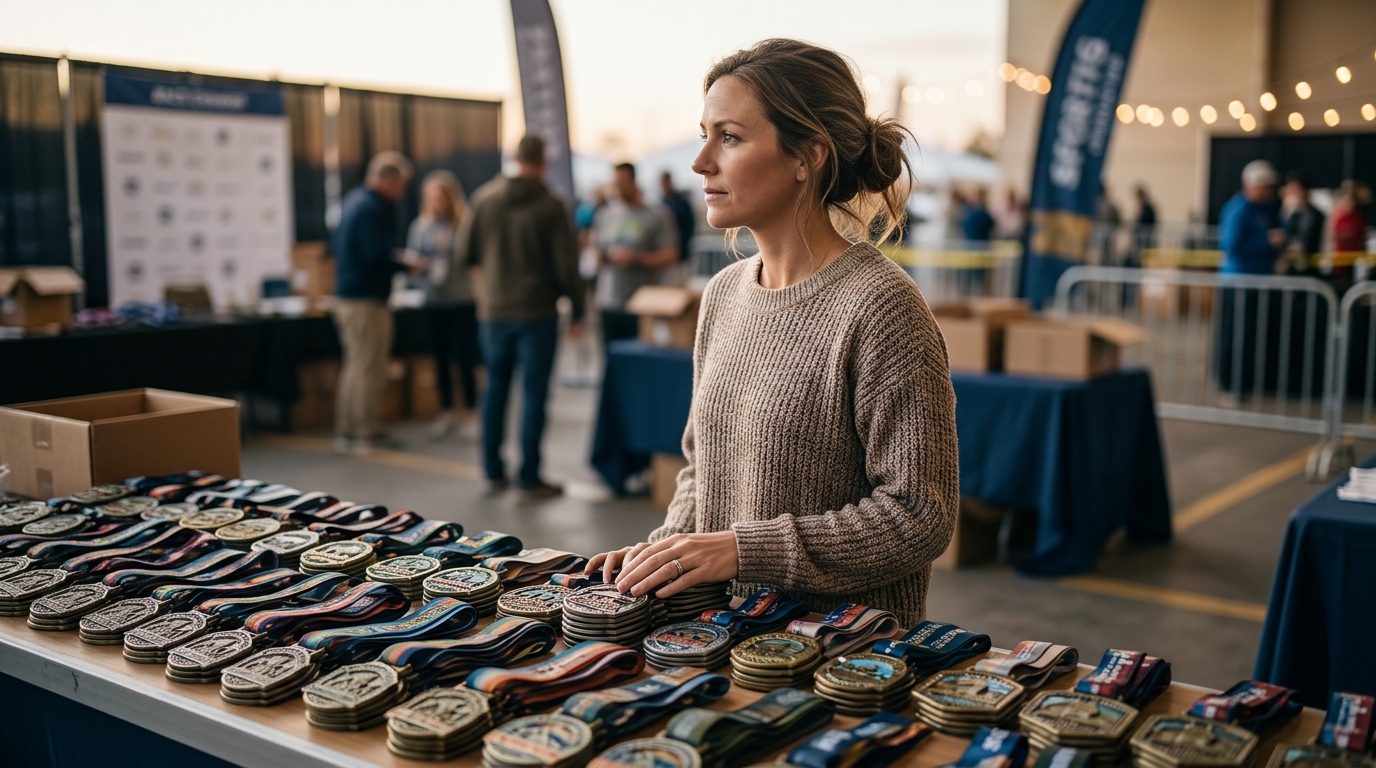
Organizing a 5K or marathon requires precise planning, and understanding production constraints is critical for success. Order minimums is the smallest quantity a manufacturer will produce for a specific custom design. These limits vary significantly based on the medal's material, finish, and complexity. Mountain Medallion helps event planners navigate these requirements with precision craftsmanship.
1. Standard Die-Struck Medals
Minimum: 100 to 500 units.
Standard die-struck medals are the most common type for large-scale running events. The manufacturing process involves creating a custom die, which requires a significant initial investment. Because of this setup cost, manufacturers typically require a baseline order to make the production run economically viable. Most suppliers set the floor at 100 pieces, though some may require up to 500 for complex designs. For additional details, review the customer.
2. 3D Cast Medals
Minimum: 50 to 100 units.
3. Engraved Medals
Minimum: 25 to 50 units.
Engraved medals are created by cutting a design into a metal surface, often using laser or mechanical methods. This technique is highly precise and does not require the creation of a separate mold or die. Consequently, the barrier to entry is lower, allowing for smaller production runs. This is ideal for finisher medals in small community runs or charity events. For additional details, review the customer.
4. Personalized Medals
Minimum: 10 to 25 units.
Personalized medals feature unique names or numbers on each piece, adding a premium touch to the runner's experience. Because each medal is individually customized, the production process is slower and more labor-intensive. Manufacturers often allow very low minimums for these items, sometimes as low as 10 pieces. This flexibility is perfect for VIP finishers or special recognition awards. For additional details, review the design.
5. Multi-Metal Medals
Minimum: 100 to 200 units.
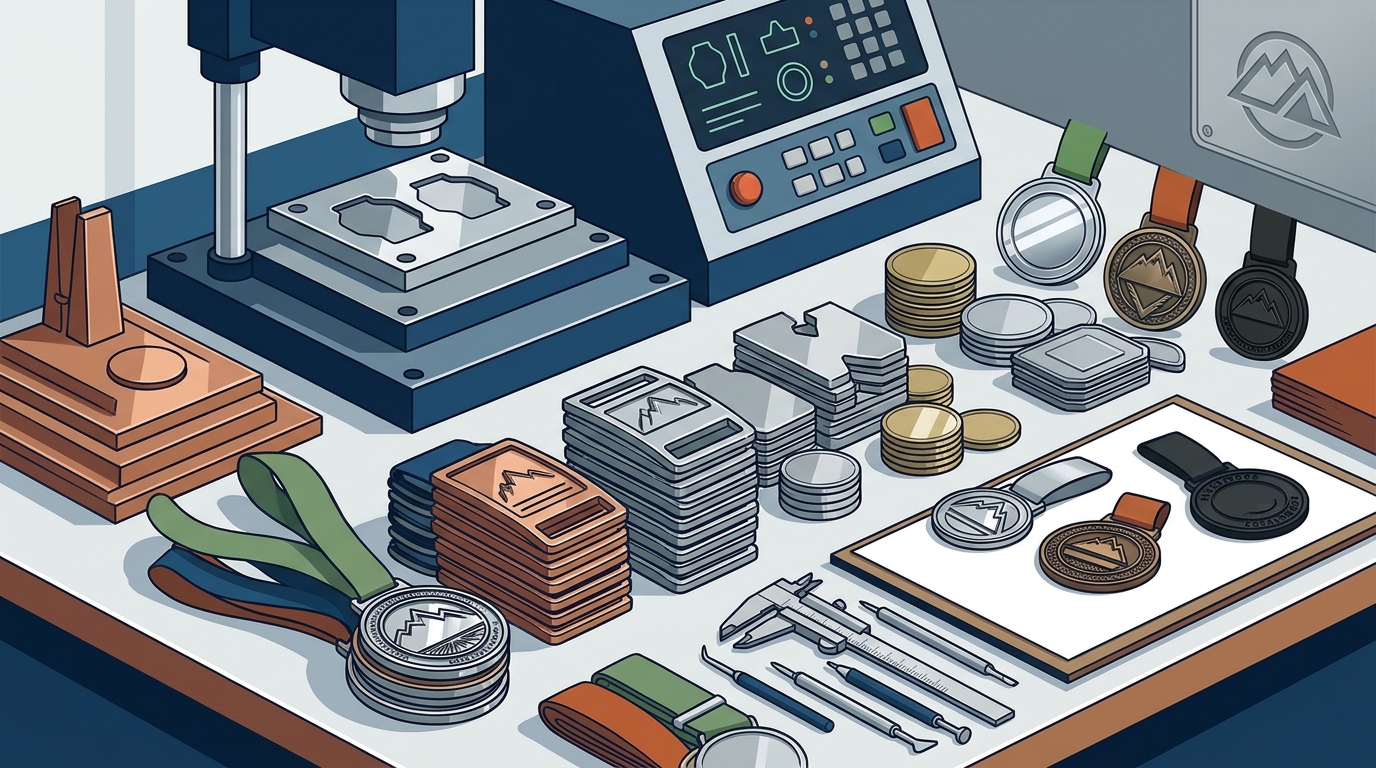
Multi-metal medals combine different alloys, such as gold, silver, and bronze, in a single design. This creates a visually striking effect that highlights specific design elements. The complexity of aligning and bonding different metals increases the production difficulty. As a result, minimum orders are usually higher than for single-metal medals to ensure efficient workflow.
6. Wooden or Acrylic Medals
Minimum: 10 to 20 units.
7. Custom Buckle Medals
Minimum: 50 to 100 units.
Choosing the Right Minimum for Your Event
Frequently Asked Questions
What is the lowest possible order minimum for custom medals?
The lowest minimums are typically found in personalized or non-metallic medals, often starting at 10 to 25 units. These options are ideal for small groups or special awards.
Do complex designs increase the order minimum?
Yes, complex designs with multiple colors or 3D elements often require higher minimums. This is due to the increased time and cost involved in creating the necessary molds or dies.
Can I order different types of medals in one order?
Yes, you can often mix and match medal types in a single order. This allows you to create distinct awards for different categories, such as overall winners and finishers, while potentially meeting a combined minimum.
How does the material affect the minimum order quantity?
Material choice significantly impacts minimums. Metals like brass or aluminum require specific tooling, leading to higher minimums. Softer materials like wood or acrylic are easier to process, allowing for lower minimums.
Is it better to order more than the minimum?
Ordering slightly above the minimum can sometimes reduce the per-unit cost. However, you should only do this if you have a clear use for the extra medals, such as for future events or replacements.