
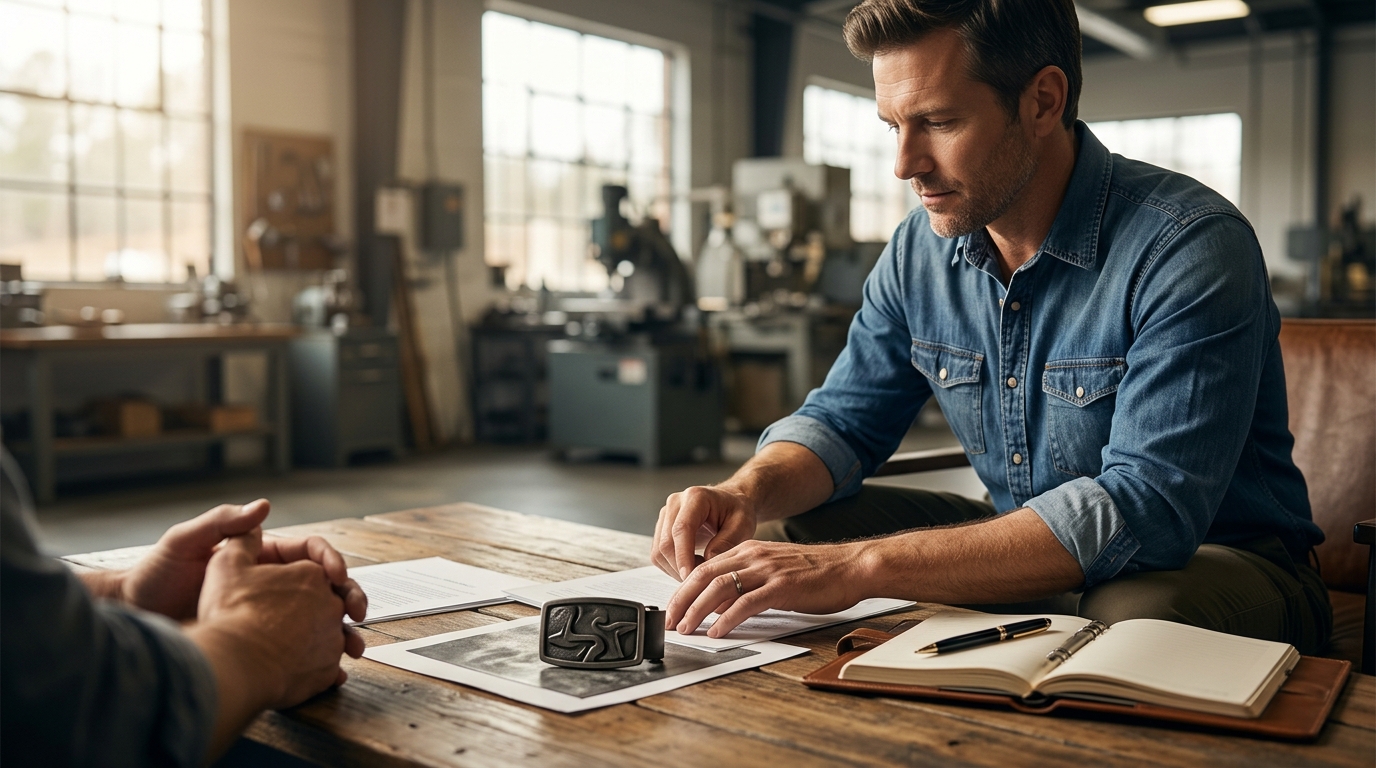
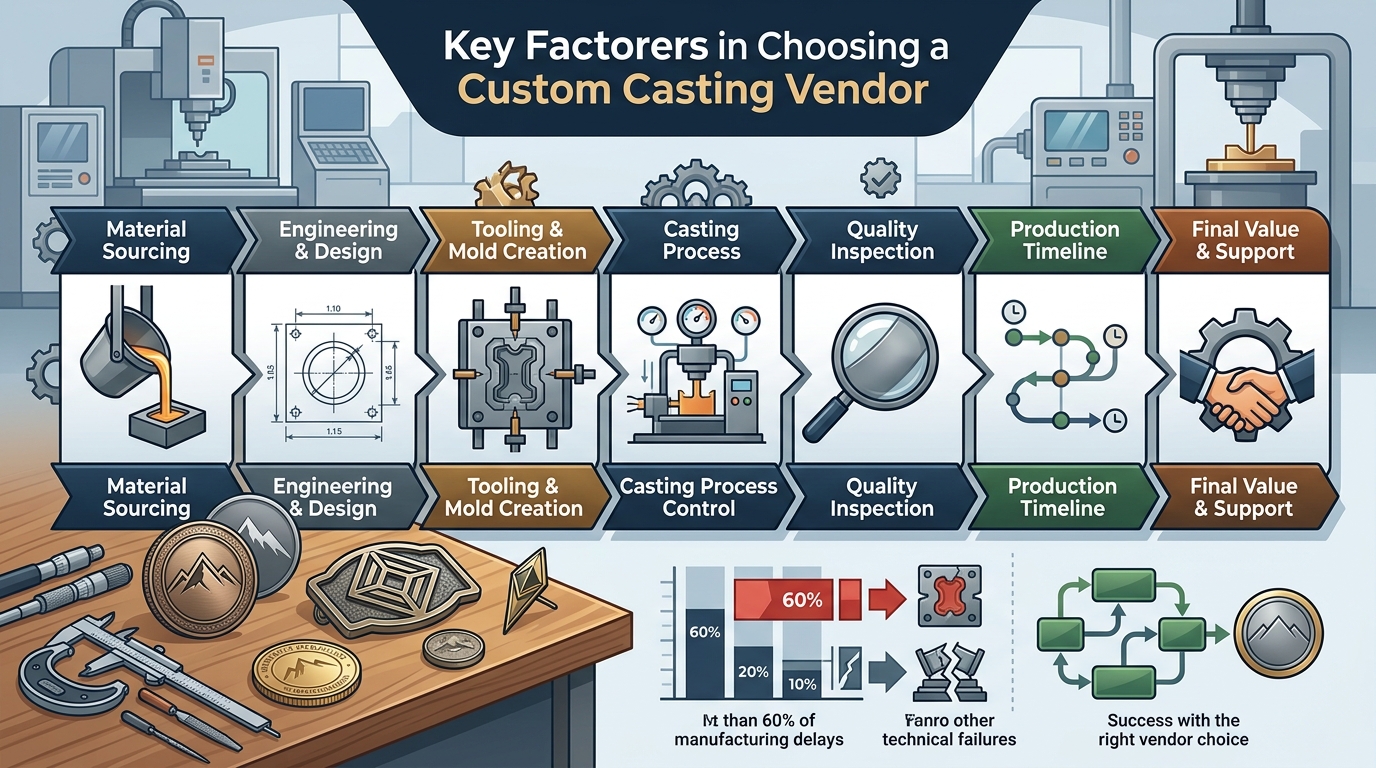
Custom metal casting is not a commodity transaction. It is a precision engineering process that dictates the structural integrity, aesthetic finish, and cost-efficiency of your final product. According to industry data, over 60 percent of manufacturing delays stem from poor vendor selection rather than technical failures. This statistic highlights a critical reality: the quality of your end product is inextricably linked to the capabilities and operational maturity of your casting partner. When evaluating potential suppliers, you must look beyond price quotes and examine their technical infrastructure, material expertise, and quality assurance protocols.
The Strategic Value of Domestic Manufacturing
In an era of global supply chain volatility, domestic manufacturing offers a significant competitive advantage. Choosing a vendor that produces within your home country reduces lead times, minimizes shipping risks, and ensures compliance with local labor and environmental regulations. NAFMA reports that domestic foundries often provide faster turnaround times for prototyping and short-run production compared to overseas alternatives. This speed is crucial for businesses that need to iterate designs quickly or respond to urgent market demands.
Furthermore, domestic production simplifies intellectual property protection. When your designs are manufactured locally, you reduce the risk of design theft or unauthorized replication. This is particularly important for companies producing high-value items like custom medallions, buckles, or specialized industrial components. Working with a company that has been established for decades, such as Mountain Medallion, provides a layer of stability and trust that newer or offshore entities may lack.
Assessing Technical Capabilities and Equipment
Not all casting methods are created equal. The right vendor must possess the specific technical equipment required for your material and design complexity. Whether you require sand casting, investment casting, or die casting, the vendor must demonstrate proficiency in the relevant process. For instance, ASM International notes that investment casting is often preferred for complex geometries and high-precision finishes, while sand casting is more cost-effective for larger, simpler parts.
When evaluating a vendor, ask about their equipment age, maintenance schedules, and technological upgrades. Modern foundries utilize computer-aided design (CAD) and computer-aided manufacturing (CAM) to ensure precision. They should also have the capability to handle a wide range of metals, including bronze, brass, aluminum, and steel. A vendor with versatile capabilities can offer better advice on material selection, helping you balance cost, durability, and aesthetic requirements.
The Role of Design Support Services
One of the most overlooked aspects of vendor selection is the quality of their design support. A superior casting partner does not just accept your blueprints; they actively collaborate to optimize your design for manufacturability. This process, known as Design for Manufacturability (DFM), can significantly reduce costs and improve the final product's quality.
Professional design services are essential for turning conceptual sketches into production-ready models. Look for vendors who offer 3D modeling, prototyping, and engineering consultation. They should be able to identify potential issues, such as uneven cooling or weak points in the design, before production begins. This proactive approach prevents costly rework and ensures that your final product meets your exact specifications.
Quality Assurance and Material Traceability
Quality assurance is non-negotiable in custom casting. You need a vendor that implements rigorous testing protocols to ensure every piece meets your standards. This includes dimensional accuracy checks, material composition analysis, and surface finish inspections. ISO standards provide a framework for quality management systems, and vendors certified under these standards are more likely to deliver consistent results.
Material traceability is another critical factor. You must be able to trace the raw materials used in your castings back to their source. This is particularly important for industries with strict regulatory requirements, such as aerospace, medical devices, and automotive. A reputable vendor will maintain detailed records of material batches, processing temperatures, and inspection results. This transparency allows you to verify the integrity of your supply chain and address any issues that may arise.
Evaluating Product Diversity and Specialization
While specialization can be beneficial, a vendor with a diverse product portfolio often demonstrates greater technical versatility. Companies that produce a wide range of items, from custom coins and buckles to intricate medallions and lapel pins, have likely encountered and solved a wide variety of manufacturing challenges. This breadth of experience can be invaluable when you have unique or complex requirements.
However, diversity should not come at the expense of expertise. Ensure that the vendor has specific experience in your industry or product category. For example, if you are producing commemorative items, look for a vendor with a strong portfolio in that niche. They will understand the aesthetic nuances and finishing techniques required to create high-quality, visually appealing products.
Contract Flexibility and Scalability
Your vendor must be able to scale with your business. Whether you need a small run of 100 prototypes or a large-scale production of 10,000 units, the vendor should have the capacity to accommodate your volume. Manufacturing trends indicate that flexible production capabilities are increasingly important for businesses that need to respond to fluctuating market demand.
Additionally, consider the vendor's contract terms. Do they offer flexible payment structures? Are they willing to work with you on long-term agreements or one-off projects? A vendor that is too rigid in their contractual terms may not be the best partner for a growing business. Look for a partner who is willing to collaborate and adapt to your changing needs.
Communication and Project Management
Effective communication is the backbone of any successful manufacturing partnership. Your vendor should have a dedicated project management team that keeps you informed throughout the entire process. This includes regular updates on production status, potential delays, and quality control results. Poor communication can lead to misunderstandings, missed deadlines, and dissatisfied customers.
When evaluating potential vendors, ask about their communication protocols. Do they use a customer portal for real-time tracking? Do they have a dedicated account manager? A vendor that prioritizes transparency and responsiveness will make your procurement process smoother and more efficient. You can also check their customer experience resources to gauge their commitment to client satisfaction.
Comparison of Vendor Selection Criteria
| Criteria | High Priority Indicators | Red Flags |
|---|---|---|
| Manufacturing Location | Domestic production, transparent supply chain | Opaque overseas sourcing, long lead times |
| Technical Expertise | DFM support, modern equipment, material versatility | Limited material options, outdated technology |
| Quality Assurance | ISO certification, material traceability, rigorous testing | No quality documentation, inconsistent finishes |
| Communication | Dedicated account manager, real-time updates | Slow response times, lack of transparency |
| Scalability | Flexible volume handling, adaptable contract terms | Rigid minimums, inability to scale |
Key Takeaways
- Domestic Advantage: Choosing a domestic vendor like Mountain Medallion, which has been operating since 1999, ensures faster turnaround and stronger IP protection.
- Technical Versatility: Look for vendors with diverse equipment capable of handling multiple metals and casting methods to suit your specific design needs.
- Design Collaboration: A vendor that offers robust design services can optimize your product for manufacturability, saving time and money.
- Quality Standards: Ensure the vendor has rigorous quality assurance protocols and material traceability to maintain product integrity.
- Communication: Effective project management and transparent communication are critical for avoiding delays and ensuring satisfaction.
- Scalability: Your vendor must be able to scale production up or down to meet your fluctuating business demands.
- Experience: A vendor with a long history, such as over two decades in the industry, is more likely to have solved complex manufacturing challenges.
Frequently Asked Questions
What is the most important factor when choosing a custom casting vendor?
The most important factor is technical capability aligned with your specific product needs. While price is a consideration, the vendor's ability to produce high-quality, precise castings using the right materials and methods is paramount. A vendor with strong engineering expertise can prevent costly errors and ensure your product meets your standards.
How does domestic manufacturing impact lead times?
Domestic manufacturing typically results in significantly shorter lead times compared to overseas production. This is due to reduced shipping distances, simpler logistics, and faster communication. Supply chain experts note that domestic sourcing can reduce lead times by up to 50 percent, allowing for quicker time-to-market.
What should I look for in a vendor's quality assurance process?
You should look for vendors that offer material traceability, rigorous inspection protocols, and adherence to industry standards like ISO. They should be able to provide documentation for every batch of material used and every step of the production process. This ensures that you can verify the quality and integrity of your final product.
Can a custom casting vendor help with design optimization?
Yes, many top-tier vendors offer Design for Manufacturability (DFM) services. They can review your designs and suggest modifications to improve producibility, reduce costs, and enhance the final product's quality. This collaborative approach is essential for achieving the best results.
How do I evaluate a vendor's scalability?
Evaluate a vendor's scalability by asking about their production capacity, equipment availability, and experience with different volume ranges. A scalable vendor should be able to handle both small prototype runs and large-scale production without compromising quality or timelines.
What is the role of communication in vendor selection?
Communication is vital for ensuring that your project stays on track. Look for vendors who have dedicated account managers, provide regular updates, and are responsive to your inquiries. Poor communication can lead to misunderstandings, delays, and dissatisfied outcomes.
Why is material traceability important?
Material traceability allows you to track the origin and history of the raw materials used in your castings. This is crucial for quality control, regulatory compliance, and addressing any potential issues. It ensures that you know exactly what went into your product and can verify its integrity.
Ready to Start Your Custom Casting Project?
Choosing the right custom casting vendor is a strategic decision that impacts your product quality, cost, and timeline. By evaluating vendors based on technical capability, quality assurance, communication, and scalability, you can ensure a successful partnership. If you are looking for a trusted partner with a long history of excellence, consider contacting Mountain Medallion for your next custom casting project. We specialize in quality custom American-made castings and are ready to bring your designs to life with precision craftsmanship.