
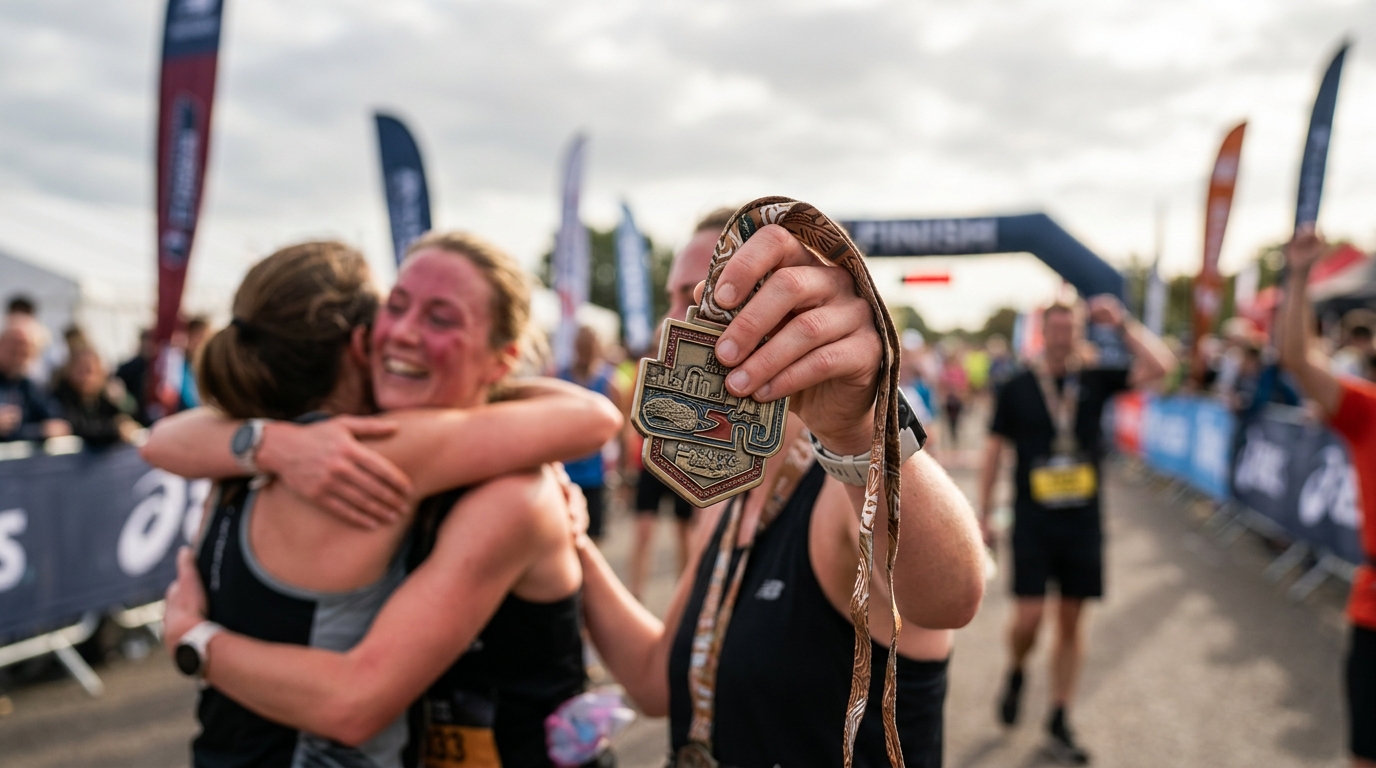
Organizing a running event requires meticulous attention to detail, but the finish line medal often serves as the most enduring symbol of the achievement. According to industry data, the global custom medal market has seen consistent growth, with participants increasingly valuing the tactile quality and design complexity of their awards. This shift has elevated the standard for what organizers expect from manufacturers, moving beyond simple stamped metal to intricate, multi-layered designs that capture the spirit of the race.
Understanding the Manufacturing Process
When you ask who makes custom race medals, the answer lies in the specialized field of precision casting. Unlike mass-produced souvenirs, race medals require a bespoke manufacturing approach to ensure every unit meets the specific aesthetic and structural requirements of your event. The primary method used by top-tier manufacturers is die casting, a process that allows for high detail and consistency.
Die casting is a metal casting process that is characterized by forcing molten metal under high pressure into a mold cavity. This technique is ideal for race medals because it produces parts with excellent surface finish and dimensional accuracy. The process begins with the creation of a steel die, which is essentially a negative impression of your medal design. This die is engineered to withstand the immense pressure and heat of the casting process.
Once the die is ready, the actual casting takes place. Molten metal, typically zinc alloy or bronze, is injected into the die. After cooling, the medal is ejected, trimmed, and prepared for finishing. This method ensures that even the smallest details, such as fine text or intricate logos, are reproduced faithfully across thousands of units.
Material Options for Durability
The choice of material significantly impacts the weight, feel, and longevity of the medal. Runners often comment on the "heft" of a medal, as it contributes to the perceived value of the achievement. Manufacturers like Mountain Medallion specialize in creating these durable keepsakes using high-quality alloys.
Zinc Alloy
Zinc alloy is the most common material for custom race medals. It offers a good balance of cost, weight, and detail retention. Zinc is easy to cast and can be plated with various finishes, including gold, silver, bronze, and antique brass. This versatility allows organizers to match the medal to the prestige of the race.
Bronze and Brass
For ultra-marathons or premium events, bronze and brass are popular choices. These metals provide a heavier, more substantial feel that many runners appreciate. Bronze is an alloy primarily consisting of copper, usually with tin as the main additive. It is known for its durability and resistance to corrosion, making it an excellent choice for medals that will be displayed for years.
Enamel and Color Filling
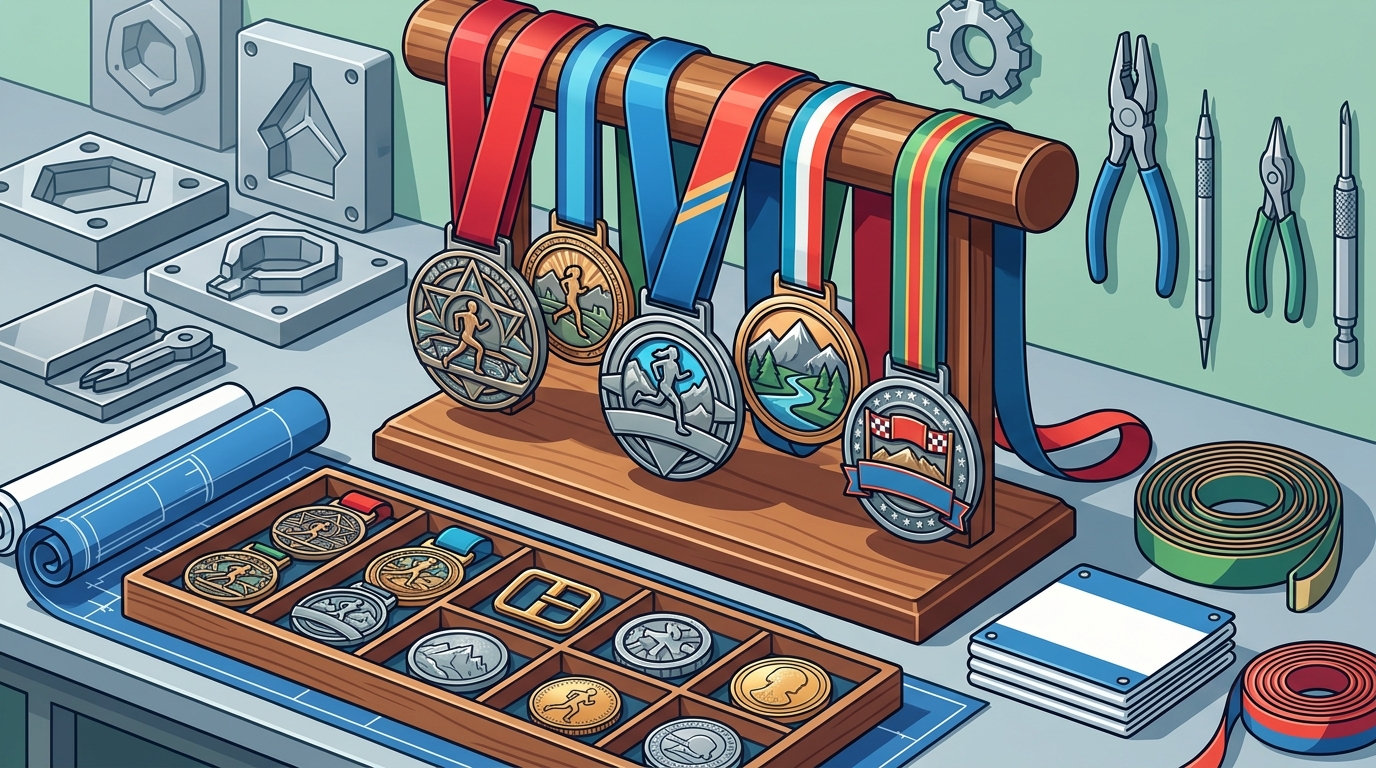
Modern race medals often feature vibrant colors. This is achieved through enamel filling, where colored glass-like material is fired into the recessed areas of the medal. This process creates a smooth, glossy finish that is resistant to chipping and fading. The precision of the casting die is critical here, as it must create clean boundaries for the enamel to sit within.
The Role of Professional Design
Many race organizers underestimate the complexity of translating a 2D logo into a 3D medal. This is where professional design services become invaluable. A skilled designer understands the constraints of metal casting, such as minimum wall thickness and draft angles, to ensure the design is manufacturable.
At Mountain Medallion Design Services, experts work closely with clients to refine artwork. They ensure that fine details are not lost during the casting process and that the final product looks as close to the original concept as possible. This collaboration prevents costly errors and ensures that the medal accurately represents the brand and spirit of the race.
Additionally, designers can suggest enhancements, such as adding a ribbon attachment point or incorporating a unique shape that distinguishes the medal from standard circular designs. These creative touches can significantly increase the perceived value of the award.
Production Timelines and Logistics
Timing is critical in race medal production. The process involves several stages, each requiring careful management to meet the race date.
- Design and Approval: This phase can take 1-2 weeks, depending on the complexity of the design and the number of revisions.
- Die Creation: Creating the steel die is a precise process that typically takes 2-3 weeks.
- Sampling: Before full production, a sample medal is produced for approval. This ensures that the color, size, and details are correct.
- Mass Production: Once the sample is approved, the full run is cast, finished, and plated. This can take 4-6 weeks for large orders.
Organizers must plan well in advance, ideally starting the process 3-4 months before the race. Rush fees may apply for expedited timelines, but they can help mitigate the risk of delays. Contract sales teams often assist with logistics, ensuring that medals are shipped safely and arrive in time for the event.
Vendor Comparison Overview
Choosing the right manufacturer involves comparing several factors, including quality, service, and pricing. The table below summarizes key aspects of working with a specialized custom caster.
| Feature | Specialized Custom Caster | General Souvenir Vendor |
|---|---|---|
| Detail Quality | High precision, fine detail retention | Standard, may lose fine details |
| Material Options | Zinc, bronze, brass, custom alloys | Limited to standard materials |
| Design Support | Professional engineering and design | Minimal or none |
| Customization | Fully bespoke shapes and finishes | Limited to pre-existing molds |
| Lead Time | 8-12 weeks standard | Variable, often longer for custom |
Key Takeaways
- Specialized Expertise: Companies like Mountain Medallion have been providing quality custom American-made castings since 1999, ensuring decades of experience in the field.
- Material Impact: The choice between zinc, bronze, and brass affects the weight and prestige of the medal, with bronze offering the highest durability.
- Design is Critical: Professional design services are essential to translate 2D concepts into manufacturable 3D objects without losing detail.
- Timeline Management: Organizers should start the process 3-4 months in advance to allow for die creation, sampling, and production.
- Quality Assurance: Sampling is a mandatory step to ensure the final product meets the organizer's expectations before mass production begins.
- Custom Shapes: Unlike standard vendors, specialized casters can create unique shapes that enhance the brand identity of the race.
- Direct Communication: Working directly with a manufacturer allows for better control over the process and faster resolution of issues.
Frequently Asked Questions
How long does it take to produce custom race medals?
Typically, the production process takes 8 to 12 weeks from design approval to delivery. This includes the time for die creation, sampling, and mass production. Rush services may be available for urgent deadlines.
What is the minimum order quantity for custom medals?
Minimum order quantities vary by manufacturer, but many specialized casters accommodate orders as low as 50-100 units. This flexibility is crucial for smaller 5K events or charity runs.
Can I get a sample before placing a large order?
Yes, it is standard practice to produce a physical sample for approval. This sample allows you to verify the size, weight, color, and detail before the full production run begins.
What materials are best for race medals?
Zinc alloy is the most popular choice due to its cost-effectiveness and ability to hold fine detail. For premium events, bronze or brass is recommended for its heavier feel and durability.
How do I get an instant estimate for my project?
You can get an instant estimate by using the online quote tool available on the Mountain Medallion website. Simply provide details about your design, quantity, and material preferences.
Do you offer design services?
Yes, professional design services are available to help refine your artwork and ensure it is optimized for metal casting. You can learn more about these services at Mountain Medallion Design Services.
What is the difference between die casting and stamping?
Die casting involves injecting molten metal into a mold, allowing for complex 3D shapes and high detail. Stamping uses sheet metal and presses, which is less expensive but limits the design to flatter, simpler profiles.
Get Your Instant Estimate
Ready to bring your race medal vision to life? Contact Mountain Medallion today for a quote on your next custom project. Whether you need coins, buckles, medallions, or lapel pins, we bring your designs to life with precision craftsmanship. Visit our Customer Experience page for more information on our process.