
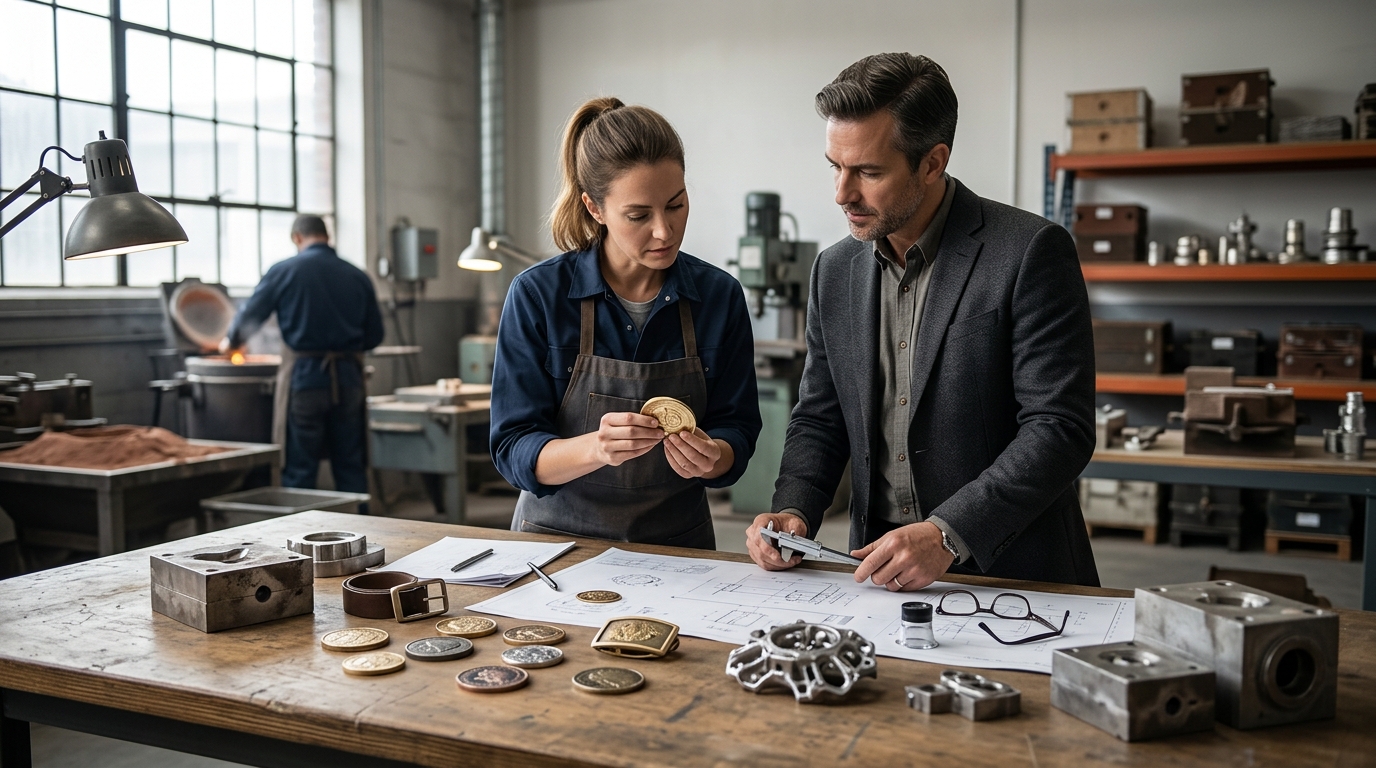
Custom metal casting is not a commodity transaction. It is a complex manufacturing process that demands precision, material science expertise, and rigorous quality control. When selecting a partner for your next project, you are not just buying metal; you are buying the guarantee of dimensional accuracy and structural integrity. According to industry standards for precision manufacturing, a single casting defect can lead to catastrophic failure in mechanical applications, making vendor selection a critical risk management step. This guide outlines the essential criteria for evaluating custom casting vendors to ensure your project succeeds.
Understanding Casting Methods and Capabilities
The first step in choosing a vendor is understanding their core casting methodologies. Not all foundries are equipped to handle every type of metal or design complexity. The two most common methods are sand casting and investment casting. Each has distinct advantages depending on your project's needs.
Sand Casting vs. Investment Casting
Sand casting is ideal for larger, heavier parts with moderate surface finish requirements. It is cost-effective for high-volume production runs. Investment casting, also known as lost-wax casting, offers superior surface finish and tighter tolerances. It is the preferred method for intricate designs, such as custom medallions, buckles, and detailed lapel pins.
When evaluating a vendor, ask specifically about their equipment. Do they have the machinery to handle your part size? Do they specialize in the finish quality you require? A vendor who only does sand casting may not be suitable for a project requiring the fine detail of investment casting. Visit their product gallery to see examples of their work and assess the level of detail they can achieve.
Evaluating Domestic Manufacturing and Quality
For many businesses, domestic manufacturing is a non-negotiable requirement. American-made castings offer significant advantages in terms of communication, intellectual property protection, and regulatory compliance. Working with a domestic foundry reduces the risk of supply chain disruptions and ensures that your designs are protected under local laws.
Quality control is another critical factor. A reputable vendor will have a robust quality assurance process. This includes material testing, dimensional inspection, and surface finish verification. Ask about their quality control protocols. Do they use modern testing equipment? Do they provide certificates of analysis for the materials used?
Mountain Medallion has been providing quality custom American-made castings since 1999. Their long-standing presence in the industry is a testament to their commitment to consistency and reliability. Domestic vendors often have a deeper understanding of local industry standards and can provide more responsive support.
The Role of Design Support Services
One of the most valuable services a casting vendor can offer is design support. Many clients have a concept but lack the technical drawings required for manufacturing. A vendor with strong design capabilities can help refine your idea into a manufacturable design.
Look for a vendor that offers design services. This includes 3D modeling, prototyping, and engineering consultation. A good design partner will identify potential manufacturing issues early in the process, saving you time and money. They can suggest modifications to improve castability without compromising the aesthetic or functional integrity of the part.
Effective design support also includes the creation of master patterns. The quality of the master pattern directly impacts the quality of the final casting. Ensure your vendor has the expertise to create precise and durable patterns that will withstand the rigors of production.
Material Expertise and Alloy Selection
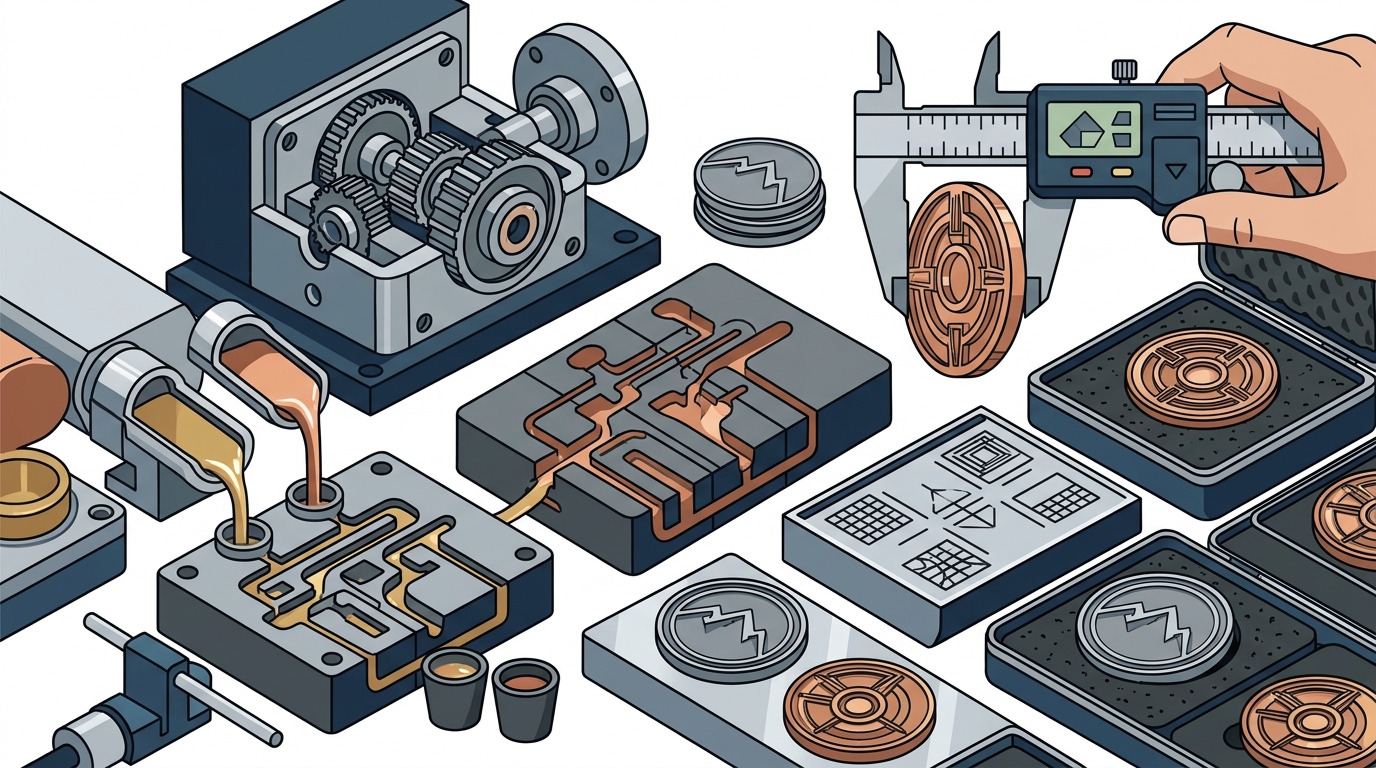
The choice of material is fundamental to the success of your project. Different alloys offer different properties, such as strength, ductility, corrosion resistance, and weight. A knowledgeable vendor will guide you in selecting the right material for your application.
Common materials for custom casting include bronze, brass, aluminum, and stainless steel. Each material has specific casting requirements and post-processing needs. For example, bronze is often used for its aesthetic appeal and durability, while aluminum is chosen for its lightweight properties.
Ask your vendor about their material sourcing. Do they use high-quality, certified raw materials? Do they have experience with exotic alloys? A vendor with broad material expertise can offer more flexibility and better solutions for complex projects.
Production Scalability and Lead Times
Consider the scalability of the vendor's production capabilities. Can they handle your initial prototype run? Can they scale up to mass production if your project is successful? A vendor who can manage the entire lifecycle of your product is a valuable partner.
Lead times are also a critical factor. Custom casting is not an instantaneous process. It involves multiple steps, including pattern making, mold creation, casting, and finishing. Ask for realistic lead time estimates. Be wary of vendors who promise unrealistically fast turnaround times, as this may indicate a compromise in quality.
Mountain Medallion offers an instant estimate tool to help you plan your project timeline. This tool provides a quick overview of costs and potential lead times, allowing you to make informed decisions early in the process.
Cost Analysis vs. Total Value
Price is an important consideration, but it should not be the sole deciding factor. The cheapest option is often the most expensive in the long run due to defects, delays, and rework. Focus on the total value the vendor provides.
Consider the following cost factors:
- Tooling Costs: The cost of creating patterns and molds.
- Unit Price: The cost per piece, which may decrease with volume.
- Finishing Costs: The cost of post-processing, such as polishing or plating.
- Shipping Costs: Domestic shipping is often more predictable and faster than international shipping.
A vendor who offers transparent pricing and high-quality work will provide better long-term value. Request detailed quotes from multiple vendors and compare them based on total cost, quality, and service.
Vendor Verification and Compliance
Before finalizing your choice, verify the vendor's credentials and compliance with industry standards. Check their business registration, insurance coverage, and any relevant certifications. If you are in a regulated industry, ensure the vendor complies with all applicable regulations.
Read customer reviews and testimonials. Look for feedback on communication, quality, and reliability. A vendor with a strong reputation is more likely to deliver a satisfactory result. You can also check their customer experience resources for insights into their service standards.
Additionally, consider the vendor's financial stability. A financially stable vendor is less likely to face disruptions that could impact your project. Ask about their production history and client base. A vendor with a diverse and long-term client list is likely to be reliable and trustworthy.
Key Takeaways
- Methodology Match: Ensure the vendor specializes in the casting method (sand or investment) required for your part's complexity and finish.
- Domestic Advantage: American-made castings offer superior IP protection and supply chain reliability, with vendors like Mountain Medallion operating since 1999.
- Design Support: Vendors offering design services can prevent costly errors by refining your concept for manufacturability.
- Material Knowledge: Expert guidance on alloy selection is crucial for balancing strength, weight, and cost.
- Scalability: Choose a partner who can handle both prototyping and mass production to support your business growth.
- Total Cost: Evaluate the total value, including tooling, finishing, and shipping, rather than just the unit price.
- Verification: Check credentials, reviews, and financial stability to mitigate risk.
Frequently Asked Questions
What is the difference between sand casting and investment casting?
Sand casting uses a sand mold and is suitable for larger, heavier parts with moderate detail. Investment casting uses a wax pattern and offers higher precision and smoother surface finishes, making it ideal for intricate designs like custom medallions.
Why is domestic manufacturing important for custom casting?
Domestic manufacturing ensures better communication, faster shipping, and stronger intellectual property protection. It also reduces the risk of supply chain disruptions associated with international sourcing.
How long does the custom casting process take?
Lead times vary based on the complexity of the design, the material used, and the production volume. Typically, the process involves pattern making, mold creation, casting, and finishing. Mountain Medallion provides instant estimates to help you plan accordingly.
Can a casting vendor help with the design of my part?
Yes, many vendors offer design services to help refine your concept. They can create 3D models, suggest material improvements, and ensure the design is optimized for manufacturing.
What materials are commonly used in custom casting?
Common materials include bronze, brass, aluminum, and stainless steel. The choice depends on the required strength, weight, corrosion resistance, and aesthetic finish of the final product.
How do I evaluate the quality of a casting vendor?
Evaluate their quality control processes, material sourcing, and customer reviews. Look for vendors with a long history of reliable service, such as those providing quality custom American-made castings since 1999.
What is the cost of custom casting?
Costs vary based on material, size, complexity, and quantity. There are typically tooling costs for patterns and molds, as well as per-unit costs. Request a detailed quote for an accurate estimate.
Ready to Start Your Custom Casting Project?
Choosing the right vendor is the first step toward a successful project. By evaluating their capabilities, quality standards, and support services, you can ensure your custom castings meet your highest expectations. Mountain Medallion specializes in bringing your designs to life with precision craftsmanship. Contact us today for a quote on your next custom project.
Get in touch with Mountain Medallion to discuss your requirements and receive a personalized estimate.