
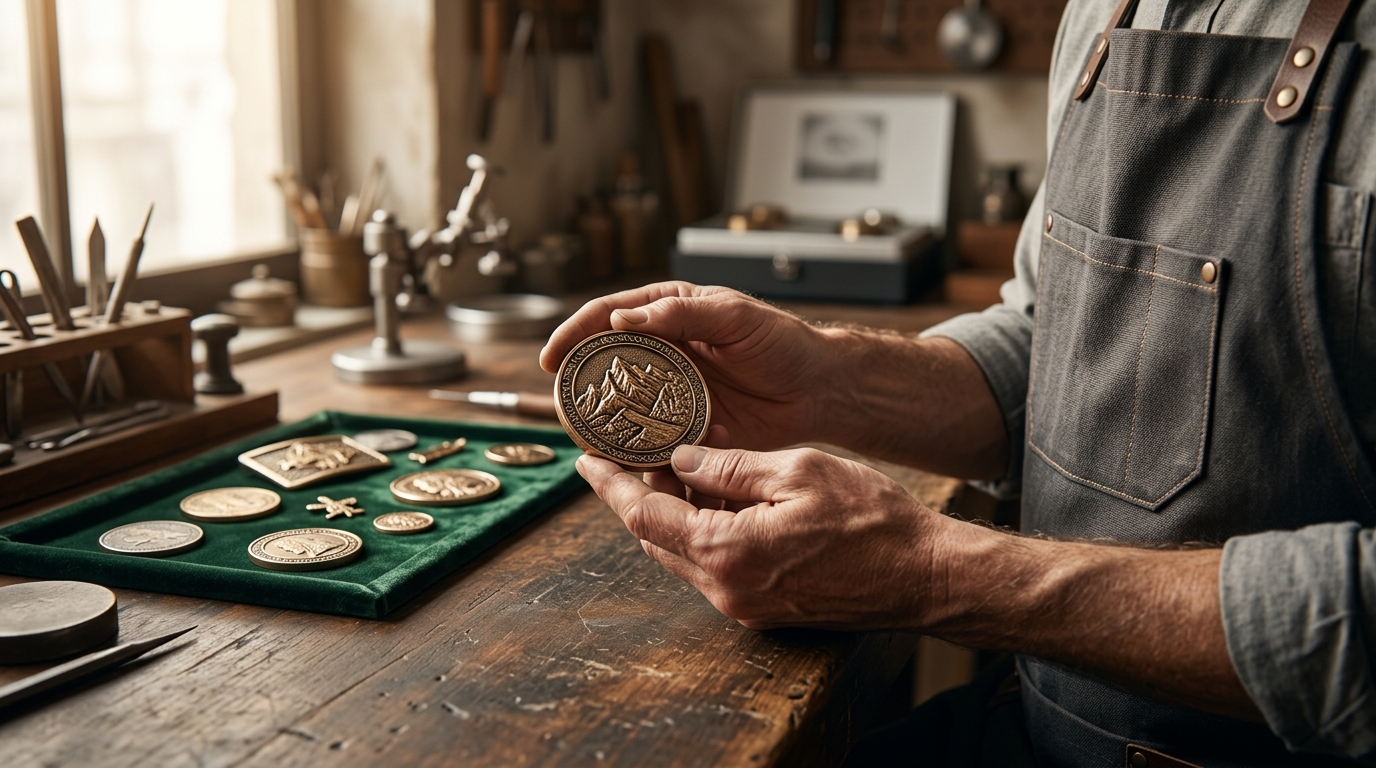
The global market for custom metalwork and numismatic products is driven by a demand for precision and historical preservation. According to industry reports, the custom metal casting sector has seen consistent growth due to the rising need for branded merchandise and commemorative items. This guide explores the specific manufacturers, processes, and design considerations that define the industry.
The Custom Casting Process
Understanding who manufactures these items requires looking at the technical workflow. Most high-quality custom medallions are produced using the lost-wax casting method. This technique allows for intricate detail that other methods cannot replicate.
Step 1: Wax Modeling
The process begins with a master sculptor or designer creating a 3D model. This can be done digitally using CAD software or manually using wax and clay. The level of detail in this stage determines the final quality of the metal piece.
Step 2: Mold Making
Once the master model is approved, a silicone mold is created. This mold captures every nuance of the original design. For mass production, multiple copies of the mold are made to ensure consistency across large batches.
Step 3: Investment and Casting
Wax copies are attached to a sprue and encased in a plaster-like investment material. The assembly is heated in a kiln, melting the wax away and leaving a hollow cavity. Molten metal is then poured into this cavity under pressure.
Step 4: Finishing
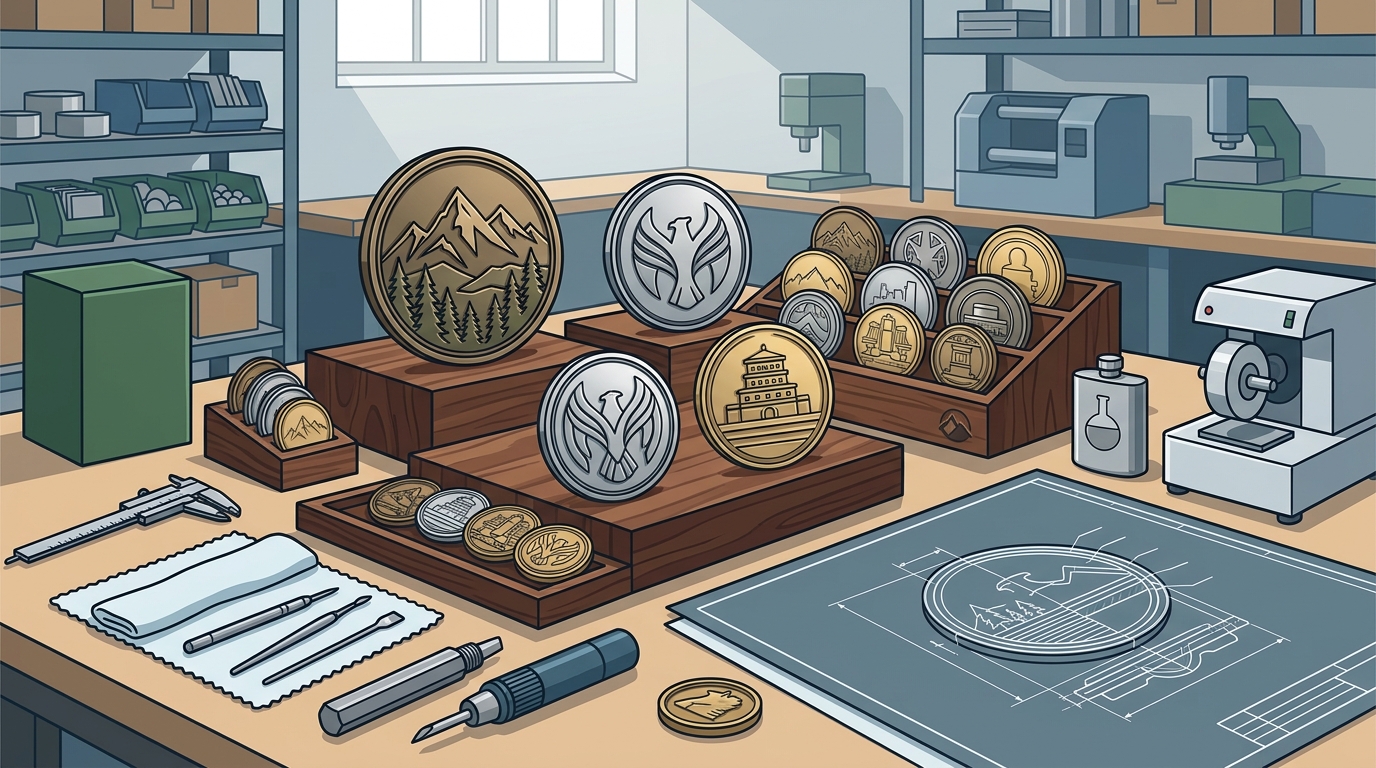
After cooling, the metal pieces are cut from the sprue, cleaned, and polished. This stage includes plating, coloring, and enamel application to achieve the final aesthetic.
Materials and Alloys
The choice of material significantly impacts the durability, weight, and appearance of the final product. Manufacturers typically work with a range of alloys to meet specific client needs.
Common Metals
- Brass: The most popular choice for custom medallions. It is durable, easy to cast, and takes plating exceptionally well.
- Bronze: Often used for historical reproductions and fine art pieces. It has a rich, dark patina that ages beautifully.
- Steel: Used for modern, industrial aesthetics. It requires specialized casting techniques due to its high melting point.
- Pewter: A soft alloy that is easy to work with but less durable for daily wear items.
Precious Metals
For high-end commemorative coins, manufacturers may use silver, gold, or platinum. These materials require strict quality control to ensure purity and value retention. According to the U.S. Mint, precious metal coins must meet strict standards for weight and composition.
The Role of Design Services
Not all manufacturers offer in-house design support. Some focus solely on production, while others provide end-to-end solutions. Choosing a partner with robust design services can streamline the process significantly.
Digital vs. Hand Sculpting
Digital design allows for rapid prototyping and easy revisions. Hand sculpting offers organic textures and artistic depth that software may struggle to replicate. Many top manufacturers, such as Mountain Medallion, offer both options to suit different project requirements.
Proofing and Approval
Before full production begins, clients typically receive a physical proof. This allows for verification of details, dimensions, and surface texture. Customer experience is often defined by the clarity and speed of this approval stage.
Comparing Manufacturing Options
Selecting the right manufacturer depends on your project scale, budget, and timeline. Below is a comparison of common manufacturing approaches.
| Method | Best For | Pros | Cons |
|---|---|---|---|
| Custom Casting | Unique designs, low to medium volume | High detail, artistic freedom | Higher per-unit cost, longer lead time |
| Striking | High volume, coins, medals | Fast production, consistent quality | High initial tooling cost |
| Die Casting | Mass production, simple shapes | Low cost per unit | Limited detail, less artistic |
Key Takeaways
- Heritage Matters: Companies like Mountain Medallion have been providing quality custom American-made castings since 1999, establishing long-term trust.
- Process Complexity: The lost-wax casting process is essential for high-detail medallions, requiring multiple specialized steps.
- Material Selection: Brass is the industry standard for durability and plating, while bronze is preferred for artistic finishes.
- Design Support: In-house design services can reduce errors and speed up the approval process.
- Quality Control: Physical proofs are a critical step in ensuring the final product matches the client's vision.
- Regulatory Standards: Precious metal coins must adhere to strict government standards for weight and purity.
Frequently Asked Questions
What is the difference between a medallion and a coin?
Coins are typically currency issued by a government, while medallions are commemorative items produced by private manufacturers for specific events or organizations.
How long does it take to manufacture custom medallions?
Lead times vary based on complexity and volume. Typically, the process takes 4 to 8 weeks from design approval to final delivery.
Can I get an instant estimate for my project?
Yes, many manufacturers offer online tools for quick estimates. Mountain Medallion provides an instant estimate tool for prospective clients.
What materials are best for outdoor medallions?
Brass and bronze are the most durable options for outdoor use. They resist corrosion and can be sealed to maintain their appearance.
Do manufacturers offer design services?
Many do. Design services help clients translate their ideas into production-ready 3D models.
What is the minimum order quantity?
Minimums vary. Some manufacturers accept small runs for custom projects, while others require larger volumes for cost efficiency.
How are custom coins plated?
Plating is done through electroplating processes, where a thin layer of gold, silver, or rhodium is applied to the surface.
Get Your Custom Quote
Ready to bring your design to life? Contact Mountain Medallion today for a personalized quote. Our team of experts is ready to assist you with every step of the manufacturing process.