
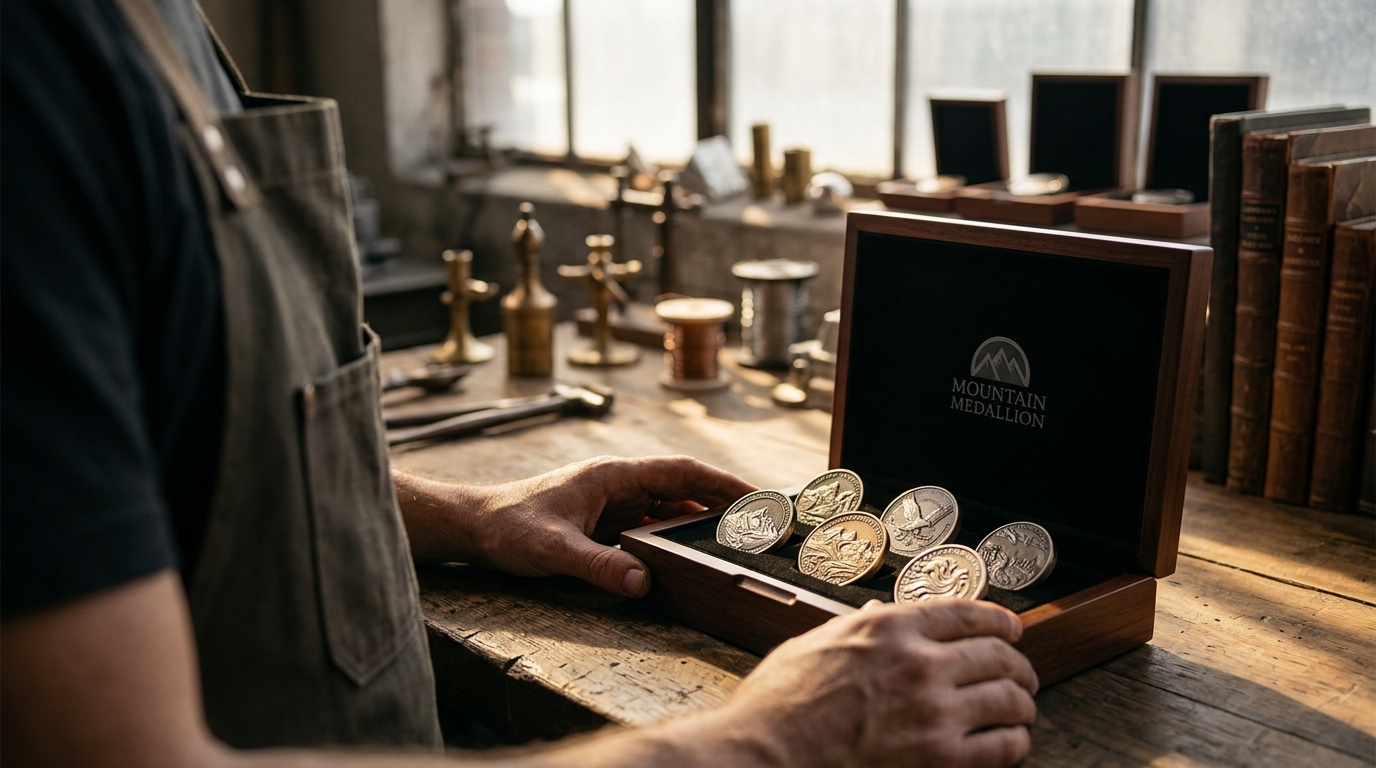
The global market for custom metalwork is driven by a demand for precision and heritage. According to industry data, the custom metal casting sector has seen consistent growth, with the United States remaining a primary hub for high-fidelity numismatic production. This guide explains the manufacturing ecosystem, the technical processes involved, and how to select the right partner for your project.
The Custom Casting Process
Understanding who manufactures custom medallions requires looking at the technical workflow. The industry standard for high-quality, detailed metalwork is the lost-wax casting method. This ancient technique allows for intricate details that other manufacturing methods cannot replicate. (https mountainmedallion com customer)
Step 1: Wax Modeling
The process begins with a sculptor creating a master model. This is typically done in wax or a similar pliable material. The sculptor adds every detail, from facial features on a portrait to the texture of fabric. This master model is the absolute source of truth for the final product. (https mountainmedallion com faq)
Step 2: Mold Making
Once the master is approved, a silicone mold is created around it. This mold captures every microscopic detail. The mold is then used to inject wax copies of the original design. These wax copies are assembled onto a central wax tree, which allows for multiple pieces to be cast in a single batch.
Step 3: Investment and Burnout
The wax tree is placed in a flask and covered with a refractory material called investment. This material hardens into a solid shell. The flask is then heated in a kiln. The heat melts the wax out, leaving a hollow cavity in the shape of the design. This is why it is called "lost-wax" casting.
Step 4: Metal Pouring
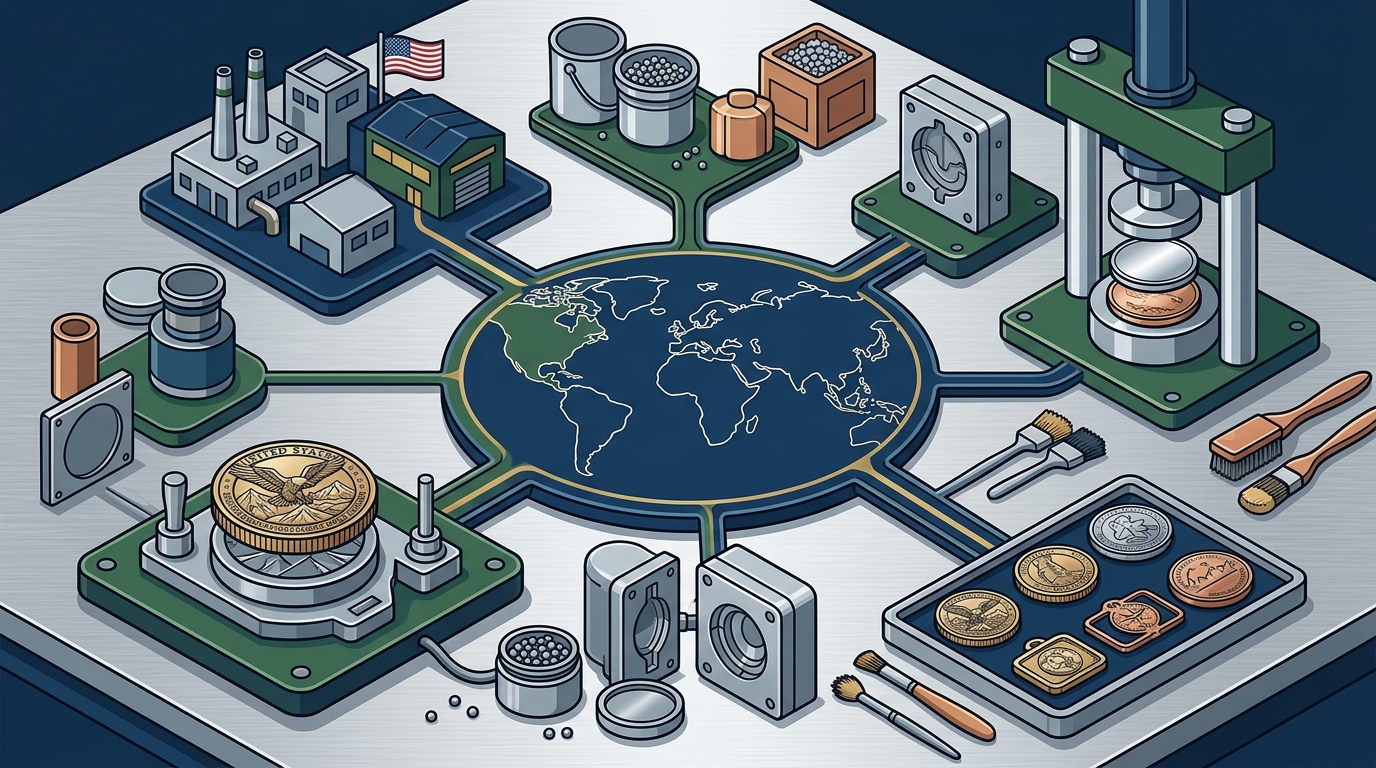
Molten metal is poured into the hollow cavity. The metal fills the space left by the wax. Once cooled, the investment shell is broken away, revealing the raw metal castings. These are then cut from the wax tree and cleaned.
For more details on the technical aspects of casting, you can read about metal casting industries and their standards.
Materials and Alloys
The choice of material significantly impacts the final appearance, weight, and durability of the medallion. Manufacturers typically work with a range of alloys, each offering distinct benefits.
Bronze and Brass
Bronze is the most traditional material for commemorative coins and medallions. It offers a rich, warm tone and excellent durability. Brass, an alloy of copper and zinc, provides a brighter, gold-like appearance. Both materials are highly durable and resistant to corrosion.
Sterling Silver and Gold
For high-end collectibles, precious metals are used. Sterling silver (92.5% silver) is popular for its luster and value. Gold medallions are reserved for the most prestigious awards. The purity of the gold, measured in karats, affects both the color and the price.
Aluminum and Zinc
For cost-effective promotional items, lighter metals like aluminum or zinc alloys are used. These materials are easier to cast in large quantities but may not hold the same level of fine detail as bronze or silver.
According to the National Minting Association, the choice of metal is often dictated by the intended use, whether for display, wear, or investment.
The Role of Design Services
Not all manufacturers offer in-house design capabilities. Some focus solely on production, while others provide end-to-end solutions. Understanding this distinction is crucial for clients who may not have a ready-to-use design.
In-House Sculpting
Companies with in-house sculptors can take a concept from a rough sketch to a finished 3D model. This service is invaluable for clients who need help visualizing their idea. The sculptor works closely with the client to ensure accuracy and artistic integrity.
3D Modeling
Modern manufacturing often involves 3D modeling software. This allows for precise digital previews before any physical work begins. It reduces errors and ensures that the final product matches the client's expectations.
For insights into the digital transformation of design, see 3D modeling solutions in industrial design.
Choosing a Manufacturer
Selecting the right manufacturer involves evaluating several factors. Below is a comparison of key considerations.
| Factor | Domestic Manufacturers | International Manufacturers |
|---|---|---|
| Quality Control | High, direct oversight | Variable, depends on facility |
| Lead Time | Shorter, faster shipping | Longer, complex logistics |
| Cost | Higher labor costs | Lower labor costs |
| Communication | Real-time, same time zone | Time zone delays |
Domestic manufacturers often provide better communication and faster turnaround times. This is particularly important for time-sensitive projects. For a deeper dive into manufacturing economics, refer to Bureau of Labor Statistics data on manufacturing output.
Key Takeaways
- Custom medallions are typically produced using the lost-wax casting method for maximum detail.
- Materials range from bronze and brass to precious metals like silver and gold.
- In-house design services can bridge the gap between concept and final product.
- Domestic manufacturers offer superior quality control and faster lead times.
- Mountain Medallion has been providing quality custom American-made castings since 1999.
- Proper design preparation is critical for a successful casting outcome.
- Understanding the manufacturing process helps in budgeting and planning.
Frequently Asked Questions
What is the difference between a medallion and a coin?
A coin is typically minted using a striking process with high-pressure dies, resulting in a flat, uniform surface. A medallion is usually cast, allowing for deeper relief and more intricate, three-dimensional details. Coins are often standardized in weight and size, while medallions are custom-made to specific designs.
How long does it take to manufacture a custom medallion?
The timeline depends on the complexity of the design and the quantity ordered. Typically, the process takes 4 to 8 weeks. This includes design approval, mold making, casting, and finishing. Rush services may be available for an additional fee.
Can I get a sample before the full order?
Yes, many manufacturers offer a prototype or sample. This allows you to verify the design, material, and finish before committing to a large order. Mountain Medallion encourages clients to review samples to ensure satisfaction.
What is the minimum order quantity?
Minimum order quantities vary by manufacturer. Some may require a minimum of 50 or 100 pieces due to the setup costs of mold making. However, custom casters often accommodate smaller runs for high-value items.
How do I prepare my design for casting?
Designs should be provided as high-resolution images or 3D models. If you have a physical sketch, a sculptor can interpret it into a digital model. It is important to consider the depth of the relief and the clarity of fine details.
What finishes are available for custom medallions?
Common finishes include antique, polished, matte, and colored enamel. The finish can enhance the visual appeal and highlight specific details of the design.
Are custom medallions durable?
Yes, metal medallions are highly durable. Bronze and brass are resistant to corrosion and wear. Precious metals like silver and gold are also long-lasting but may require occasional polishing to maintain their luster.
Can I change the design after the mold is made?
Once the mold is created, changes to the design are difficult and costly. It is essential to finalize the design before mold production begins. Minor adjustments may be possible, but significant changes will require a new mold.
Start Your Project
Ready to bring your vision to life? Contact Mountain Medallion for a quote on your next custom project. We specialize in quality custom American-made castings, from coins and buckles to medallions and lapel pins. Visit our design services page to learn more about our capabilities. Get an instant estimate by using our online contact form. For more information, check our customer experience resources.