
Common Pitfalls When Ordering Custom Metal Castings and How to Avoid Them
Manufacturing defects in custom metal casting account for a significant portion of project delays and budget overruns in the industrial sector. According to industry data, nearly 30% of casting rejections stem from preventable design errors rather than material failures. This statistic highlights a critical reality: the success of your custom metal project depends heavily on the decisions made before the first ounce of molten metal is poured. At Mountain Medallion, we have seen firsthand how small oversights in the initial planning phase can cascade into costly production issues. By understanding these common pitfalls, you can ensure your next project meets the highest standards of precision and quality.
Design Oversights and Tolerance Issues
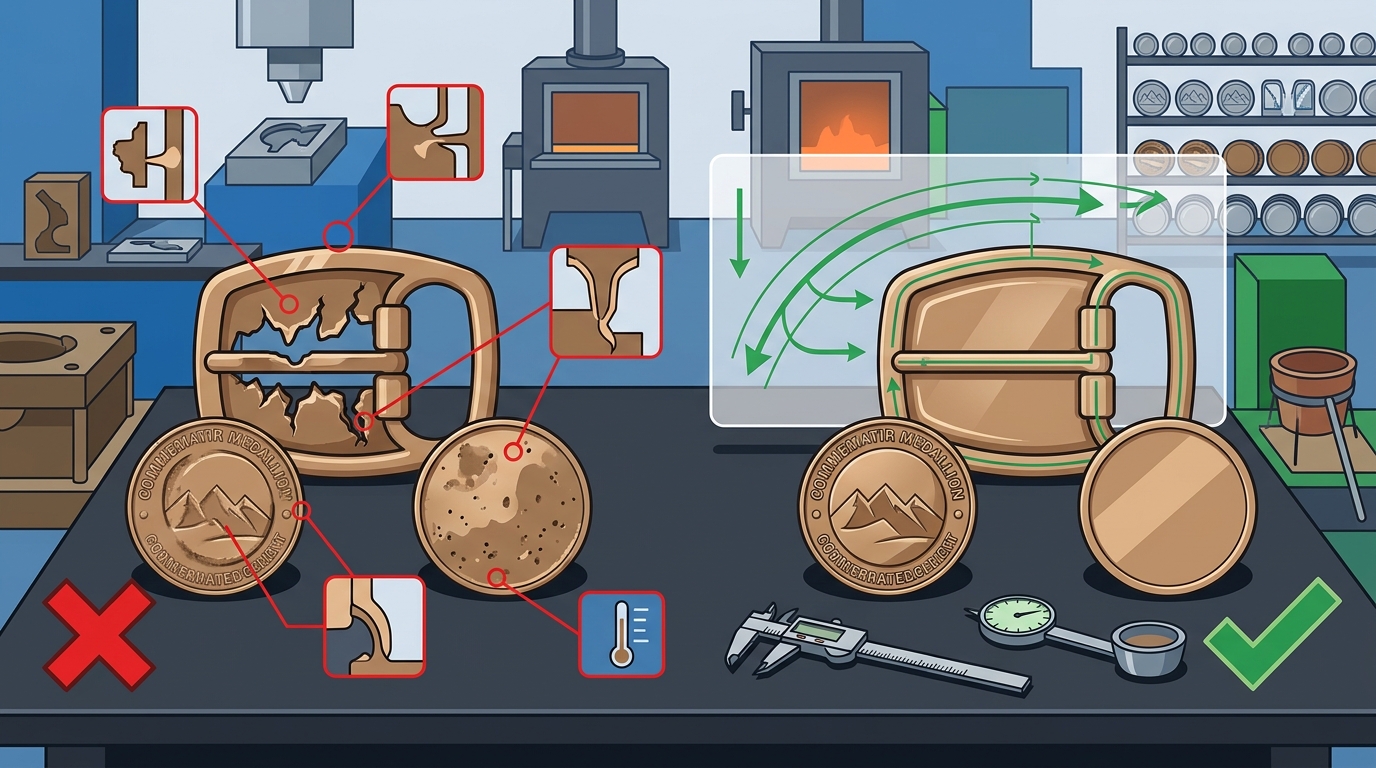
One of the most frequent mistakes clients make is submitting designs that are not optimized for the casting process. Design for Manufacturing (DFM) is the practice of designing parts in a way that makes them easy to manufacture. Ignoring this principle leads to defects like shrinkage, porosity, and incomplete fills. When designing coins, buckles, or medallions, the thickness of the metal must be uniform to ensure even cooling. Uneven sections cool at different rates, causing internal stresses that can warp the final piece. (https mountainmedallion com faq)
Another critical aspect is the specification of tolerances. Requesting impossible tolerances for a casting process is a recipe for failure. Sand casting, for example, has natural variations due to the nature of the mold. If you require tight tolerances, you must specify post-casting machining or finishing processes. Mountain Medallion specializes in quality custom American-made castings, and our team reviews every design for manufacturability before production begins. This proactive approach helps avoid costly redesigns later in the process.
Furthermore, many clients overlook the importance of draft angles. Draft angles allow the pattern to be removed from the mold without damaging it. Without adequate draft, the mold may break during pattern removal, leading to defects in the casting. Ensuring your design includes appropriate draft angles is a simple step that significantly improves production efficiency and part quality.
Material Selection Errors
Selecting the wrong metal alloy is a common pitfall that affects both the aesthetic and functional properties of the final product. Different alloys have different melting points, fluidity, and shrinkage rates. For instance, bronze offers excellent corrosion resistance and a rich patina, making it ideal for outdoor medallions. However, it may not be the best choice for high-stress mechanical components. Aluminum is lightweight and cost-effective but may lack the durability required for heavy-duty buckles.
Understanding the specific requirements of your application is crucial. If you are creating lapel pins, the material must be durable enough to withstand daily wear while maintaining a fine finish. Bronze and brass are popular choices for this application due to their ability to hold fine details. Consulting with experts like those at Mountain Medallion can help you choose the right material for your specific needs. Their expertise ensures that the material selected aligns with both your design vision and functional requirements.
Additionally, consider the environmental impact of your material choice. Sustainable sourcing and recycling practices are becoming increasingly important in manufacturing. Many foundries, including Mountain Medallion, prioritize American-made materials to reduce carbon footprints and support local economies. This not only benefits the environment but also ensures higher quality control standards.
Communication Gaps with Foundries
Clear communication is the backbone of any successful manufacturing partnership. Many projects fail because clients do not provide sufficient detail in their initial requests. Vague descriptions of the desired finish, color, or texture can lead to significant misunderstandings. For example, a "antique finish" can mean vastly different things to different people. Providing reference images or physical samples helps clarify your expectations.
Another common issue is the lack of a detailed timeline. Rushing a project can compromise quality. Custom metal casting involves multiple steps, including design, pattern making, molding, casting, and finishing. Each step requires time to ensure precision. Mountain Medallion offers an instant estimate tool to help clients understand the scope and timeline of their projects. This transparency allows for better planning and avoids last-minute rushes that can lead to errors.
Regular updates and feedback loops are also essential. Establishing a point of contact within the foundry ensures that any questions or concerns are addressed promptly. Mountain Medallion encourages clients to use their contact form for detailed inquiries, ensuring that all project specifics are documented and reviewed by the appropriate team members. This structured communication channel helps maintain alignment throughout the production process.
Cost Miscalculations and Hidden Fees
Underestimating the total cost of a custom casting project is a frequent mistake. Clients often focus solely on the price of the raw material and labor, ignoring other critical costs. Tooling fees, pattern making, and finishing processes can add significant expenses to the final bill. Additionally, shipping and handling costs for heavy metal items can be substantial.
It is important to request a detailed quote that breaks down all costs. Mountain Medallion provides transparent pricing to help clients understand the full scope of their investment. By understanding the cost drivers, you can make informed decisions about material choices and production volumes. For example, increasing the order quantity can often reduce the per-unit cost due to economies of scale.
Another hidden cost is the potential for rework. If the initial cast does not meet specifications, the cost of correcting the error can be high. Investing in thorough quality control during the initial production run can save money in the long run. Mountain Medallion's commitment to quality ensures that each piece meets the highest standards, reducing the likelihood of costly rework.
Quality Control and Inspection Failures
Neglecting quality control is a critical error that can lead to customer dissatisfaction and brand damage. Many clients assume that the foundry will handle all quality checks, but it is essential to define your own inspection criteria. This includes specifying acceptable levels of surface finish, dimensional accuracy, and material composition.
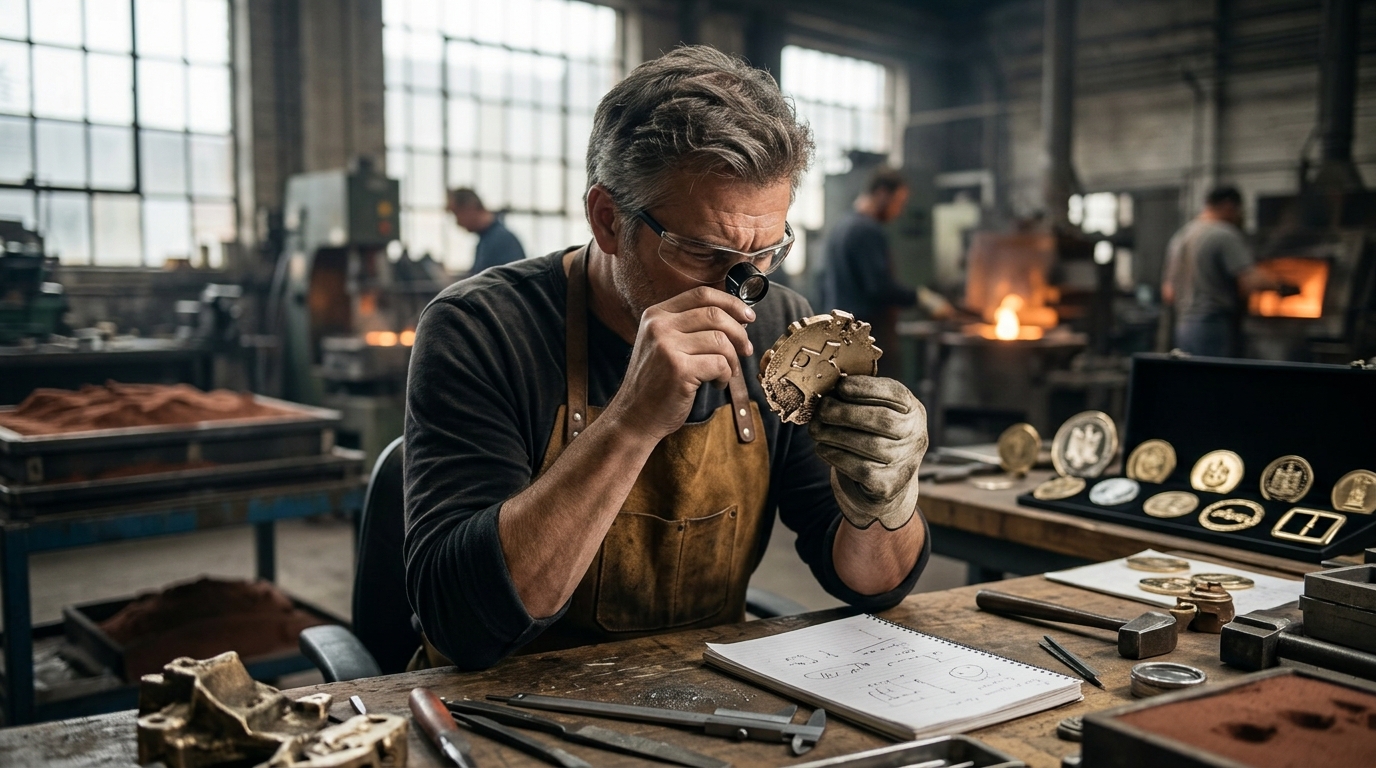
Implementing a robust quality control process involves multiple stages. First, inspect the pattern and mold for accuracy. Second, examine the casting for defects such as cracks, porosity, or inclusions. Finally, verify the dimensions and finish against the original design specifications. Mountain Medallion employs rigorous quality control measures to ensure that every custom piece meets client expectations. Their dedication to precision is evident in their long-standing reputation for quality.
Documentation is also a key part of quality control. Keeping detailed records of each production step allows for traceability and accountability. This is particularly important for industries with strict regulatory requirements, such as aerospace or medical devices. By maintaining comprehensive records, you can demonstrate compliance and ensure consistent quality across production runs.
Comparing Casting Options
Choosing the right casting method is vital for the success of your project. Different methods offer varying levels of detail, surface finish, and cost efficiency. The table below summarizes the key characteristics of common casting methods used in the industry.
| Method | Best For | Detail Level | Cost Efficiency | Lead Time |
|---|---|---|---|---|
| Sand Casting | Large, complex shapes | Medium | High | Medium |
| Investment Casting | High detail, smooth finish | High | Medium | Long |
| Die Casting | High volume, thin walls | High | High (at volume) | Short (after tooling) |
| Lost Foam Casting | Complex geometries | Medium | Medium | Medium |
For custom medallions and lapel pins, investment casting is often preferred due to its ability to capture fine details. However, for larger items like buckles, sand casting may be more cost-effective. Understanding these differences helps in selecting the most appropriate method for your specific needs. Mountain Medallion's expertise in various casting techniques allows them to recommend the best approach for each unique project.
Key Takeaways
- Design for Manufacturing: Always optimize your designs for the casting process to avoid defects like shrinkage and warping.
- Material Matters: Choose alloys based on functional requirements, not just aesthetics. Bronze and brass are ideal for detailed jewelry and pins.
- Clear Communication: Provide detailed specifications and reference images to prevent misunderstandings with the foundry.
- Transparent Pricing: Request detailed quotes that include tooling, finishing, and shipping costs to avoid budget overruns.
- Rigorous QC: Define your own inspection criteria and maintain detailed records for traceability and compliance.
- Expert Partnership: Work with established foundries like Mountain Medallion, who have been providing quality custom American-made castings since 1999.
- Proactive Planning: Use tools like instant estimates to plan timelines and budgets effectively, ensuring a smooth production process.
Frequently Asked Questions
What is the difference between sand casting and investment casting?
Sand casting uses a sand mold and is suitable for larger, less complex parts with medium detail. Investment casting uses a wax pattern and ceramic shell, offering high detail and smooth finishes, making it ideal for intricate designs like medallions and lapel pins.
How do I choose the right metal alloy for my custom project?
Consider the functional requirements such as strength, corrosion resistance, and weight. For jewelry and decorative items, bronze and brass are popular due to their aesthetic appeal and durability. Consult with experts at Mountain Medallion for specific recommendations based on your project needs.
What are the common defects in custom metal casting?
Common defects include porosity, shrinkage, cracks, and incomplete fills. These are often caused by design errors, improper material selection, or poor casting techniques. Proper design optimization and quality control can minimize these risks.
How long does it take to produce custom metal castings?
Lead times vary depending on the complexity of the design, the casting method, and the order quantity. Mountain Medallion provides instant estimates to help you plan your timeline effectively. Generally, smaller orders may take a few weeks, while larger or more complex projects may take longer.
Can Mountain Medallion help with design optimization?
Yes, Mountain Medallion specializes in quality custom American-made castings and offers design services to help optimize your designs for manufacturing. Their team reviews designs for manufacturability to ensure the best possible outcome.
What is the minimum order quantity for custom castings?
Minimum order quantities can vary based on the casting method and material. Mountain Medallion works with clients to determine feasible quantities that meet their budget and production goals. Contact them for specific details regarding your project.
How does Mountain Medallion ensure quality control?
Mountain Medallion employs rigorous quality control measures at every stage of production, from pattern making to final inspection. Their commitment to precision and quality has earned them a reputation for excellence in the industry.
Start Your Custom Casting Project Today
Avoiding these common pitfalls requires careful planning, clear communication, and a trusted partner. Mountain Medallion has been providing quality custom American-made castings since 1999, helping clients bring their designs to life with precision craftsmanship. Whether you need coins, buckles, medallions, or lapel pins, their team is ready to assist you. Visit Mountain Medallion's Contact Page to get a quote on your next custom project. You can also explore their Design Services to learn how they can help optimize your designs. For more insights, check out their Customer Experience page. Ready for an instant estimate? Tap below to start your journey with Mountain Medallion.