
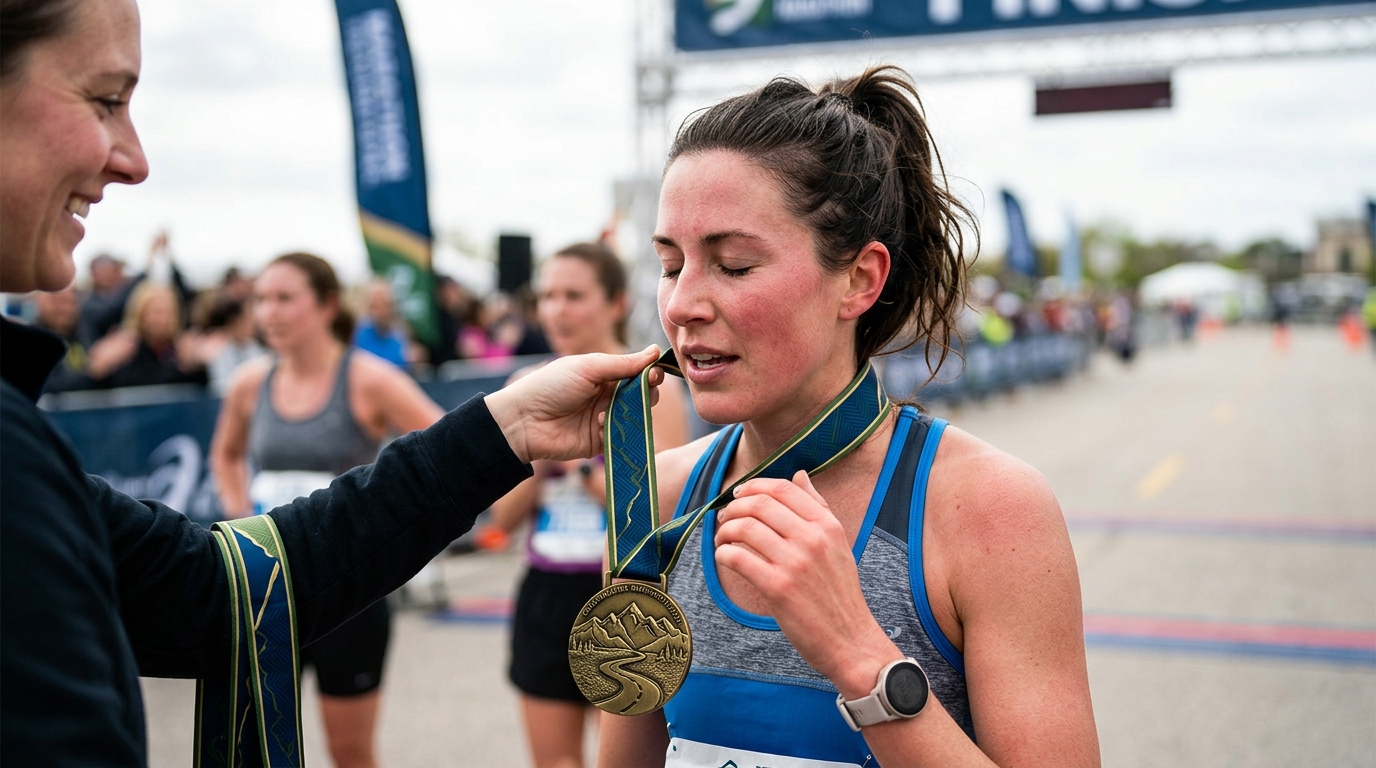
Organizing a successful running event requires meticulous attention to detail, from route planning to participant logistics. One of the most critical components that defines the finisher experience is the custom race medal. According to industry data, custom castings have become the standard for high-quality event memorabilia, with over 90% of major marathon organizers now opting for bespoke designs rather than generic stock items. This shift reflects a broader trend where participants expect tangible, high-value rewards that reflect the prestige of their achievement.
Understanding the Manufacturing Process
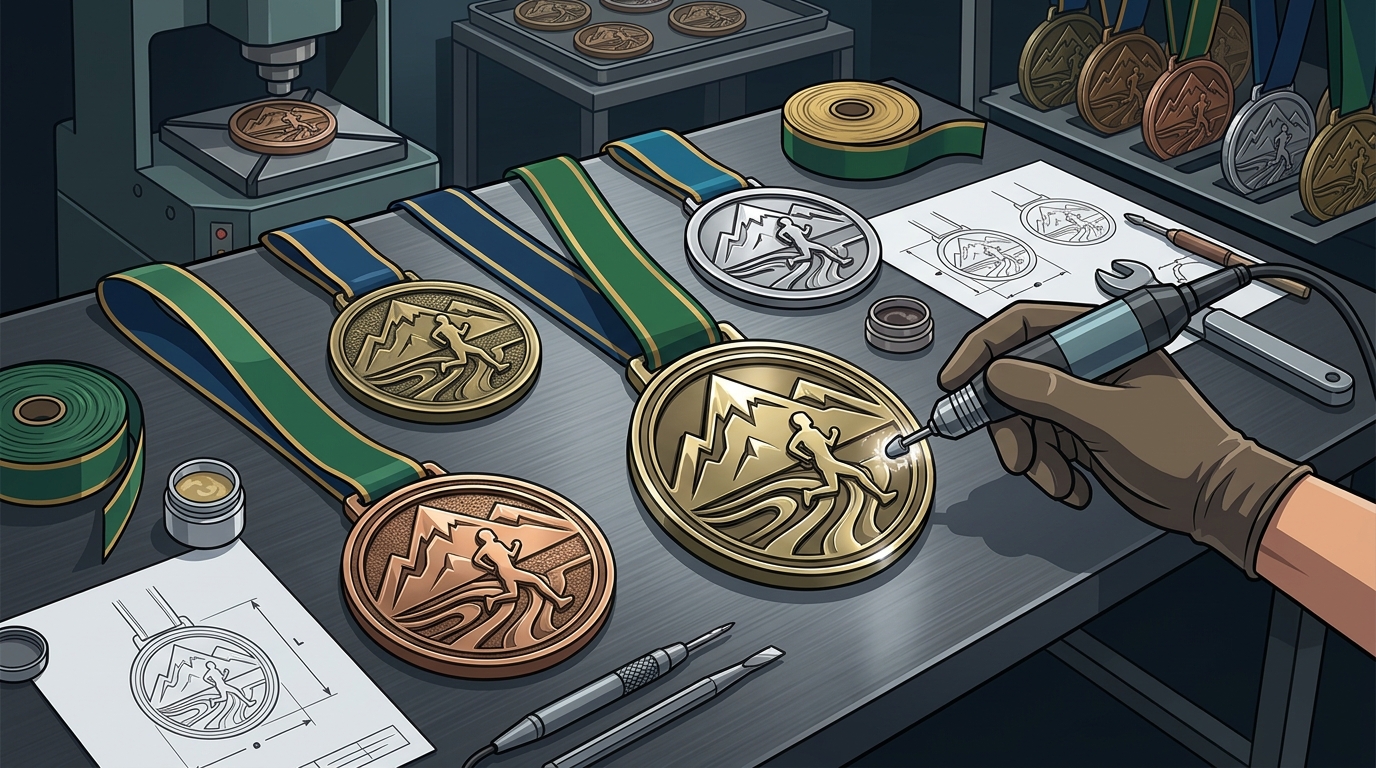
The journey from a digital concept to a physical medal begins with a specialized technique known as die casting. Die casting is a metal casting process that involves forcing molten metal under high pressure into a mold cavity. This method allows for intricate details and consistent quality across thousands of units, which is essential for large-scale events like marathons.
Mountain Medallion specializes in quality custom American-made castings, ensuring that every piece meets rigorous standards for durability and aesthetic appeal. The process starts with the creation of a master die, which serves as the negative impression of the final design. This die is then used to stamp or cast the metal, creating the base shape of the medal. For events requiring complex shapes or raised details, the casting process provides the necessary depth and dimension that stamping cannot achieve.
The precision of this method ensures that logos, text, and graphic elements are sharp and clear. Participants can appreciate the fine details of their medal, from the texture of the ribbon attachment points to the subtle gradients in the finish. This level of craftsmanship elevates the perceived value of the award, making it a cherished keepsake long after the race is over.
Materials and Finishes for Durability
Selecting the right material is crucial for both the look and feel of the medal. The most common materials used in the industry include zinc alloy, bronze, and brass. Each material offers distinct advantages depending on the event's budget and branding goals.
Zinc alloy is a popular choice for its affordability and ability to hold fine details. It is lightweight yet durable, making it ideal for 5Ks and 10Ks where weight might be a consideration for participants. For larger events like marathons, organizers often prefer bronze or brass for their heavier, more substantial feel. These metals convey a sense of prestige and tradition, aligning with the historical significance of long-distance running.
The finish applied to the medal further enhances its visual impact. Common finishes include antique, polished, and matte. An antique finish adds depth by darkening the recessed areas, highlighting the raised details. A polished finish provides a bright, reflective surface that catches the light, while a matte finish offers a modern, understated elegance. The choice of finish should complement the event's theme and the overall branding strategy.
Design Services and Prototyping
Creating a custom medal requires a collaborative approach between the event organizer and the manufacturer. Many manufacturers, including Mountain Medallion design services, offer professional design assistance to help bring concepts to life. This service is invaluable for organizers who may not have in-house graphic design expertise.
The design process typically begins with a brief that outlines the event's theme, target audience, and specific requirements. Designers then create digital mockups, which are reviewed and refined until the final design is approved. Once the design is finalized, a physical prototype is produced to ensure that the dimensions, details, and finishes meet the organizer's expectations.
Prototyping is a critical step that allows organizers to evaluate the medal's quality before committing to full-scale production. It helps identify any potential issues with the design, such as overly thin details that might break during casting or finishes that do not translate well to the chosen material. By addressing these issues early, organizers can avoid costly delays and ensure a successful launch.
Production Timelines and Logistics
Timing is everything in event planning. Custom race medals require adequate lead time for design, prototyping, and production. Typically, the process takes between 8 to 12 weeks from initial concept to delivery. This timeline allows for multiple rounds of revisions and ensures that the medals are ready well before the event date.
Organizers should plan their medal orders at least three to four months in advance. This buffer accounts for any unexpected delays in the design or production phases. Additionally, it provides time for shipping and distribution to race day locations. Contract sales options may be available for large orders, offering streamlined procurement processes and dedicated account management.
Logistics also involve coordinating the delivery of medals to race day venues. Organizers must ensure that the medals are stored securely and distributed efficiently to participants. Working with a manufacturer that offers reliable shipping and tracking services can simplify this process and reduce the risk of lost or damaged items.
Comparing Manufacturing Options
Event organizers have several options when it comes to producing custom race medals. The choice depends on factors such as budget, quantity, and desired quality. Below is a comparison of the primary manufacturing methods.
| Method | Best For | Pros | Cons |
|---|---|---|---|
| Die Casting | High-detail, complex shapes | Excellent detail, durable, consistent quality | Higher upfront cost for dies, longer lead time |
| Stamping | Simple designs, large quantities | Lower cost, faster production | Limited detail, thinner profile |
| Soft Enamel | Vibrant colors, textured look | Cost-effective, colorful | Less durable, flat surface |
| Hard Enamel | Premium feel, smooth finish | Durable, glossy finish, high perceived value | Higher cost, longer production time |
For most 5Ks and marathons, die casting combined with hard enamel or antique finishes offers the best balance of quality and cost. This combination allows for intricate designs that stand out while maintaining a premium feel. Organizers should consult with their manufacturer to determine the most suitable method for their specific needs.
Key Takeaways
- Customization is Key: Bespoke medals significantly enhance participant satisfaction and brand perception compared to generic alternatives.
- Material Matters: Zinc alloy offers affordability and detail, while bronze and brass provide a heavier, more prestigious feel.
- Lead Time: Plan for 8 to 12 weeks from design to delivery to avoid last-minute stress.
- Design Support: Utilize manufacturer design services to ensure professional-quality artwork and accurate prototyping.
- Quality Control: Always request a physical prototype to verify details and finishes before full production.
- Brand Alignment: Choose finishes and materials that align with your event's theme and target audience.
- Domestic Production: Opting for American-made castings can reduce shipping times and support local manufacturing.
Frequently Asked Questions
How long does it take to produce custom race medals?
Production typically takes 8 to 12 weeks, including design, prototyping, and manufacturing. Early planning is essential to ensure timely delivery.
What is the minimum order quantity for custom medals?
Minimum order quantities vary by manufacturer but often start around 100 units. Mountain Medallion products can be tailored to fit various event sizes.
Can I get a sample before placing a large order?
Yes, most reputable manufacturers offer a physical prototype or sample for approval. This ensures that the final product meets your expectations.
What materials are best for marathon medals?
Bronze and brass are popular for marathons due to their weight and premium feel. Zinc alloy is also a viable option for those seeking a lighter, cost-effective alternative.
How do I choose the right ribbon for my medal?
The ribbon should complement the medal's design and colors. Consider the event's branding and the comfort of the participants when selecting the ribbon material and width.
Are custom medals durable enough for daily wear?
Yes, high-quality custom medals are designed to be durable. Proper care, such as avoiding exposure to harsh chemicals, will help maintain their appearance over time.
What is the difference between die casting and stamping?
Die casting involves molding molten metal into a mold, allowing for complex shapes and details. Stamping presses metal sheets into shape, which is faster and cheaper but limits design complexity.
Start Your Project
Creating a memorable race medal is an investment in your event's success. By partnering with a trusted manufacturer like Mountain Medallion, you ensure that your participants receive a high-quality, lasting tribute to their achievement. Contact us today to discuss your project and receive a personalized quote.