
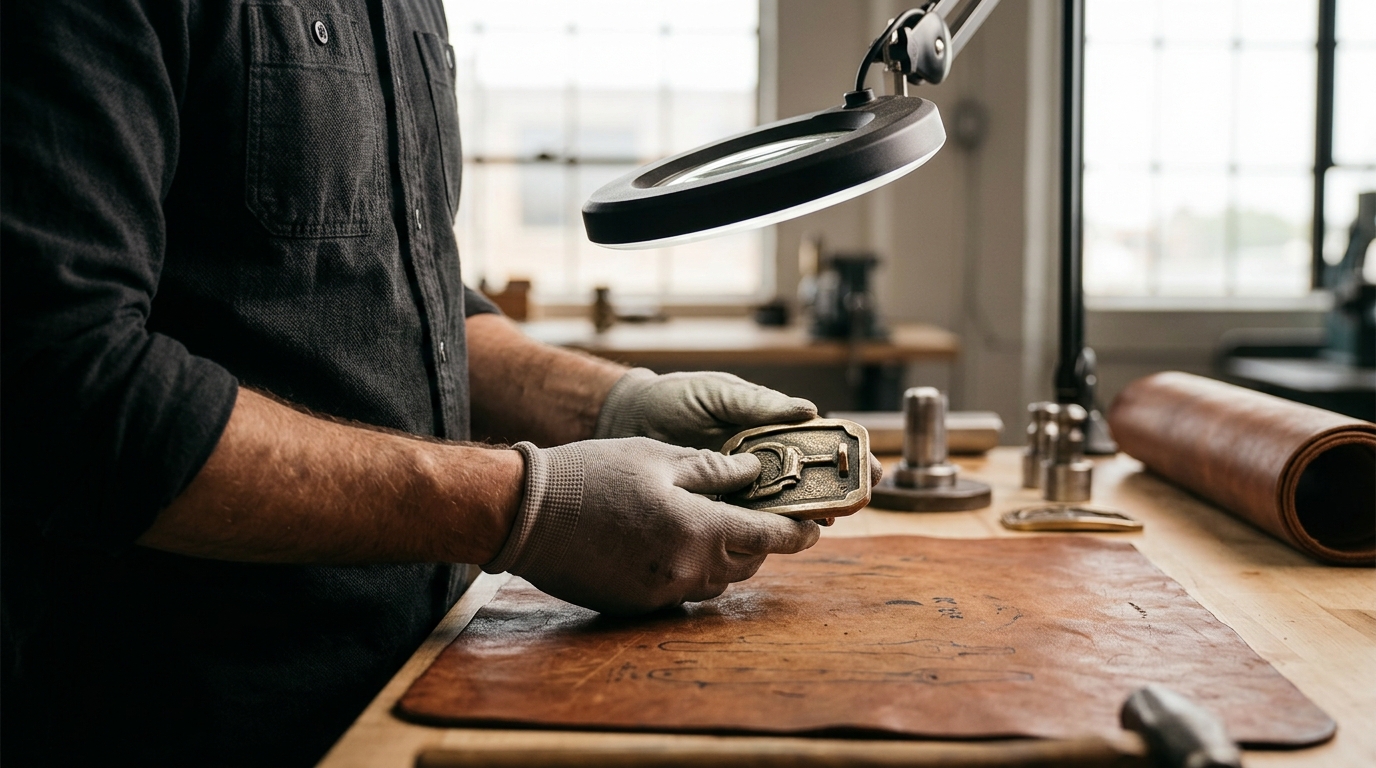
Essential Standards and Specifications for Quality Custom American-Made Belt Buckles
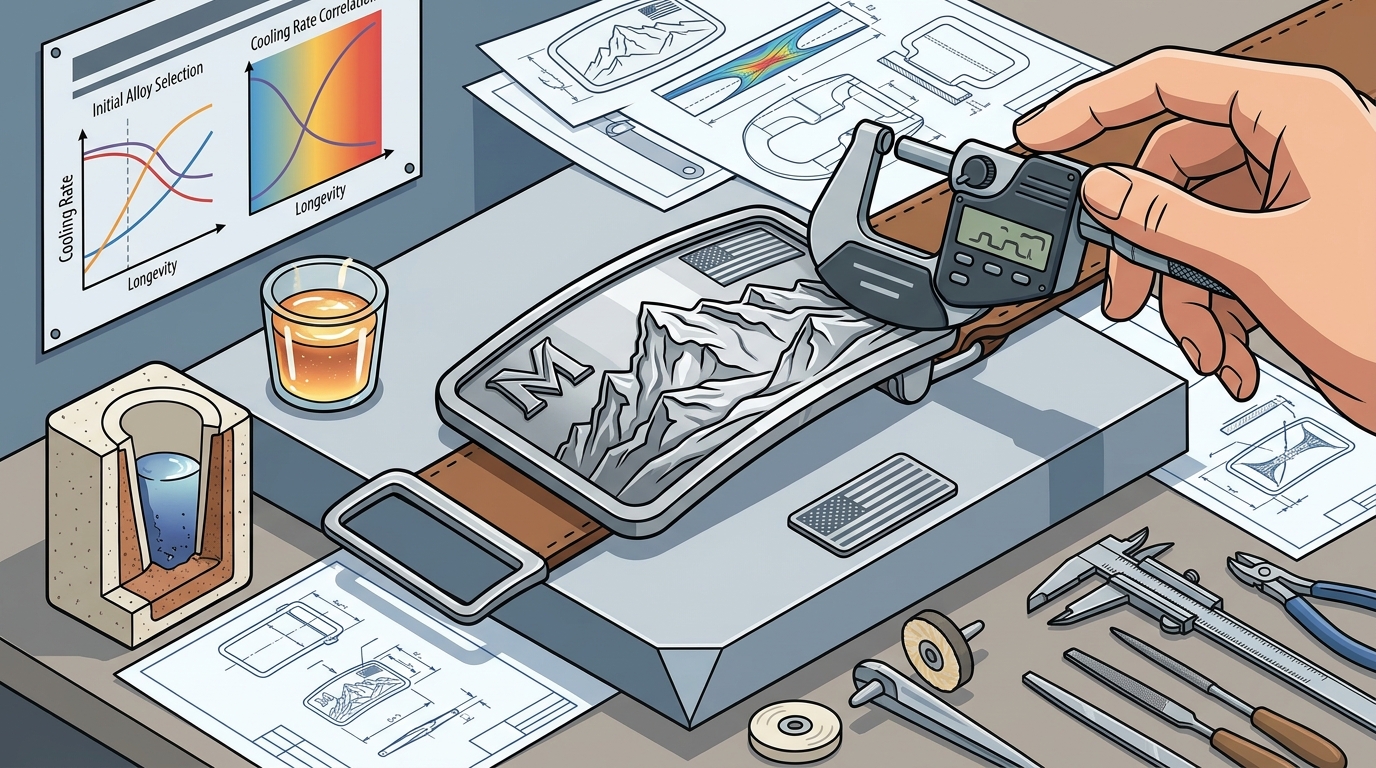
Custom metal casting is a precision discipline that demands strict adherence to material science and geometric tolerances. According to industry data on metal fabrication, the longevity of a cast metal product is directly correlated with the initial alloy selection and the cooling rate during the mold phase. This guide outlines the critical engineering standards required to produce belt buckles that withstand daily wear while maintaining high-fidelity design details. (https mountainmedallion com customer)
Material Selection and Alloy Properties
The foundation of any premium belt buckle lies in the raw material. Mountain Medallion specializes in quality custom American-made castings, which necessitates the use of domestic alloys that meet rigorous tensile strength and corrosion resistance standards. The two primary materials used in high-end custom buckles are brass and bronze. (https mountainmedallion com customer)
Brass is an alloy of copper and zinc. It is chosen for its excellent machinability and its ability to take a high-polish finish. Brass buckles are often plated with gold, nickel, or antique finishes to achieve specific aesthetic goals. The zinc content allows for easier casting into fine details, making it ideal for intricate logo work. (https mountainmedallion com faq)
Bronze is an alloy of copper and tin. It is significantly harder and more durable than brass. Bronze buckles are preferred for heavy-duty applications because they resist deformation under stress. The natural patina that develops on bronze over time is often considered a feature rather than a defect, adding character to the piece.
When selecting a material, consider the intended use. For fashion-forward accessories, brass offers superior plating adhesion. For tactical or outdoor gear, bronze provides the necessary structural integrity. Both materials are sourced from reputable American suppliers to ensure consistency in grain structure and chemical composition.
The Investment Casting Workflow
Investment casting, also known as lost-wax casting, is the industry standard for producing complex metal geometries. This process allows for the creation of buckles with sharp edges, deep relief, and fine text that other manufacturing methods cannot replicate.
The process begins with the creation of a wax prototype. This wax model is an exact replica of the final metal buckle. The wax is then attached to a sprue system, which acts as the channel for molten metal to flow into the mold. The assembly is encased in a ceramic shell, which is fired to melt out the wax, leaving a hollow cavity.
Molten metal is poured into the ceramic shell. Once the metal cools and solidifies, the ceramic shell is broken away to reveal the raw metal casting. This stage is critical because any air bubbles or impurities in the metal will be visible in the final product. Mountain Medallion utilizes advanced degassing techniques to minimize porosity, ensuring a dense, high-quality cast.
The final step in the casting phase is the removal of the sprue. The individual buckles are cut from the metal tree and prepared for finishing. This stage requires precision to avoid damaging the delicate details of the design.
Design Specifications for Castability
Not all designs are suitable for casting. To ensure a successful production run, designers must adhere to specific geometric constraints. These standards prevent defects such as shrinkage cavities, cold shuts, and incomplete fills.
Minimum Wall Thickness: The thinnest part of the buckle should be at least 1.5 millimeters. Thinner walls may not fill completely during the casting process, leading to incomplete features. For brass, slightly thinner walls can be achieved due to its lower melting point, but structural integrity must be maintained.
Draft Angles: While investment casting does not require the same draft angles as injection molding, slight tapers on vertical surfaces help the wax pattern release from the mold without damage. A draft angle of 1 to 2 degrees is recommended for complex geometries.
Corner Radii: Sharp internal corners create stress concentrations that can lead to cracking during cooling or in service. All internal corners should have a radius of at least 0.5 millimeters. This simple adjustment significantly extends the lifespan of the buckle.
Understanding these specifications allows designers to create buckles that are not only visually stunning but also manufacturable at scale. Mountain Medallion provides design consultation to help clients optimize their artwork for casting efficiency.
Surface Finishing and Plating Standards
The raw cast buckle is just the beginning. The finishing process transforms the metal into a premium product. This stage involves cleaning, polishing, and applying protective or decorative coatings.
Polishing: Buckles are polished using progressively finer abrasives to achieve the desired luster. A mirror finish requires extensive hand polishing, while a satin finish can be achieved through mechanical tumbling. The choice of finish affects the final cost and lead time.
Plating: Electroplating adds a layer of metal to the surface of the buckle. Common plating options include gold, silver, nickel, and antique bronze. The thickness of the plating is measured in microns. A standard decorative plating is 0.5 microns, while a heavy-duty plating for high-wear items is 2.5 microns or more.
Protective Coatings: To prevent tarnishing and corrosion, a clear lacquer or wax coating is often applied. This is especially important for brass buckles, which can oxidize when exposed to moisture and skin oils. The lacquer must be compatible with the plating to avoid chemical reactions that cause discoloration.
Quality control at this stage is vital. Every buckle is inspected for plating defects, such as pits, burns, or uneven coverage. Any imperfections are corrected before the product is shipped.
Quality Control and Inspection Metrics
Ensuring consistency across a production run requires rigorous quality control protocols. Mountain Medallion employs multiple inspection points throughout the manufacturing process to guarantee that every buckle meets the client's specifications.
Dimensional Accuracy: Critical dimensions are measured using calipers and micrometers. The tolerance for custom cast buckles is typically plus or minus 0.1 millimeters. This ensures that the buckle fits properly on the belt loops and hardware.
Visual Inspection: Each buckle is visually inspected under magnification for surface defects. This includes checking for porosity, inclusions, and casting flashes. Any buckle that does not meet the visual standard is rejected or reworked.
Material Verification: Periodic chemical analysis is performed on the raw alloys to verify their composition. This ensures that the brass or bronze meets the specified standards for copper, zinc, and tin content. Consistent material composition is essential for predictable casting behavior and final product performance.
These quality control measures protect the client's brand reputation by ensuring that every piece of custom hardware is flawless.
Material Comparison Matrix
Choosing the right material is a critical decision. The following table compares the key properties of brass and bronze for belt buckle applications.
| Property | Brass | Bronze |
|---|---|---|
| Primary Composition | Copper and Zinc | Copper and Tin |
| Hardness | Medium | High |
| Corrosion Resistance | Good | Excellent |
| Plating Adhesion | Superior | Good |
| Typical Use Case | Fashion and Decorative | Tactical and Outdoor |
| Cost Factor | Lower | Higher |
Key Takeaways
- Material Choice: Brass is ideal for plating and detail, while bronze offers superior durability for heavy use.
- Wall Thickness: Maintain a minimum wall thickness of 1.5mm to prevent casting defects.
- Corner Radii: Use internal radii of at least 0.5mm to reduce stress concentrations.
- Plating Thickness: Specify heavy-duty plating (2.5+ microns) for high-wear applications.
- Quality Control: Dimensional tolerance is typically plus or minus 0.1mm for custom castings.
- Design Consultation: Engage with foundry experts early to optimize designs for manufacturability.
- Domestic Sourcing: Using American-made alloys ensures consistent quality and supply chain reliability.
Frequently Asked Questions
What is the minimum order quantity for custom belt buckles?
Mountain Medallion accommodates a wide range of order sizes, from small batches for startups to large volumes for established brands. Contact us for a quote on your specific quantity requirements.
How long does the custom casting process take?
Lead times vary depending on the complexity of the design and the order volume. Typically, the process from design approval to shipment takes 4 to 6 weeks. Rush services may be available for urgent projects.
Can you replicate an existing buckle design?
Yes, we can reverse-engineer existing buckles to create new molds. However, we recommend creating a new design to avoid intellectual property issues and to optimize the part for modern manufacturing techniques.
What types of finishes are available?
We offer a variety of finishes including high polish, satin, antique, and black oxide. Plating options include gold, silver, nickel, and custom colors. The choice of finish depends on the base material and the desired aesthetic.
Do you provide 3D modeling services?
Yes, our design services include 3D modeling and prototyping. We work closely with clients to ensure the digital model translates perfectly into the final metal casting.
How do I prepare my artwork for casting?
Artwork should be provided in vector format (AI, EPS, or PDF) with clear specifications for depth and detail. Our team will review your artwork and provide feedback on castability before production begins.
What is the difference between brass and bronze?
Brass is an alloy of copper and zinc, known for its gold-like appearance and ease of plating. Bronze is an alloy of copper and tin, known for its strength and corrosion resistance. The choice depends on the functional and aesthetic requirements of the buckle.
Start Your Custom Project
Ready to bring your buckle design to life? Mountain Medallion offers expert guidance from concept to completion. Visit our Design Services page to learn more about our capabilities. For a personalized quote, please use our Contact Form or call us at 801.318.3726. We look forward to helping you create high-quality custom hardware.